
Qatar Signals Progress in US-Iran War Talks
Qatar's foreign ministry said mediators including Qatar, Pakistan, and Oman have reached "very progressive stages" in efforts to end the US-Iran war, pushing Brent crude down more than four percent.
Key Takeaways
July 8, 2026 · 4 min read · By Rishabh Bhardwaj
·
AI-assisted, human-reviewed · Our editorial standards
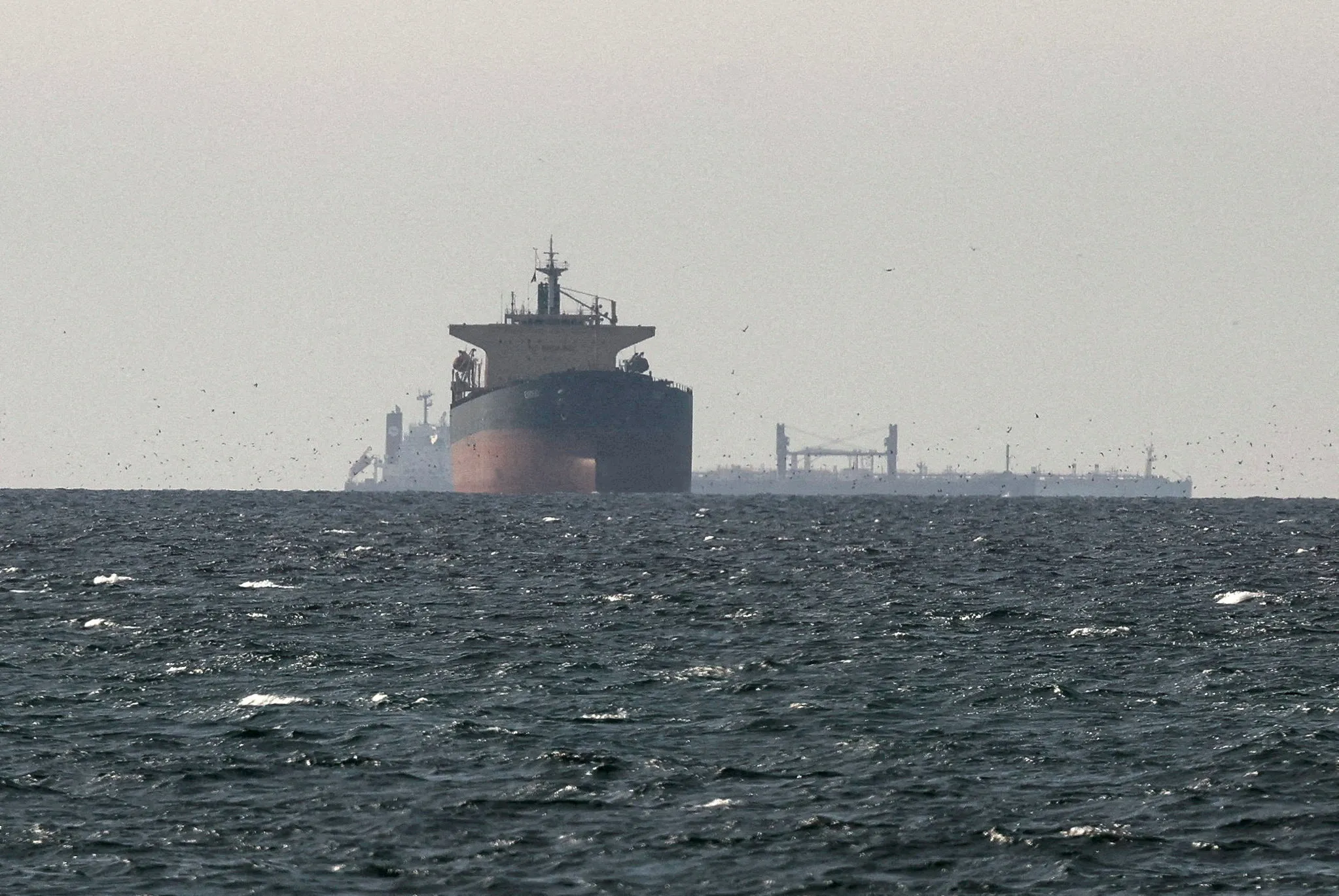
Iran's ambassador to China has confirmed that new transit fees will be charged to vessels passing through the Strait of Hormuz, while promising that countries Iran considers friendly will receive preferential treatment. The announcement comes despite direct opposition from the United States, which regards the move as an illegal and destabilizing precedent.
The Strait of Hormuz is the world's most critical oil chokepoint. Roughly one-fifth of global oil supply passes through the narrow waterway between Iran and Oman each day. Any policy that threatens or complicates transit through Hormuz carries immediate price implications for crude markets and downstream energy costs worldwide.
Iran's envoy in Beijing did not specify the fee structure, the legal framework under which charges would be levied, or a start date. What he did clarify is that the policy will not be applied uniformly. Countries that Tehran regards as friendly, a category that appears to include China, Russia, and potentially others aligned with Iran diplomatically, will receive what he called "special" treatment. Countries in a less favorable category, implicitly including the US and its allies, would presumably face the full charge or less favorable terms.
The distinction between friendly and unfriendly transits is the most commercially significant detail here. Shipping companies and their insurers operate global fleets and do not always control which cargo, flag, or ownership chain is viewed favorably by Tehran. A vessel flagged in a neutral country but owned by a Western firm, or carrying oil bound for a US ally, could find itself classified unfavorably. That uncertainty alone tends to push up war-risk insurance premiums for the entire strait, not just for vessels from disfavored nations.
Under international law, the Strait of Hormuz is subject to the right of transit passage, a principle enshrined in the United Nations Convention on the Law of the Sea. This means all ships, military and commercial, are entitled to pass through international straits without interference. Iran has historically contested aspects of this framework and is not a signatory to UNCLOS. The US objection is grounded in this legal dispute, arguing that unilateral fees violate transit passage rights that underpin the global shipping order.
Iran's decision to communicate this policy through its ambassador in Beijing is itself a signal. It reinforces the China-Iran relationship as a strategic anchor for Tehran's economic and diplomatic posture, particularly as Iran remains under broad US and European sanctions. China is Iran's largest oil buyer, and Beijing has an obvious interest in securing favorable transit terms for tankers carrying Iranian crude westward through Hormuz or for other Chinese-chartered vessels in the region.
Several things will determine how disruptive this policy becomes in practice. First, whether Iran publishes a formal fee schedule or legal instrument, without one, enforcement is unpredictable and the threat is partly a signaling tool rather than an operational reality. Second, how major shipping insurers respond: a re-rating of Hormuz transit risk would ripple immediately into freight rates and oil prices regardless of whether Iran actually stops any ships. Third, whether Gulf states, particularly those like the UAE and Saudi Arabia whose own exports transit Hormuz, push back diplomatically or begin accelerating bypass infrastructure such as pipelines that avoid the strait entirely.
For energy markets, the story is worth watching even before any fees are actually collected. Iran has used Hormuz as leverage before, including repeated threats to close the strait during periods of peak tension with the US. A fee regime is a more durable and incremental form of that leverage, one that is harder for the US Navy to deter than an outright blockade threat. If other strait-adjacent states follow with similar logic, the broader principle of free transit passage, a cornerstone of modern global trade, faces a slow but material erosion.
Qatar's foreign ministry said mediators including Qatar, Pakistan, and Oman have reached "very progressive stages" in efforts to end the US-Iran war, pushing Brent crude down more than four percent.
Qatar confirmed it is mediating between the US and Iran but said no direct talks are currently planned. The clarification follows conflicting statements from President Trump, who claimed talks are under way, and Tehran, which denied any dialogue is happening.
Saudi Aramco reported sharply higher second-quarter 2026 profits as the Iran war restricts global oil supply and pushes crude prices up. Other oil supermajors also posted outsized earnings, raising concerns about sustained fuel cost pressure for importing economies.
President Trump called current Iran negotiations the "last chance" to end five months of conflict, pushing oil prices higher. Tehran denied formal talks are taking place, raising the risk of a diplomatic breakdown with direct consequences for global energy markets.