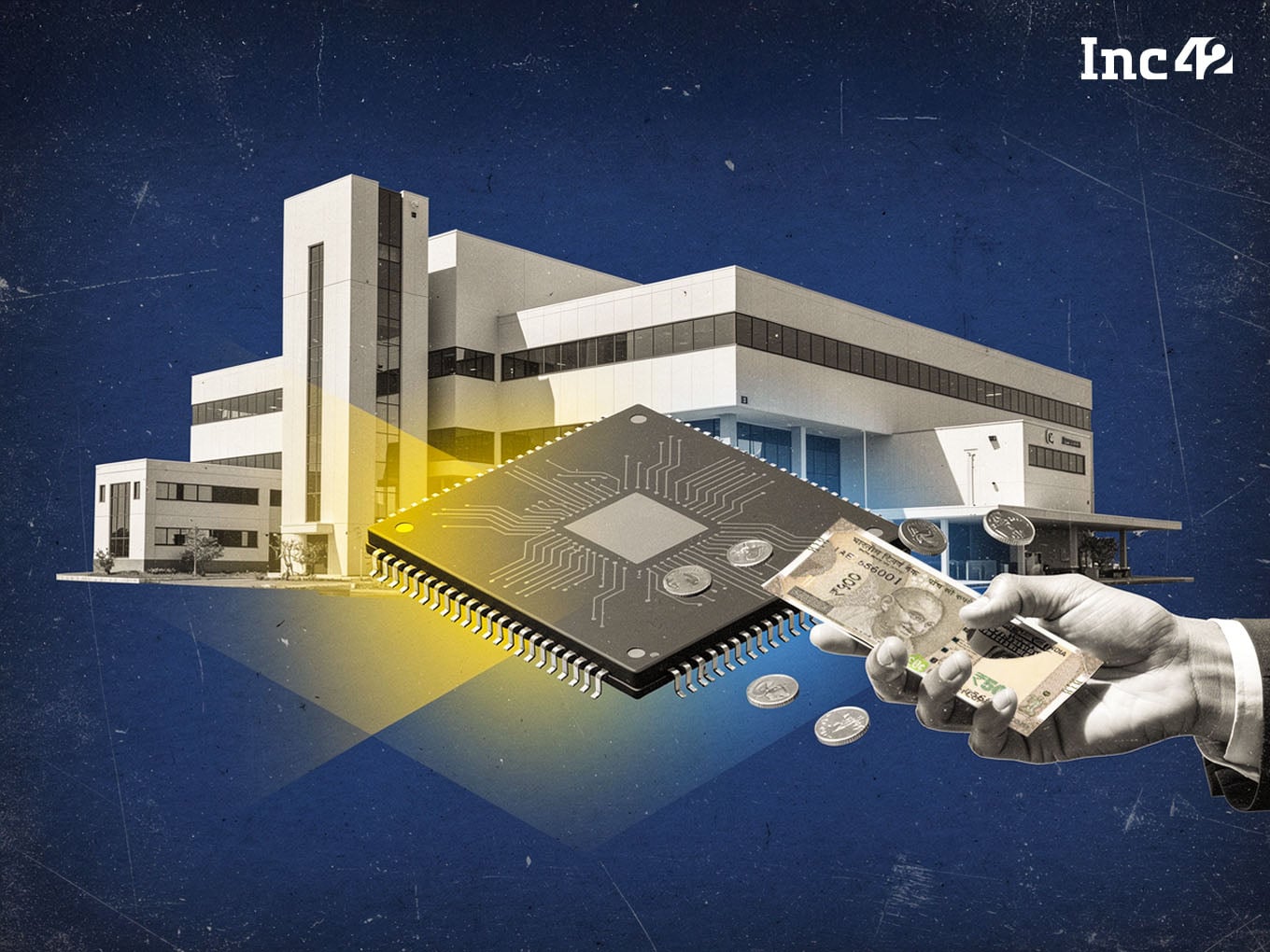
Marvell Commits $250 Mn to India Chip Expansion
Marvell Technology will invest $250 million in India over three years, doubling its workforce and expanding offices in Bengaluru and Hyderabad to advance AI and cloud chip design.
Key Takeaways
July 21, 2026 · 4 min read · By Rishabh Bhardwaj
·
AI-assisted, human-reviewed · Our editorial standards

OpenAI has built an AI system called GPT-Red that acts as an automated cyberattacker, probing its own models for weaknesses before real-world hackers can find them. The tool automates red-teaming, a type of security testing traditionally done by human experts whose job is to break a system as many ways as possible. By running this process continuously and at scale, OpenAI aims to stay ahead of the attackers rather than react after the fact.
Red-teaming has long been a standard practice in software security, but it is slow and expensive when done by humans. GPT-Red changes the economics. An AI tester can attempt thousands of attack angles far faster than a human team, and it never gets tired or misses a shift. The practical outcome is that OpenAI's other models get stress-tested more thoroughly before deployment, which matters as these systems handle more sensitive tasks across business and government.
The announcement positions OpenAI as both the builder of powerful AI and its own most aggressive critic, at least internally. Whether automated red-teaming catches the subtler, context-dependent vulnerabilities that human testers spot is a fair question the company has not fully answered yet.
In a separate story worth watching, heat pump sales in the United States have doubled over the past 15 years, according to a new industry report. More strikingly, heat pumps outpaced natural-gas furnace sales by 32 percent in the first quarter of 2026. These are not niche numbers. They suggest a genuine shift in how Americans heat and cool their homes.
The timing is notable because a key federal tax credit for heat pumps has just ended. That credit made the higher upfront cost of a heat pump easier to swallow for many buyers. Its expiry would normally be expected to cool demand, yet sales momentum has held. The likely explanation is that electricity prices in many regions and falling heat pump hardware costs have made the economics work without the subsidy. Heat pumps are also more efficient than gas furnaces, meaning lower running costs over time, which increasingly sells the product on its own.
For the energy sector and homebuilders, the trend signals that the transition away from fossil-fuel heating is happening through the market, not just through policy. Gas furnace manufacturers face a structural headwind that a lapsed tax credit alone will not reverse.
On the robotics front, a company called Prosper is building a humanoid robot named Alfie for use in homes, hospitals, and hotels. Founder Shariq Hashme says trustworthiness is the central design challenge, not just capability. Alfie relies partly on remote human operators, which raises real questions about privacy and whether people will accept a watched robot in their personal spaces. The honest answer is that no one knows yet, and that uncertainty is itself the story.
What to watch: GPT-Red's effectiveness will only be proven over time, as the gap between automated and human red-teaming closes or persists. On heat pumps, watch whether Q2 2026 sales data confirms the Q1 trend held after the tax credit ended. And Thinking Machines' Inkling entering the open-weight AI market adds competitive pressure on Meta's Llama series, the current Western benchmark in that category.
Marvell Technology will invest $250 million in India over three years, doubling its workforce and expanding offices in Bengaluru and Hyderabad to advance AI and cloud chip design.
Microsoft, Nvidia, SpaceX, and Palantir have joined the newly formed Open Secure AI Alliance alongside dozens of U.S. and European tech companies. The group aims to set shared AI security standards as fallout from a cyber attack on OpenAI pushes the industry toward coordinated defenses.
Skyroot Aerospace's Vikram-1 became India's first privately built rocket to reach orbit, making India only the third country after the US and China with a private orbital launch capability.
India has approved a ₹1.25 lakh crore ISM 2.0 that replaces the earlier grant-only model with a grant-plus-equity structure, co-investing alongside private venture capital in fabless chip design startups.