India to Restore UPI Merchant Fees, PhonePe Gains Most
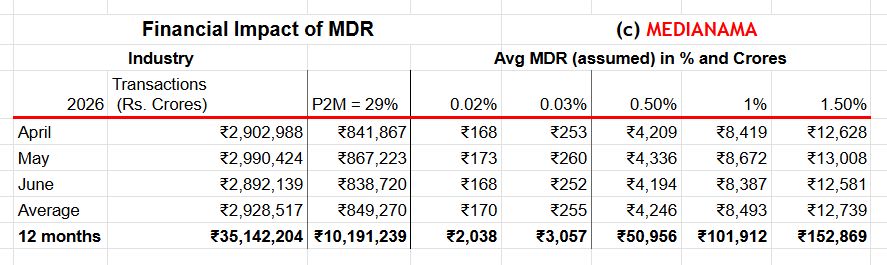
India's government plans to amend the Payment and Settlement Systems Act to restore UPI merchant discount rates, ending the zero-MDR regime in place since January 2020.
Key Takeaways
May 8, 2026 · 2 min read · By Rishabh Bhardwaj
·
AI-assisted, human-reviewed · Our editorial standards

India's Central Board of Direct Taxes (CBDT) has set a clear enforcement priority for FY27: recover dues from the top 10,000 arrear cases, which together account for Rs 2.57 lakh crore in outstanding tax demand.
This is not a broad-based crackdown. CBDT is concentrating firepower on a relatively small group of high-value cases where money is already owed but not collected. Arrear recovery, chasing tax already assessed and confirmed as due, is distinct from fresh scrutiny. It means the legal groundwork is largely done; the challenge is enforcement and collection.
Beyond chasing arrears, CBDT will also keep a close watch on top advance-tax payers. These are companies and high-earning individuals who pay tax in quarterly instalments during the financial year. Tracking them helps the department flag sudden drops in declared income or tax paid, which can signal underreporting.
The department will also look for misuse of exemptions and deductions, areas where taxpayers legally reduce their tax bill but may be stretching eligibility beyond what the law allows. This is a known pressure point in direct tax administration, particularly among large corporates and high-net-worth individuals who use sophisticated structures.
For businesses and individuals already in the arrear pool, the signal is clear: expect active follow-up rather than cases sitting idle. CBDT has historically struggled to convert large assessed demands into actual cash recovery, partly because of litigation and appeals. Concentrating on the top 10,000 cases suggests a triage approach, go where the money is largest.
The Rs 2.57 lakh crore figure is significant in the context of the government's fiscal math. Any meaningful recovery from this pool would directly support the Centre's revenue position without requiring new tax measures.
Watch for whether CBDT pairs this push with faster resolution of pending appeals, since many large arrear cases are tied up in tribunals and courts. Actual collections will depend heavily on how many of these demands survive legal challenge.
India's government plans to amend the Payment and Settlement Systems Act to restore UPI merchant discount rates, ending the zero-MDR regime in place since January 2020.
India's government has introduced the Taxation and Other Laws (Amendment) Bill, 2026, proposing changes to payments regulation, income tax, and the Finance Act to attract FDI and support Make in India. The Bill's final shape will depend on parliamentary debate and committee review.
The government's Taxation and Other Laws (Amendment) Bill, 2026, proposes to replace the blanket UPI MDR ban with a system allowing the Centre to notify which payment modes stay fee-free.
Prime Minister Narendra Modi inaugurated the Rs 5,000 crore Bhogapuram greenfield airport in Andhra Pradesh, built under a public-private partnership model. He also laid foundation stones for infrastructure projects worth nearly Rs 18,000 crore in the state, signalling a broad investment push for the region.