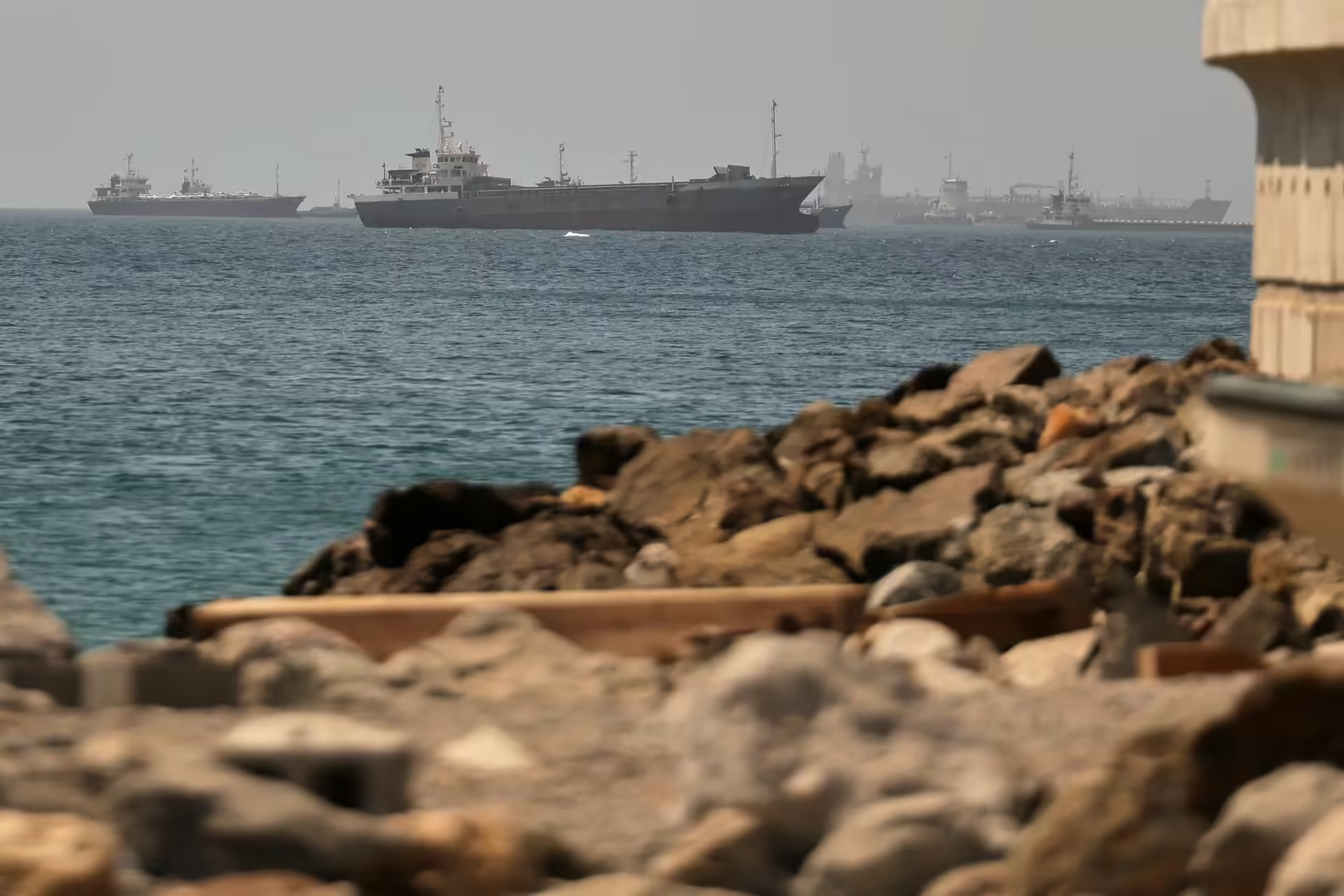
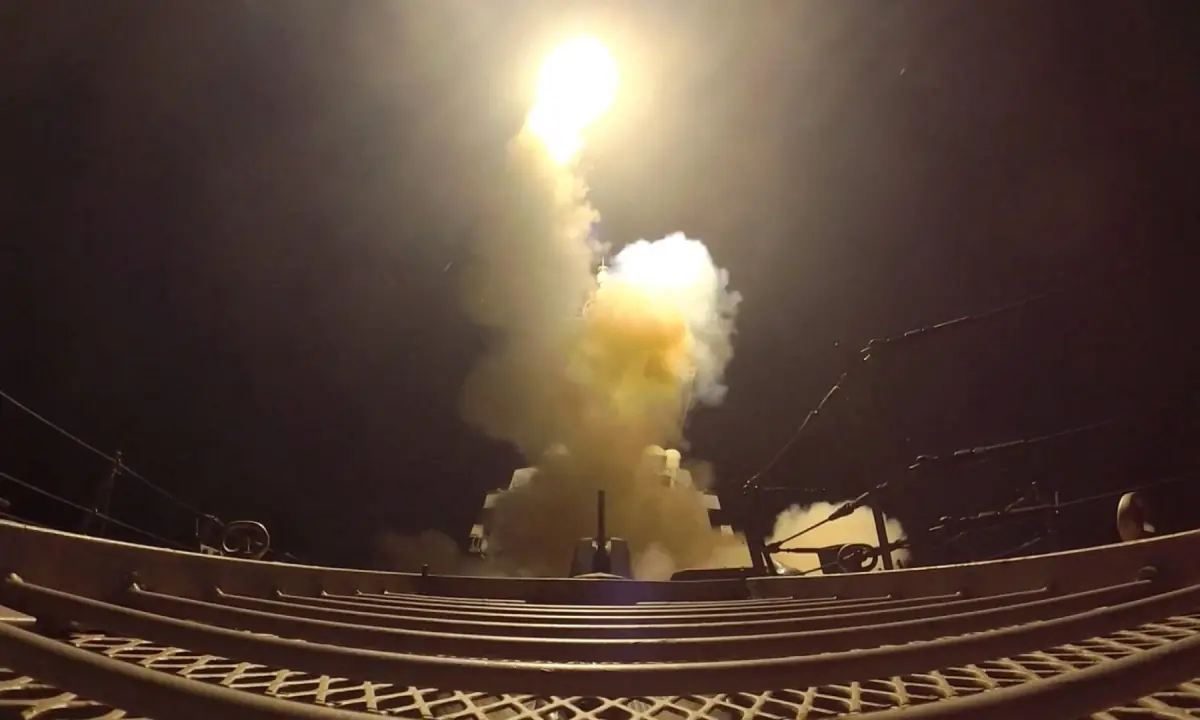
Ship traffic through the Strait of Hormuz, one of the world's most critical oil chokepoints, has gone dark. Following renewed exchanges of strikes between the United States and Iran, vessels are no longer broadcasting their positions as they pass through the strait. Instead, they are making what are being called "dark crossings," sailing with their automatic identification system transponders switched off to avoid detection.
The Strait of Hormuz carries roughly a fifth of the world's oil supply on any given day. When ships stop transmitting location data, insurers, port operators, and commodity traders lose visibility into exactly how much cargo is moving and where. That uncertainty alone is enough to move markets, even before any confirmed disruption to actual flow volumes.
Two competing claims on who controls the strait
The United States says shipping lanes through the strait remain open and free. Iran is telling a different story, demanding that vessels obtain transit permissions before passing through. These two positions are directly contradictory, and neither side has backed down. The practical result is that ship operators are caught between them, choosing to go silent rather than publicly align with either claim.
Transponder blackouts are not inherently illegal, but they are a strong signal of commercial and political stress. In normal conditions, the vast majority of commercial vessels keep their transponders on continuously. A mass switch-off in a waterway this consequential tells markets that operators see real risk, even if the water itself has not been physically blocked.
Iran has a long history of using the strait as leverage. It sits at the narrowest point of the Persian Gulf exit, giving Tehran geographic control that no amount of US naval presence fully neutralises. The demand for transit permissions is a way of asserting sovereignty over international waters, a move that has no standing under the UN Convention on the Law of the Sea but carries practical weight when backed by military force.
What this means for energy markets and global supply chains
The immediate consequence is a sharp rise in perceived supply risk for oil and liquefied natural gas. Gulf producers including Saudi Arabia, the UAE, Kuwait, Iraq, and Qatar all rely on the strait as their primary export corridor. If dark crossings become the norm rather than an emergency workaround, the cost and complexity of moving cargo rises. Insurers will reprice war-risk premiums, raising operating costs for every tanker that transits the area.
Longer-term, a sustained standoff accelerates conversations about alternative routes. Saudi Arabia has a pipeline, the East-West Pipeline, that can move crude to Red Sea terminals, bypassing the strait entirely. But its capacity is a fraction of what moves through Hormuz on a typical day, and the Red Sea has its own security problems following recent Houthi activity in that waterway.
For Asian buyers, particularly in China, India, Japan, and South Korea, the Gulf is not optional. These countries import the majority of their oil from the region and have limited short-term alternatives. A prolonged disruption or even a persistent uncertainty premium on Gulf crude would feed directly into their import bills, industrial costs, and ultimately consumer prices.
The US military position is that freedom of navigation will be defended. But defending an open strait and forcing Iran to drop its permission demands are two different things. Ships can transit with naval escort, but that raises costs and signals fragility rather than normalcy. The dark crossing phenomenon suggests the commercial shipping world is not yet confident that the lane is genuinely safe, whatever official statements say.
Watch for any formal statement from major tanker operators or Gulf state energy ministries on revised routing or insurance arrangements. That would be the clearest sign that the disruption is moving from a temporary shock to a structural change in how Gulf oil reaches global markets.