India to Restore UPI Merchant Fees, PhonePe Gains Most
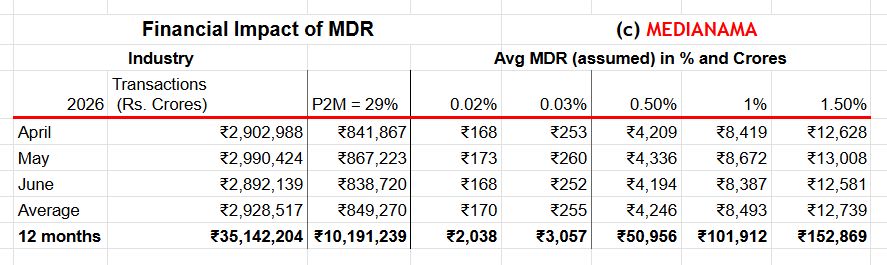
India's government plans to amend the Payment and Settlement Systems Act to restore UPI merchant discount rates, ending the zero-MDR regime in place since January 2020.
Key Takeaways
July 2, 2026 · 3 min read · By Rishabh Bhardwaj
·
AI-assisted, human-reviewed · Our editorial standards
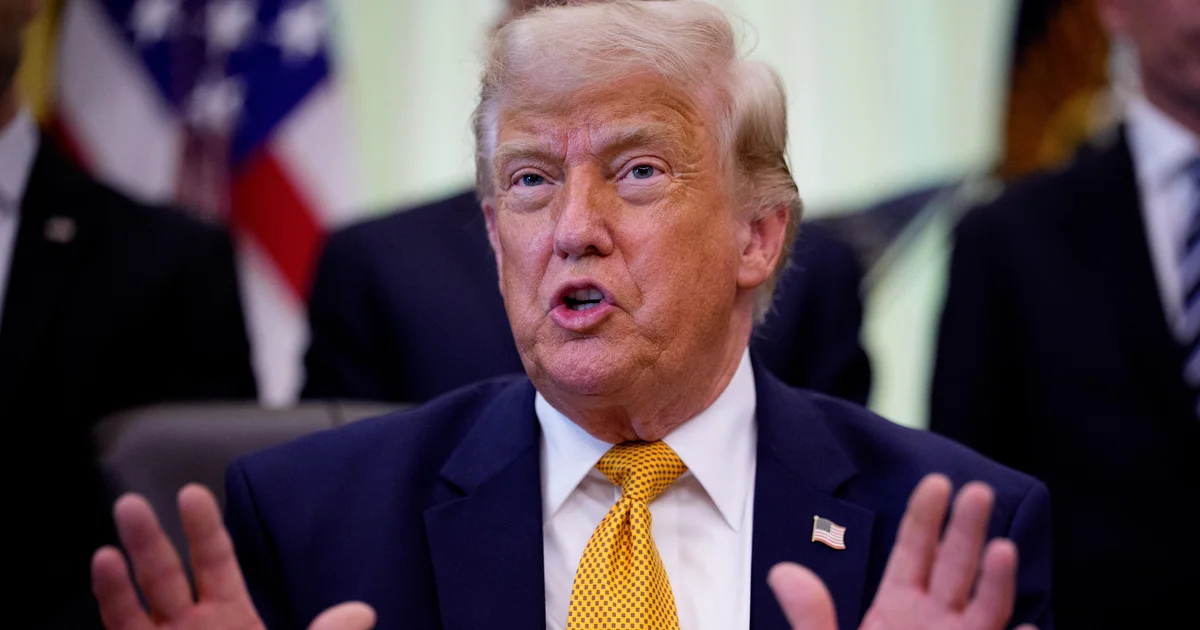
The U.S. Senate has passed a war powers resolution on Iran that already cleared the House, making it the first time such a measure has successfully moved through both chambers of Congress. The vote amounts to a formal legislative signal that a majority of lawmakers want to constrain executive military action toward Iran without congressional approval.
War powers resolutions are tools Congress uses to reassert its constitutional authority over military force. Under the 1973 War Powers Resolution, the president must notify Congress within 48 hours of deploying troops into hostilities, and Congress can vote to require withdrawal. Passing such a resolution through both chambers is a rare and significant procedural milestone, even when its practical effect depends on whether it becomes law.
Because this is a concurrent resolution rather than legislation, it does not require the president's signature to pass Congress, but it also carries no binding legal force on its own. The vote is best understood as a political statement: a bipartisan majority in both chambers is on record opposing unchecked executive military action against Iran. That public record matters for future debate, appropriations decisions, and any escalation scenario involving Iran.
The resolution's passage through both chambers is itself the historic element here. Previous Iran-related war powers efforts have stalled in one chamber or been vetoed at earlier stages. Getting both the House and Senate to agree on the same text reflects a level of cross-chamber coordination and political will that has not been achieved on this specific issue before.
The move comes amid continuing tension between the executive branch and Congress over who holds the authority to authorize military engagement. Presidents of both parties have long relied on broad readings of executive war powers, often citing existing authorizations for use of military force passed after the September 11 attacks. Critics in Congress argue those authorizations were never meant to cover Iran contingencies.
The resolution now faces the White House. President Trump is widely expected to veto the measure or otherwise resist its intent, given that the administration has consistently asserted broad executive authority over military decisions. A veto would require a two-thirds majority in both chambers to override, a threshold that is unlikely to be met based on current vote counts.
Even so, the political consequences extend beyond the immediate vote. Lawmakers who backed the resolution have created a documented position that could shape debate if U.S. military action involving Iran escalates. Appropriations committees, which control the actual funding for military operations, may face pressure to attach conditions to defense spending as a follow-on step.
For markets and investors tracking Middle East risk, the resolution signals that congressional opposition to unilateral Iran military action is now formally bipartisan and bicameral. That does not reduce near-term risk of executive action, but it does raise the political cost of any escalation and increases the likelihood of sustained legislative scrutiny going forward.
The broader geopolitical backdrop involves ongoing disputes over Iran's nuclear program and regional proxy activity. Congress has periodically attempted to use war powers tools to limit executive flexibility on Iran, but those efforts have consistently fallen short of this milestone. The current vote shifts the baseline for future confrontations between the legislative and executive branches on Iran policy.
India's government plans to amend the Payment and Settlement Systems Act to restore UPI merchant discount rates, ending the zero-MDR regime in place since January 2020.
India's government has introduced the Taxation and Other Laws (Amendment) Bill, 2026, proposing changes to payments regulation, income tax, and the Finance Act to attract FDI and support Make in India. The Bill's final shape will depend on parliamentary debate and committee review.
The government's Taxation and Other Laws (Amendment) Bill, 2026, proposes to replace the blanket UPI MDR ban with a system allowing the Centre to notify which payment modes stay fee-free.
Prime Minister Narendra Modi inaugurated the Rs 5,000 crore Bhogapuram greenfield airport in Andhra Pradesh, built under a public-private partnership model. He also laid foundation stones for infrastructure projects worth nearly Rs 18,000 crore in the state, signalling a broad investment push for the region.