India to Restore UPI Merchant Fees, PhonePe Gains Most
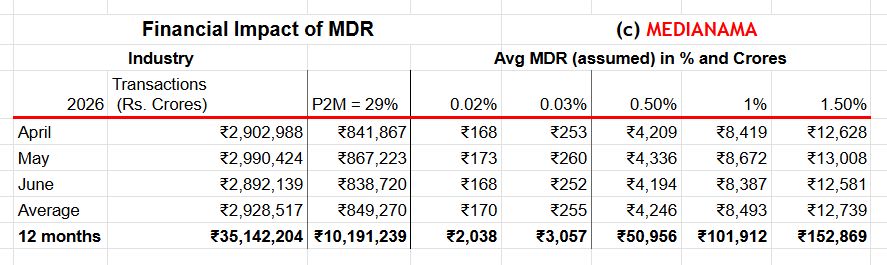
India's government plans to amend the Payment and Settlement Systems Act to restore UPI merchant discount rates, ending the zero-MDR regime in place since January 2020.
Key Takeaways
July 1, 2026 · 4 min read · By Rishabh Bhardwaj
·
AI-assisted, human-reviewed · Our editorial standards
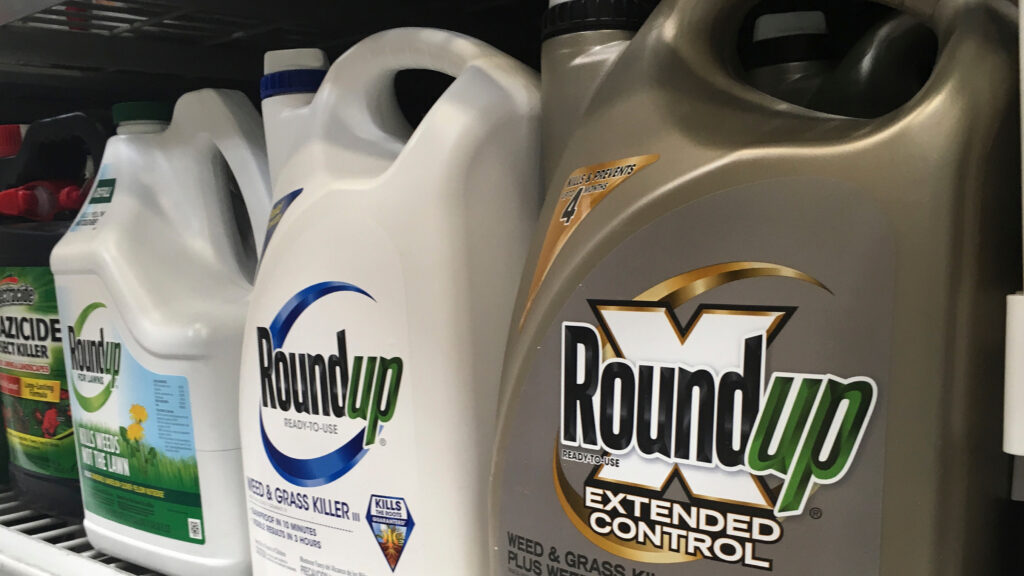
The U.S. Supreme Court has ruled in favor of Bayer, the German agrochemical giant that makes Roundup weedkiller, in a decision expected to block thousands of lawsuits claiming the company failed to warn consumers that the product could cause cancer.
The case centers on whether state-law failure-to-warn claims can proceed against Bayer when the U.S. Environmental Protection Agency has already reviewed and approved Roundup's labeling. Bayer argued that federal approval of the label should shield it from state-court liability. Plaintiffs argued the company should have gone further in warning users about cancer risk, regardless of what federal regulators approved.
The Supreme Court sided with Bayer, a ruling with wide practical reach. Roundup has been at the center of one of the largest mass-tort waves in U.S. legal history. Tens of thousands of plaintiffs alleged the product's active ingredient, glyphosate, caused their non-Hodgkin's lymphoma. Several juries had already delivered multibillion-dollar verdicts against Bayer before the justices took up the question.
Bayer inherited the Roundup liability when it acquired Monsanto, the product's original maker, in 2018. That deal, valued at roughly $63 billion at the time, almost immediately turned toxic. Lawsuits piled up, and Bayer set aside billions of dollars to settle claims. The litigation dragged on even after large settlement tranches, because new plaintiffs continued to file and some settlements fell apart or were rejected by courts.
The core legal question was a federal preemption argument: when a federal agency like the EPA has specifically evaluated and approved a product's warning label, do state courts have the authority to second-guess that decision by holding a company liable for not saying more? The Supreme Court's ruling answers that question in Bayer's favor, meaning plaintiffs can no longer use state failure-to-warn theories to pursue claims where the EPA has signed off on the label language.
The practical effect is significant. Cases already pending that rest on failure-to-warn grounds are now expected to be dismissed or become very difficult to advance. Bayer had faced an enormous ongoing financial exposure from the litigation pipeline, and this ruling removes a major pillar of plaintiff strategy.
For Bayer, the ruling could translate into a meaningful reduction in future legal costs and settlements. The company's stock and credit profile had been under sustained pressure from Roundup liability, and clearing the core legal theory from the table changes the risk calculus for investors and lenders.
The ruling also sets a broader precedent for how federal regulatory approval interacts with state tort law. Other manufacturers of EPA-regulated products, particularly pesticides and herbicides, could now invoke similar preemption defenses when sued under state law. That could shift leverage across a range of agricultural and chemical product litigation well beyond Roundup itself.
For plaintiffs and their attorneys, the ruling forecloses what had been the most successful path to recovery. Claims based on other legal theories may still be possible in some jurisdictions, but the failure-to-warn route, which drove the largest verdicts, is now blocked at the federal level.
The scientific debate over whether glyphosate causes cancer remains active. The EPA has maintained that glyphosate is not likely carcinogenic to humans when used as directed. The International Agency for Research on Cancer, part of the World Health Organization, classified it as probably carcinogenic in 2015. The Supreme Court ruling does not resolve that scientific dispute. It only determines which legal claims can be brought in court.
Roundup remains one of the most widely used herbicides in the world, especially in large-scale agriculture. The product's market position is unlikely to change as a direct result of the ruling. What changes is Bayer's legal exposure, and by extension, the scale of a litigation wave that had shaped corporate strategy and investor sentiment at the company for nearly a decade.
India's government plans to amend the Payment and Settlement Systems Act to restore UPI merchant discount rates, ending the zero-MDR regime in place since January 2020.
India's government has introduced the Taxation and Other Laws (Amendment) Bill, 2026, proposing changes to payments regulation, income tax, and the Finance Act to attract FDI and support Make in India. The Bill's final shape will depend on parliamentary debate and committee review.
The government's Taxation and Other Laws (Amendment) Bill, 2026, proposes to replace the blanket UPI MDR ban with a system allowing the Centre to notify which payment modes stay fee-free.
Prime Minister Narendra Modi inaugurated the Rs 5,000 crore Bhogapuram greenfield airport in Andhra Pradesh, built under a public-private partnership model. He also laid foundation stones for infrastructure projects worth nearly Rs 18,000 crore in the state, signalling a broad investment push for the region.