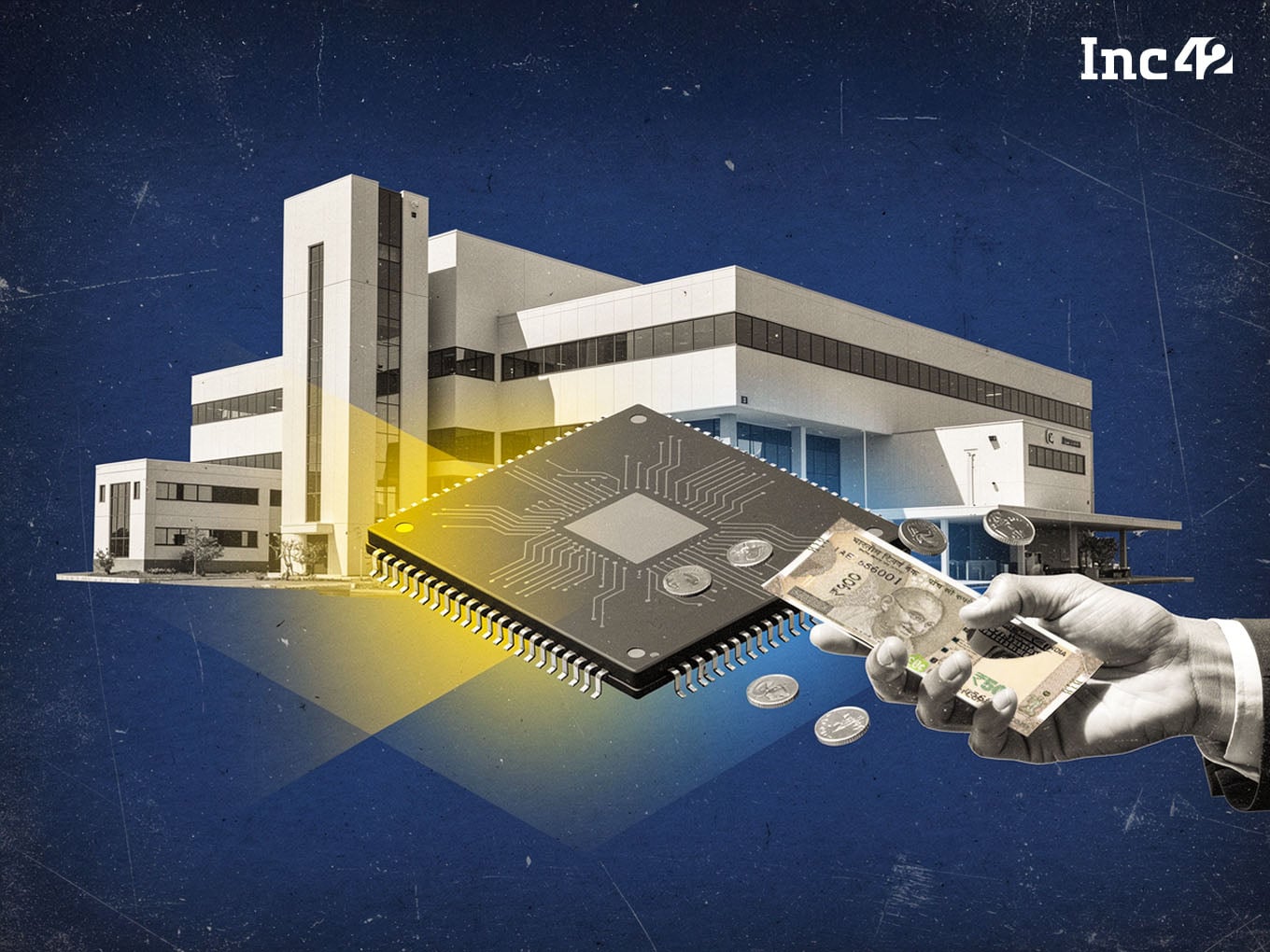
Marvell Technology, the Nasdaq-listed semiconductor firm, will invest $250 million in India over the next three years, doubling its workforce and expanding offices in Bengaluru and Hyderabad to deepen its AI chip and data infrastructure work.
The announcement positions India not as a back-office location but as a core engineering hub. Marvell entered the country twenty years ago with its first Bengaluru office. That operation has since grown into the company's second-largest R&D organisation globally, a scale that makes the new investment an expansion of proven capacity rather than a speculative bet.
The capital will fund two physical expansions: a new wing at the main Bengaluru campus and a wider footprint in Hyderabad. The workforce doubling plan means the India team will be among the most significant contributors to Marvell's global design and development pipeline for AI, cloud, and data infrastructure chips.
Why India, Why Now
Marvell's India head Navin Bishnoi framed the investment in strategic terms, describing India as a hub of engineering excellence that directly serves the world's leading hyperscalers and cloud providers. That framing matters: Marvell's customers include large cloud platforms that depend on custom silicon, and placing more design capacity in India links the country's engineering talent directly to the global AI infrastructure build-out.
The timing aligns with a broader industry shift. Geopolitical tension around semiconductor supply chains has pushed global chip companies to diversify where they design and build. India is emerging as a credible alternative, backed by a growing pool of engineering talent and, increasingly, government support. India's semiconductor market is projected to expand from $62 billion in 2026 to $155 billion by 2030, according to the India Semiconductor Uprising 2026 report.
Beyond the investment, Marvell also launched a scholarship programme called the Marvell Scholarship for Technical and Engineering Merit, or MSTEM. The scheme targets students in electronics, electrical engineering, and computer science. It has already received over 7,000 applications and selected 100 students from top universities, building a longer-term pipeline of engineering talent for the sector.
Policy Tailwinds and Startup Activity
Marvell's move arrives as India's semiconductor policy environment turns more supportive. The central government recently approved an outlay of Rs 1.28 lakh crore for the second phase of the India Semiconductor Mission, with funds directed at the chip design ecosystem. That level of public commitment gives multinationals like Marvell greater confidence that domestic infrastructure and incentives will keep pace with their investment plans.
Startup activity in the sector is also accelerating. C2i closed a $16.7 million Series A round backed by Peak XV Partners, TDK Ventures, and Yali Capital earlier this year. IISc-incubated Morphing Machines completed an Rs 80 crore Series A round. These smaller companies are building design and application capabilities that could eventually plug into the supply chains of larger players like Marvell.
For India's technology sector, the significance of this deal runs deeper than the dollar figure. A major semiconductor firm committing to double its engineering headcount here signals that India is moving up the chip value chain, from software services toward hardware design. Marvell's work on AI and cloud silicon sits at the high end of that chain, where margins and technical complexity are both greater.
The next signals to watch are the pace of hiring, whether other semiconductor multinationals follow with similar announcements, and how quickly the government's second-phase semiconductor mission disburses funds into the design ecosystem. If hiring ramps as planned and policy capital flows efficiently, India's profile as a chip design centre could shift materially before the end of this decade.