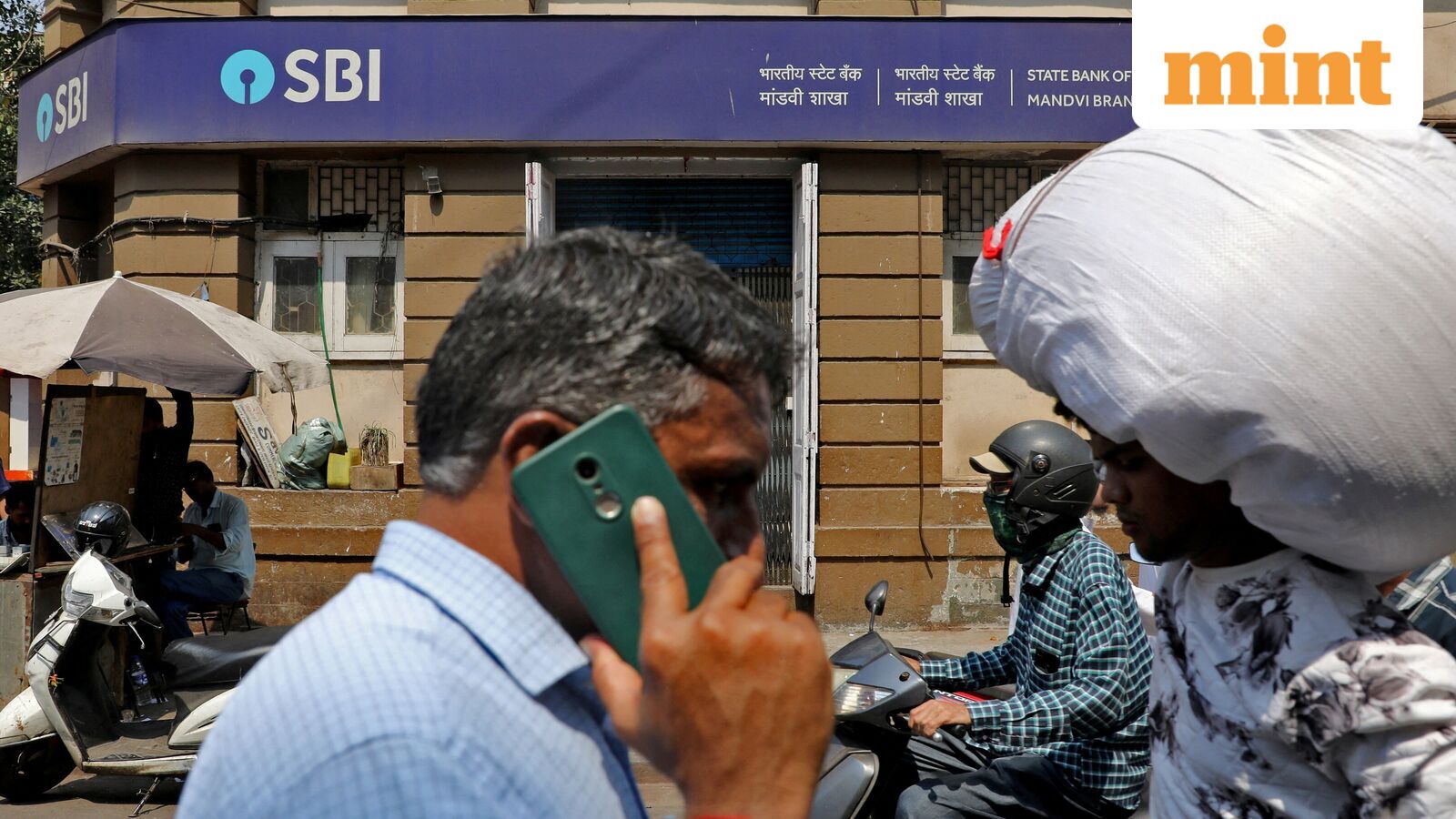
SBI Funds Management's initial public offering closed with a subscription of roughly 42 times, drawing bids for around 519 crore shares. The price band was set between Rs 545 and Rs 575 per share, and grey market pricing points to a potential listing around Rs 669, a premium of approximately 16.55 percent over the upper end of the issue price.
The scale of the response puts this among the more heavily subscribed IPOs of 2026. A 42x oversubscription means the company received demand for far more shares than it was offering, a signal that institutional and retail investors alike see meaningful value at the Rs 575 issue price.
What drove the demand
Qualified institutional buyers, typically large mutual funds, insurance companies, and foreign portfolio investors, led the subscription. QIB interest is often the most closely watched slice of any IPO because these investors conduct detailed due diligence before committing capital. Strong QIB participation signals broad conviction in the company's earnings outlook, not just retail enthusiasm.
SBI Funds Management is the asset management arm of State Bank of India, the country's largest public sector bank. That parentage matters: it gives the fund house a distribution network and a brand recognition that most private asset managers spend years building. India's mutual fund industry has grown rapidly over the past several years, with assets under management crossing new highs as retail investors increasingly move savings out of bank deposits and into market-linked products. SBI Funds Management sits at the centre of that structural shift.
Asset management is a high-margin, capital-light business. Revenue scales with assets under management rather than with headcount or physical infrastructure, which means profit margins tend to expand as the fund house grows. For investors evaluating the IPO, the core question is how fast AUM can compound from here and whether fee structures hold steady in a competitive market.
What the grey market premium signals
The grey market premium, often called GMP, reflects unofficial trading in IPO shares before they formally list on the exchange. A GMP implying a listing price of Rs 669 suggests that informal buyers are willing to pay about 16.55 percent above the Rs 575 issue price. Grey market pricing is not guaranteed and can shift sharply on listing day depending on broader market conditions, but a sustained double-digit premium usually indicates that demand did not evaporate after the subscription window closed.
For allottees who receive shares, the GMP offers an early read on potential listing gains. For those who missed the allotment, it sets a rough expectation for where the stock might open, though actual listing prices can diverge from GMP estimates in either direction.
The listing date has not been confirmed in available disclosures, but standard exchange timelines suggest shares would begin trading within a week of the closing date.
The broader context also matters. Indian equity markets have been broadly supportive in mid-2026, with domestic institutional flows remaining strong. A buoyant market backdrop lowers listing risk and tends to compress the gap between GMP expectations and actual opening prices.
For the asset management sector, a well-received SBI Funds Management IPO could renew investor interest in listed fund houses. Peers such as HDFC AMC and Nippon India Mutual Fund have long been the main public comparables; a new listing from the SBI stable adds another benchmark and may invite fresh valuation analysis across the group.
What to watch next: the actual listing price on debut day, whether the stock sustains its premium in early trading, and how management frames the growth roadmap for AUM in the post-listing period. Any guidance on fee rates or distribution expansion would help investors size the earnings trajectory from here.