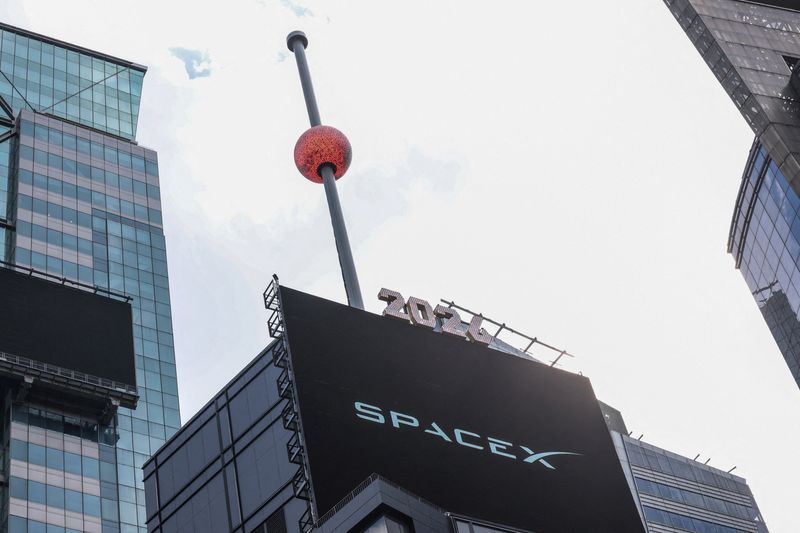
SpaceX shares have fallen below their IPO price for the first time, marking a sharp reversal after a blistering run-up that had made the private space company one of the most talked-about equity stories of recent months.
The drop is significant because SpaceX is not listed on a public stock exchange. Its shares trade on private secondary markets, where accredited investors and institutional buyers buy and sell stakes in the company outside the normal IPO process. Prices on these platforms can move quickly, often driven by sentiment and limited liquidity rather than the steady price discovery you get on public markets.
How the rally unraveled
The slide below the IPO reference price signals that demand from private market buyers has cooled enough to push valuations below the level at which early investors formally entered. That is a meaningful psychological threshold. For a company that had generated enormous excitement around its launch cadence, Starlink subscriber growth, and long-term ambitions in deep space, even a partial pullback in private market prices tends to reflect a broader shift in risk appetite among sophisticated investors.
Private secondary markets for pre-IPO and non-listed companies are thinly traded by nature. A relatively small number of transactions can set a price. When sentiment turns, the same thin liquidity that helped prices surge on the way up can accelerate declines on the way down, because there are fewer natural buyers to absorb selling pressure.
SpaceX has not commented publicly on secondary market trading in its shares, which is standard practice for private companies. The company has no obligation to disclose financial results, and its valuation at any given moment reflects whatever price private market participants agree on, not an audited book value or exchange-determined quote.
Why this matters beyond SpaceX
The retreat in SpaceX's private market price is worth watching as a broader signal. Over the past two years, private market valuations for high-profile technology and aerospace companies surged well ahead of public market comparables, driven partly by retail enthusiasm for space-related themes and partly by institutional appetite for exposure to companies that had not yet gone public.
When a flagship name like SpaceX gives back gains and dips below a widely referenced price level, it can prompt other private market participants to reassess valuations across similar assets. Funds that hold SpaceX on their books at elevated marks may face pressure to write down those positions, and some investors who entered near recent highs could face paper losses that affect their willingness to deploy capital elsewhere in the private market ecosystem.
For the broader private space sector, a cooling in SpaceX's secondary market price could dampen the premium that investors have been willing to pay for comparable companies without SpaceX's revenue scale or proven launch record.
The story also touches on a structural tension in private markets. Investors who bought SpaceX shares expecting to sell at a higher price to the next buyer, the so-called greater fool dynamic, now find fewer willing buyers at those prices. That is a normal and healthy correction mechanism, but it can be jarring when it hits a company that had seemed immune to gravity.
What to watch next: whether SpaceX stabilizes at current secondary market levels, whether any new funding round or tender offer sets a fresh reference price, and how other high-valuation private companies respond to the signal this sends about risk appetite in 2026.