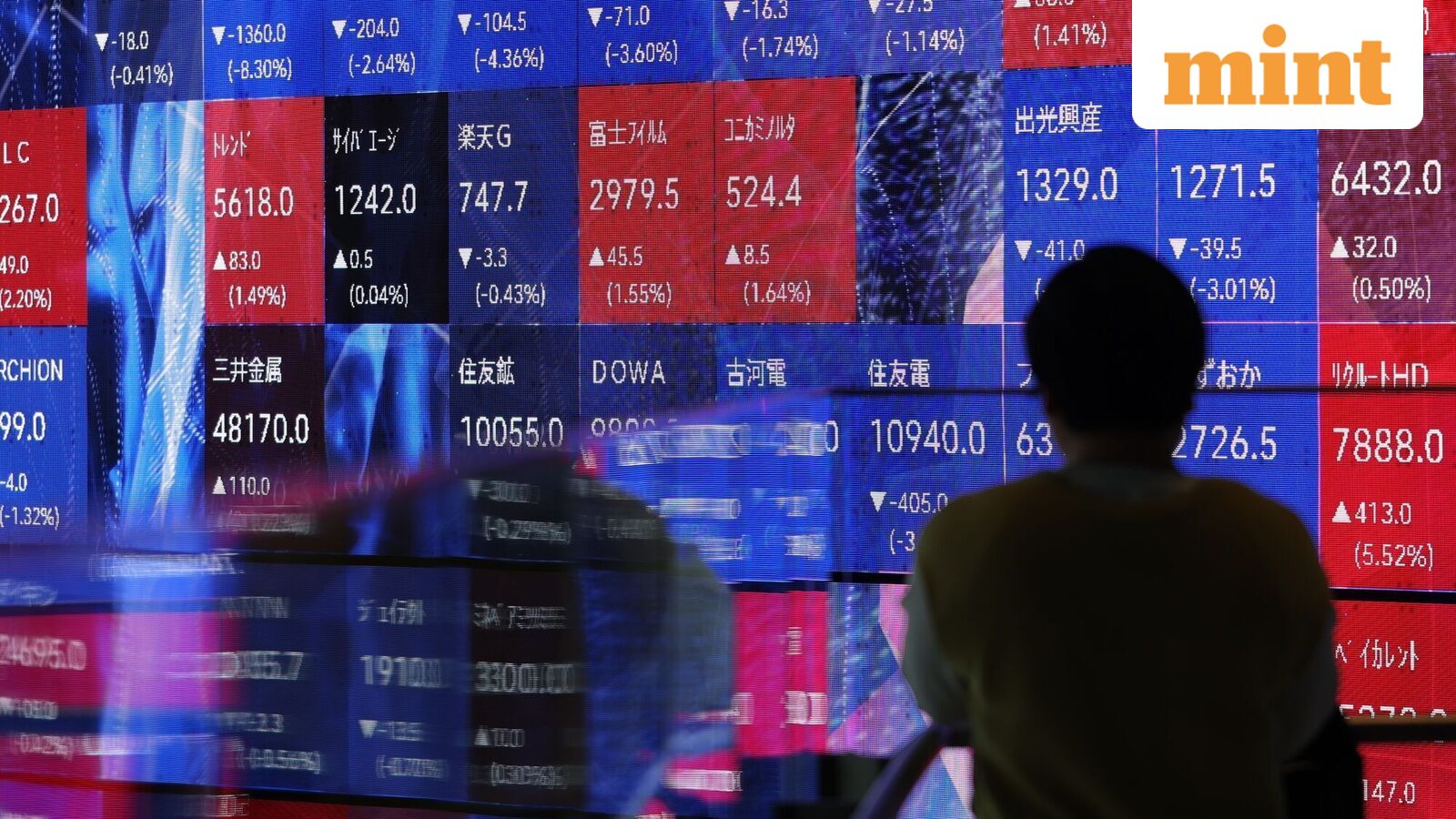
Asian equity markets fell sharply on Wednesday as the ongoing US-Iran conflict pushed crude oil prices higher, rattling investor confidence across the region. South Korea's Kospi led the losses, dropping 2.01%, while the small-cap Kosdaq fell 1.8%. In Japan, the Nikkei 225 declined 1.17% and the broader Topix index slipped 0.51%.
The moves reflect a familiar pattern in regional markets: when Middle East tensions escalate and oil prices rise, export-heavy Asian economies feel the pressure quickly. Higher crude costs squeeze corporate margins in manufacturing and transport, and they raise the risk of imported inflation, which can complicate central bank decisions on interest rates.
Why South Korea Felt It Hardest
South Korea's steeper drop compared to Japan points to its greater sensitivity to global risk sentiment and energy prices. Korea imports nearly all of its crude oil, so any sustained rise in prices feeds directly into production costs for its large industrial base, including automakers, chipmakers, and petrochemical firms. The Kosdaq's 1.8% fall signals that smaller, growth-oriented companies are also under pressure, likely from both rising discount rates and weaker risk appetite among investors.
Japan's relatively smaller decline may reflect the yen's role as a partial buffer: in risk-off episodes, the yen sometimes strengthens, which softens the local-currency impact of higher oil prices, though it also creates headwinds for exporters. The Topix's narrower fall of 0.51% compared to the Nikkei's 1.17% suggests the broader market held up better than its large-cap benchmark, where export-oriented heavyweights carry more weight.
What the Oil Price Spike Means for Markets
Rising crude oil prices are the central transmission mechanism here. When oil climbs sharply, it raises costs across nearly every sector, from logistics to chemicals to consumer goods. For central banks already watching inflation, a sustained oil shock complicates the path toward rate cuts. Investors tend to reprice equities lower when the dual risk of slower growth and sticky inflation appears at the same time.
The US-Iran conflict adds a layer of supply-side uncertainty that markets find hard to price with confidence. Even if the direct disruption to oil flows is limited, the geopolitical premium built into crude tends to persist until there is a clear de-escalation signal. That uncertainty alone is enough to push investors toward safer assets and away from equities.
For Asian markets specifically, the risk is compounded by the fact that most major economies in the region are net energy importers. A prolonged period of elevated oil prices would widen current account deficits, put pressure on local currencies, and reduce the fiscal space governments have to support growth.
Investors will be watching crude oil price movements closely in the coming sessions, along with any diplomatic signals from the US-Iran conflict. Any escalation could push regional equities lower still, while a credible de-escalation could provide a swift relief rally, particularly in South Korean markets, which have sold off the most sharply.