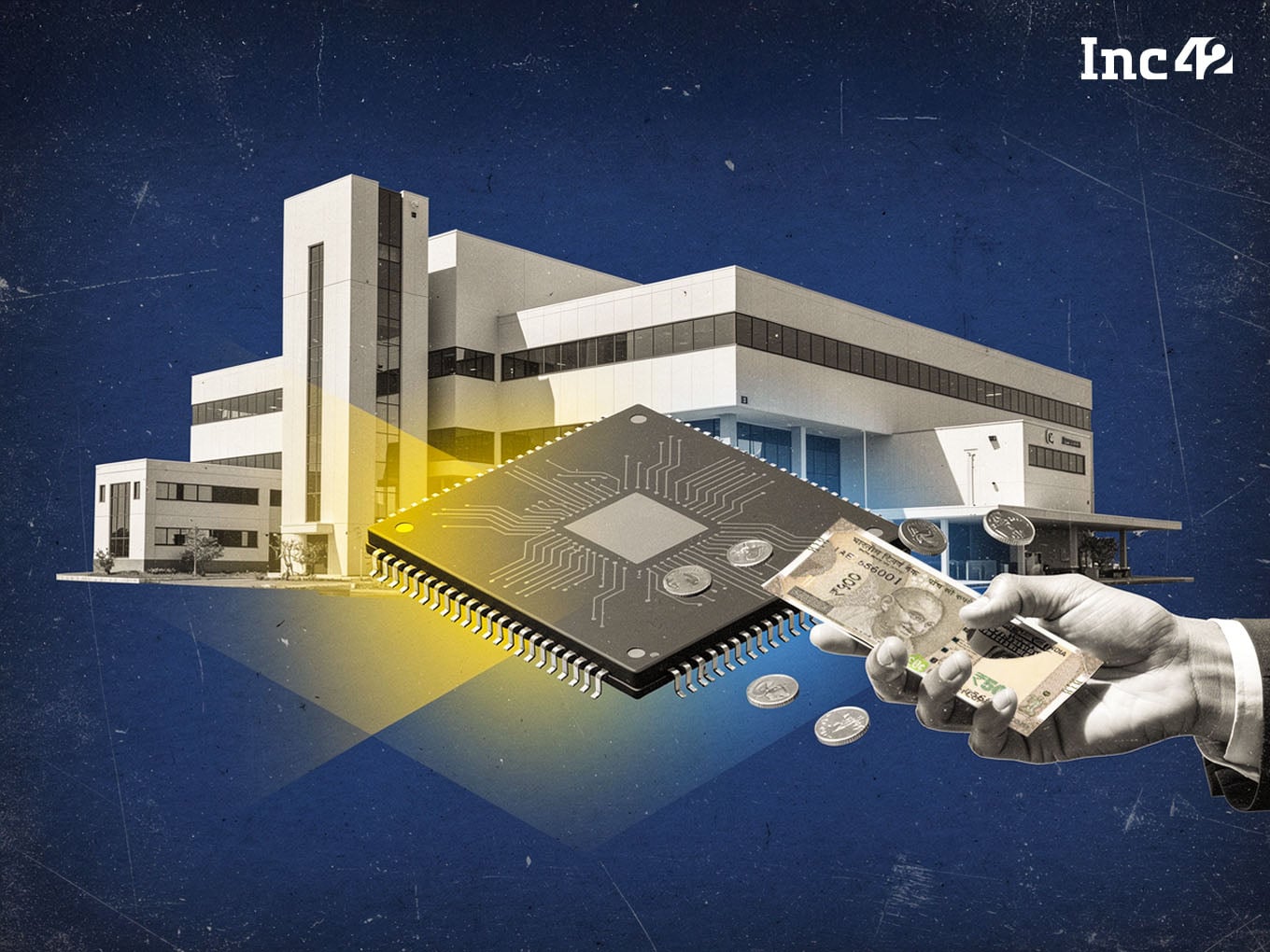
Marvell Commits $250 Mn to India Chip Expansion
Marvell Technology will invest $250 million in India over three years, doubling its workforce and expanding offices in Bengaluru and Hyderabad to advance AI and cloud chip design.
Key Takeaways
May 1, 2026 · 2 min read · By Rishabh Bhardwaj
·
AI-assisted, human-reviewed · Our editorial standards
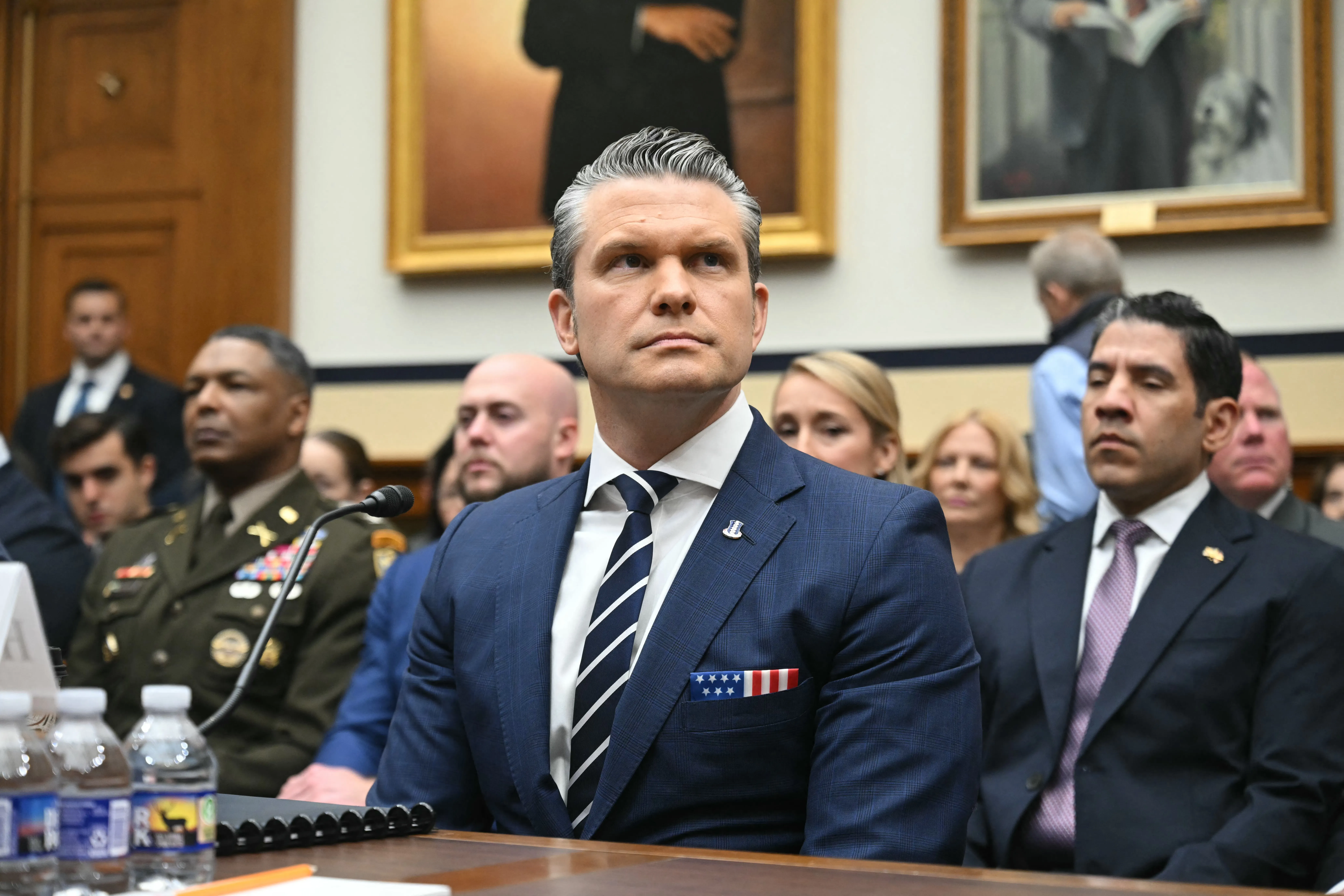
The Pentagon has signed classified AI access deals with OpenAI, Google, Microsoft, Amazon, Nvidia, xAI, and a startup called Reflection, while cutting out Anthropic, a company it had previously used for classified work.
The Defense Department flagged Anthropic as a supply-chain risk, which is the stated reason for its removal. The exact nature of that concern has not been made public, but the designation effectively bars Anthropic from this particular group of cleared vendors, at least for now.
The agreements let the Pentagon use AI tools from each company in classified environments, meaning on networks and systems that handle sensitive or secret government data. That is a meaningfully higher bar than standard government contracts, which often cover unclassified work only. Getting cleared for classified use signals a deeper level of vetting and trust from the Defense Department.
OpenAI and xAI had already reached earlier agreements with the Pentagon covering the "lawful" use of their AI systems. The new announcements extend that framework to a broader group of vendors. Google's deal was reported by The Information, and The Wall Street Journal noted Microsoft's involvement.
For AI companies, a classified Pentagon contract is both a revenue opportunity and a competitive signal. It suggests the government has assessed their security posture, supply chain, and reliability at the highest sensitivity levels. Being included, or excluded, in this group carries weight beyond the immediate contract value.
Anthropic's exclusion is notable because it was already an active vendor for classified use. A supply-chain risk designation mid-relationship is unusual and could affect how other government agencies view Anthropic for sensitive procurement. Anthropic has not publicly responded to the designation.
The broader push to bring commercial AI into classified Defense settings reflects a wider U.S. government effort to modernize military and intelligence tools using large language models and AI infrastructure. The pace of these deals, multiple major vendors cleared at once, suggests the Pentagon is moving quickly to build out its approved vendor base rather than relying on a single provider.
Watch for whether Anthropic challenges or addresses the supply-chain risk finding, and whether any of the newly included vendors disclose contract sizes or scope in upcoming earnings calls.
Marvell Technology will invest $250 million in India over three years, doubling its workforce and expanding offices in Bengaluru and Hyderabad to advance AI and cloud chip design.
Microsoft, Nvidia, SpaceX, and Palantir have joined the newly formed Open Secure AI Alliance alongside dozens of U.S. and European tech companies. The group aims to set shared AI security standards as fallout from a cyber attack on OpenAI pushes the industry toward coordinated defenses.
Skyroot Aerospace's Vikram-1 became India's first privately built rocket to reach orbit, making India only the third country after the US and China with a private orbital launch capability.
India has approved a ₹1.25 lakh crore ISM 2.0 that replaces the earlier grant-only model with a grant-plus-equity structure, co-investing alongside private venture capital in fabless chip design startups.