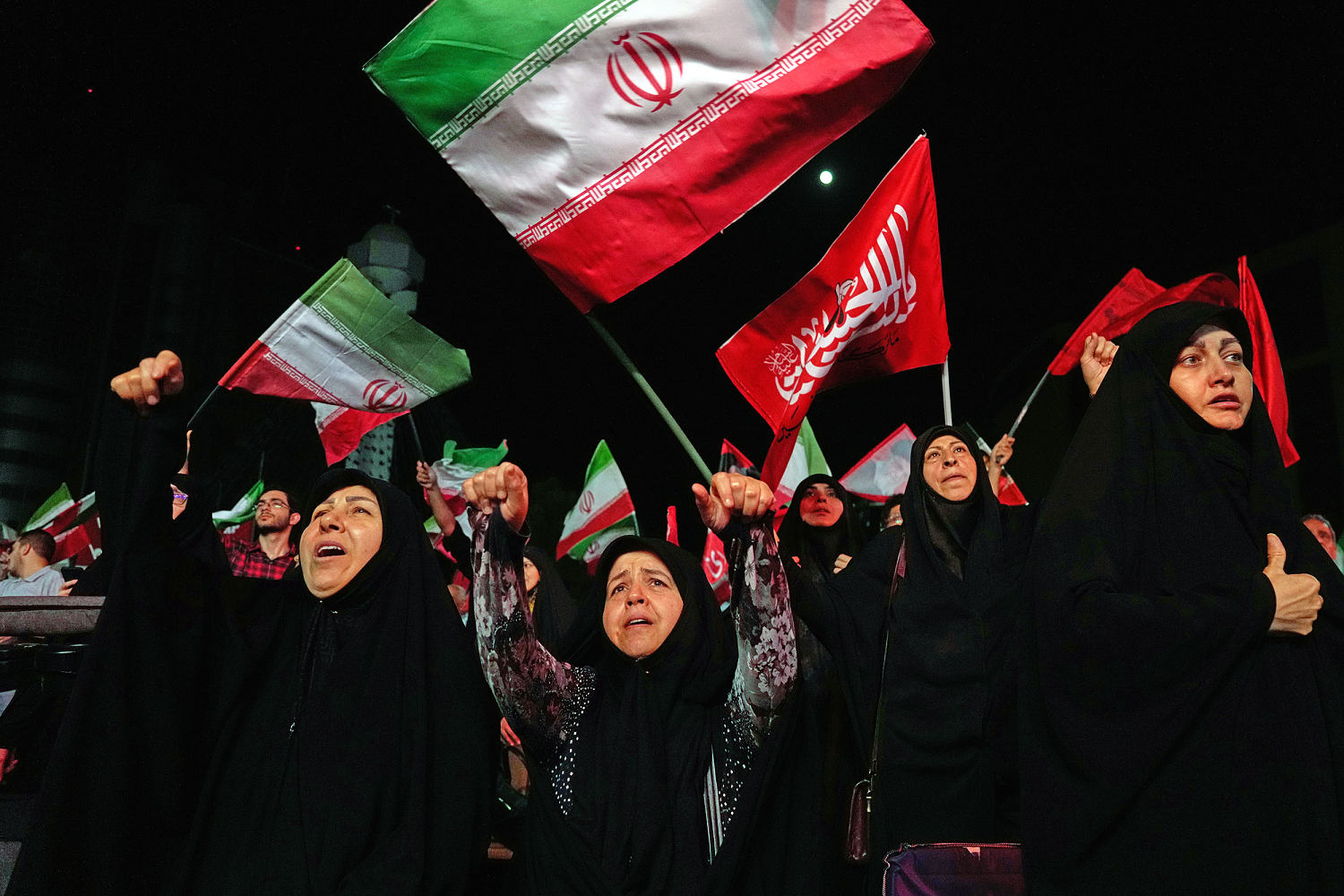
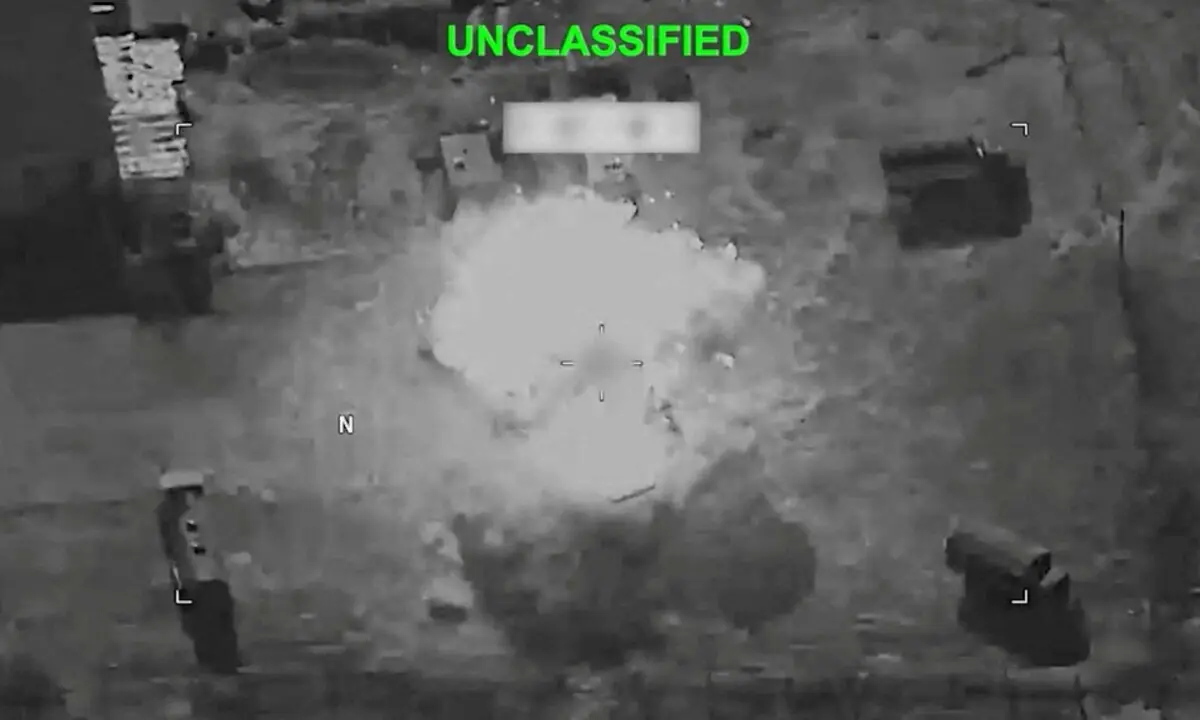
Iran has launched fresh attacks on U.S. targets, ending a short pause in hostilities and reigniting direct military confrontation between the two countries over the Strait of Hormuz.
The strikes broke a lull that had followed weeks of escalating tension centered on the strait, one of the world's most critical waterways. Roughly 20 percent of global oil supply passes through the Hormuz chokepoint, making any sustained military activity there a direct pressure point for energy markets and global trade.
What Broke the Calm
The exact nature of the Iranian strikes, the targets hit, and the scale of the attack are not yet fully detailed in available reports. What is confirmed is that the attacks ended a brief period of relative quiet that had followed an extended cycle of U.S.-Iran escalation. The pattern suggests neither side had reached a durable ceasefire or diplomatic arrangement during the pause.
The Strait of Hormuz sits between Iran and Oman and connects the Persian Gulf to the Gulf of Oman and the wider Arabian Sea. Iran has long held the geographic and military capacity to threaten or disrupt traffic through the strait, and any credible threat to that passage tends to move oil prices and defense stocks quickly.
Why This Matters for Markets and Policy
A return to active strikes after even a brief lull carries a specific kind of market signal: it tells traders and policymakers that the conflict has not found a floor. Each resumption raises the probability of a sustained disruption rather than a contained incident.
Oil markets are the most immediate transmission channel. If attacks damage tanker traffic, port infrastructure, or naval assets near Hormuz, supply concerns can push crude prices sharply higher within hours. That feeds through to fuel costs, shipping rates, and eventually consumer prices in import-dependent economies, including India, which sources a significant share of its crude from the Gulf region.
Defense and energy stocks typically move in opposite directions during Hormuz flare-ups: defense contractors and domestic energy producers tend to gain, while airlines, petrochemical processors, and emerging market currencies that track oil import costs tend to come under pressure.
On the policy side, renewed Iranian strikes on U.S. targets will increase pressure on Washington to respond, either militarily or through tighter sanctions. Either path carries secondary consequences. A military response risks further escalation and broader regional involvement. Tighter sanctions on Iranian oil exports, if enforced strictly, can tighten global supply further and push prices higher.
Gulf Arab states, many of which host U.S. military assets and rely on Hormuz for their own exports, face renewed uncertainty about their security environment. Shipping insurers will likely reassess war-risk premiums for vessels operating in the region, raising costs for tanker operators and their customers.
The resumption also complicates any ongoing diplomatic track. A pause in fighting often creates space for back-channel negotiations, but a return to attacks tends to harden positions on both sides and narrow the window for a negotiated outcome in the near term.
Watch for the U.S. military and the Pentagon to detail the nature of the attacks and any American response. Oil price moves at the open of the next trading session will signal how seriously markets are pricing the risk of sustained disruption. Any statement from the International Maritime Organization or major tanker operators about route changes or insurance reviews would confirm that commercial shipping is already adjusting to the renewed threat.