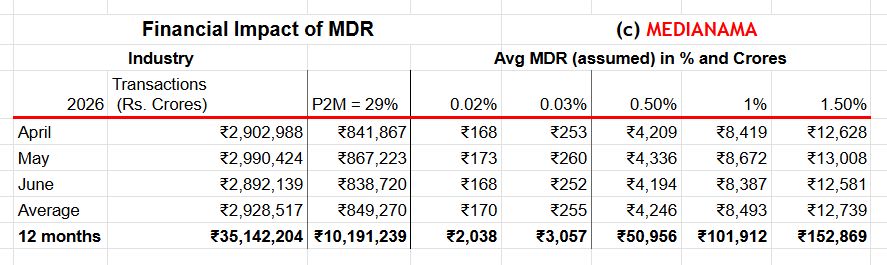
India to Restore UPI Merchant Fees, PhonePe Gains Most
India's government plans to amend the Payment and Settlement Systems Act to restore UPI merchant discount rates, ending the zero-MDR regime in place since January 2020.
Key Takeaways
July 1, 2026 · 4 min read · By Rishabh Bhardwaj
·
AI-assisted, human-reviewed · Our editorial standards
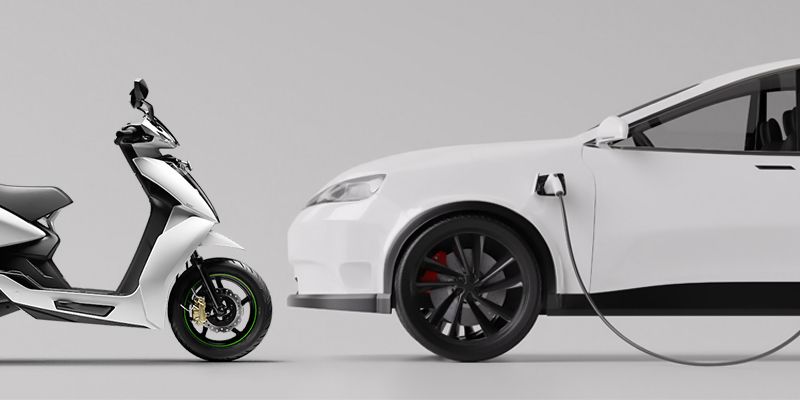
Delhi's Lieutenant Governor Taranjit Singh Sandhu formally notified the Delhi Electric Vehicles Policy 2026 on July 1, 2026, giving it immediate legal effect under the Motor Vehicles Act, 1988. The policy sets hard deadlines for phasing out fossil-fuel vehicles across key categories and backs that shift with subsidies, tax waivers, and a Rs 15,000 crore public investment over four years.
The policy was approved by the Delhi Cabinet under Chief Minister Rekha Gupta earlier this week before being sent to the LG for sign-off. It stays in force until March 31, 2030, giving automakers, fleet operators, and buyers a roughly four-year window to adjust.
The most direct consumer benefit is a full waiver of road tax and registration fees on electric cars priced at Rs 30 lakh or below (ex-showroom). That removes a cost that typically runs into tens of thousands of rupees on new registrations, making EVs meaningfully cheaper at the point of purchase.
For two-wheelers, the government is offering a sliding subsidy: Rs 30,000 in year one, Rs 20,000 in year two, and Rs 10,000 in year three. The incentive is front-loaded deliberately, rewarding early adopters most. From April 1, 2028, only electric two-wheelers will be registered in Delhi. Petrol and CNG two-wheelers will effectively be locked out of new registrations from that date.
Auto rickshaws face an earlier deadline. From January 1, 2027, only electric auto rickshaws will be registered in the capital. That gives the auto-rickshaw segment roughly six months to transition, a tight timeline for drivers who depend on financing and availability of affordable electric models.
On infrastructure, the government plans to install more than 30,000 EV charging points across Delhi. The scale matters because range anxiety and charging access remain the two most cited reasons buyers delay switching to electric.
The policy cites a recent report from the Commission for Air Quality Management showing that vehicular emissions account for nearly 23% of Delhi's air pollution, making them the single largest source, especially in winter. That figure gives the government a clear public health justification for the hard registration bans rather than softer incentive-only approaches.
The Rs 15,000 crore investment commitment is the other number worth tracking. Spread over four years, it signals that the government is treating EV infrastructure as a capital expenditure priority, not just a policy statement. Whether that money reaches charging infrastructure on schedule will determine whether the 2027 and 2028 registration deadlines hold in practice.
The policy also opens a lane for hydrogen fuel-cell vehicles. It explicitly states that if hydrogen or other cleaner fuel vehicles become viable during the policy period, they may be inducted by government decision. Transport Minister Pankaj Singh confirmed last month that Delhi plans to run two hydrogen-powered buses, with the NTPC Limited supplying the buses under its CSR programme. The Delhi Transport Corporation is finalising an MoU with NTPC. Under the proposed arrangement, buses would run on a Gross Cost Contract model at Rs 45 per kilometre, with NTPC covering costs beyond that rate.
For the auto sector, the phased bans create a clear demand signal. EV two-wheeler makers and electric auto manufacturers now have a mandated market opening in Delhi, one of India's largest urban vehicle markets. Petrol and CNG two-wheeler makers face a hard stop on new registrations in the city within two years.
For buyers, the immediate question is timing. The year-one subsidy of Rs 30,000 on two-wheelers plus the registration fee waiver on cars makes purchasing an EV in 2026 considerably cheaper than waiting. As subsidies step down annually, the financial case for deferring weakens each year.
The next milestones to watch: whether auto-rickshaw supply chains can scale fast enough to meet the January 2027 deadline, how quickly the 30,000 charging points get deployed, and whether the NTPC hydrogen bus MoU is signed and operational before the policy's 2030 sunset.
India's government plans to amend the Payment and Settlement Systems Act to restore UPI merchant discount rates, ending the zero-MDR regime in place since January 2020.
India's government has introduced the Taxation and Other Laws (Amendment) Bill, 2026, proposing changes to payments regulation, income tax, and the Finance Act to attract FDI and support Make in India. The Bill's final shape will depend on parliamentary debate and committee review.
The government's Taxation and Other Laws (Amendment) Bill, 2026, proposes to replace the blanket UPI MDR ban with a system allowing the Centre to notify which payment modes stay fee-free.
Prime Minister Narendra Modi inaugurated the Rs 5,000 crore Bhogapuram greenfield airport in Andhra Pradesh, built under a public-private partnership model. He also laid foundation stones for infrastructure projects worth nearly Rs 18,000 crore in the state, signalling a broad investment push for the region.