Marvell Commits $250 Mn to India Chip Expansion
Marvell Technology will invest $250 million in India over three years, doubling its workforce and expanding offices in Bengaluru and Hyderabad to advance AI and cloud chip design.
Key Takeaways
June 14, 2026 · 3 min read · By Rishabh Bhardwaj
·
AI-assisted, human-reviewed · Our editorial standards
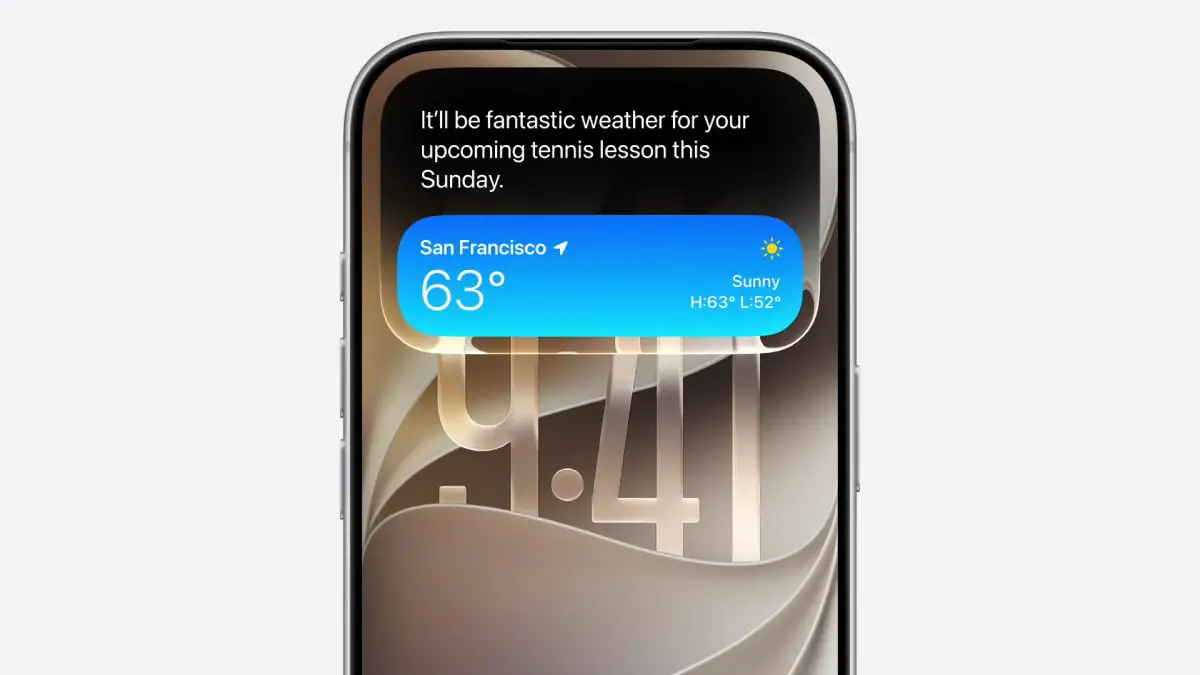
Apple has unveiled iOS 27 at its annual Worldwide Developers Conference in Cupertino, bringing a redesigned Siri, faster app performance, and a refined version of the Liquid Glass interface that debuted in the previous major release.
The headline change is Siri's new structure. Apple has separated the assistant into a standalone app, a meaningful shift from its current role as a system-level overlay. The app retains access to past conversations, which means users can pick up context from earlier sessions rather than starting fresh each time. That change alone moves Siri closer to how people already use dedicated AI chat tools, a competitive pressure Apple has been navigating since ChatGPT reshaped expectations for AI assistants.
App launch speeds are up to 30 percent faster under iOS 27, according to Apple. That figure covers the opening of apps, which is one of the most frequent and noticeable interactions on a phone. Whether that gain holds uniformly across older hardware or concentrates on newer chips will become clearer once developer testing begins.
The Liquid Glass design language, introduced in the prior iOS cycle, is being refined rather than replaced. Apple is describing the update as a streamlined version of that interface, suggesting visual and layout polish rather than a wholesale rethink. For users who found the original Liquid Glass aesthetic jarring or heavy on system resources, this revision may address some of those concerns, though Apple has not detailed specific changes to rendering or battery behavior.
The broader design continuity signals that Apple views Liquid Glass as a long-term platform direction rather than a one-year experiment. Developers building apps for iOS 27 will be working within that framework, and the refinements could ease some of the friction that accompanied the initial rollout.
A developer preview of iOS 27 is now available, which means app makers can begin testing compatibility and optimizing for the new Siri structure and performance profile. Public betas typically follow within weeks of a developer preview, giving a wider audience a chance to test before the official release.
Apple has set an expected release window of around September 2026, consistent with its standard annual iOS release schedule tied to new iPhone hardware. That timeline gives developers roughly three months to prepare, and it gives the market a clear horizon for when iOS 27 features will reach the installed base at scale.
For the broader AI ecosystem, the Siri redesign is the most strategically significant element of iOS 27. A persistent, conversational Siri with chat history puts Apple's assistant in more direct competition with standalone AI apps. Whether Apple deepens that functionality with third-party model integrations or keeps Siri on its own infrastructure will be closely watched as the beta period progresses.
On the hardware side, the 30 percent speed improvement will benefit all compatible devices, but the practical gap between older and newer iPhones in daily use is likely to narrow further, which could reduce upgrade urgency for some users while strengthening the overall iOS platform argument.
Marvell Technology will invest $250 million in India over three years, doubling its workforce and expanding offices in Bengaluru and Hyderabad to advance AI and cloud chip design.
Microsoft, Nvidia, SpaceX, and Palantir have joined the newly formed Open Secure AI Alliance alongside dozens of U.S. and European tech companies. The group aims to set shared AI security standards as fallout from a cyber attack on OpenAI pushes the industry toward coordinated defenses.
Skyroot Aerospace's Vikram-1 became India's first privately built rocket to reach orbit, making India only the third country after the US and China with a private orbital launch capability.
India has approved a ₹1.25 lakh crore ISM 2.0 that replaces the earlier grant-only model with a grant-plus-equity structure, co-investing alongside private venture capital in fabless chip design startups.