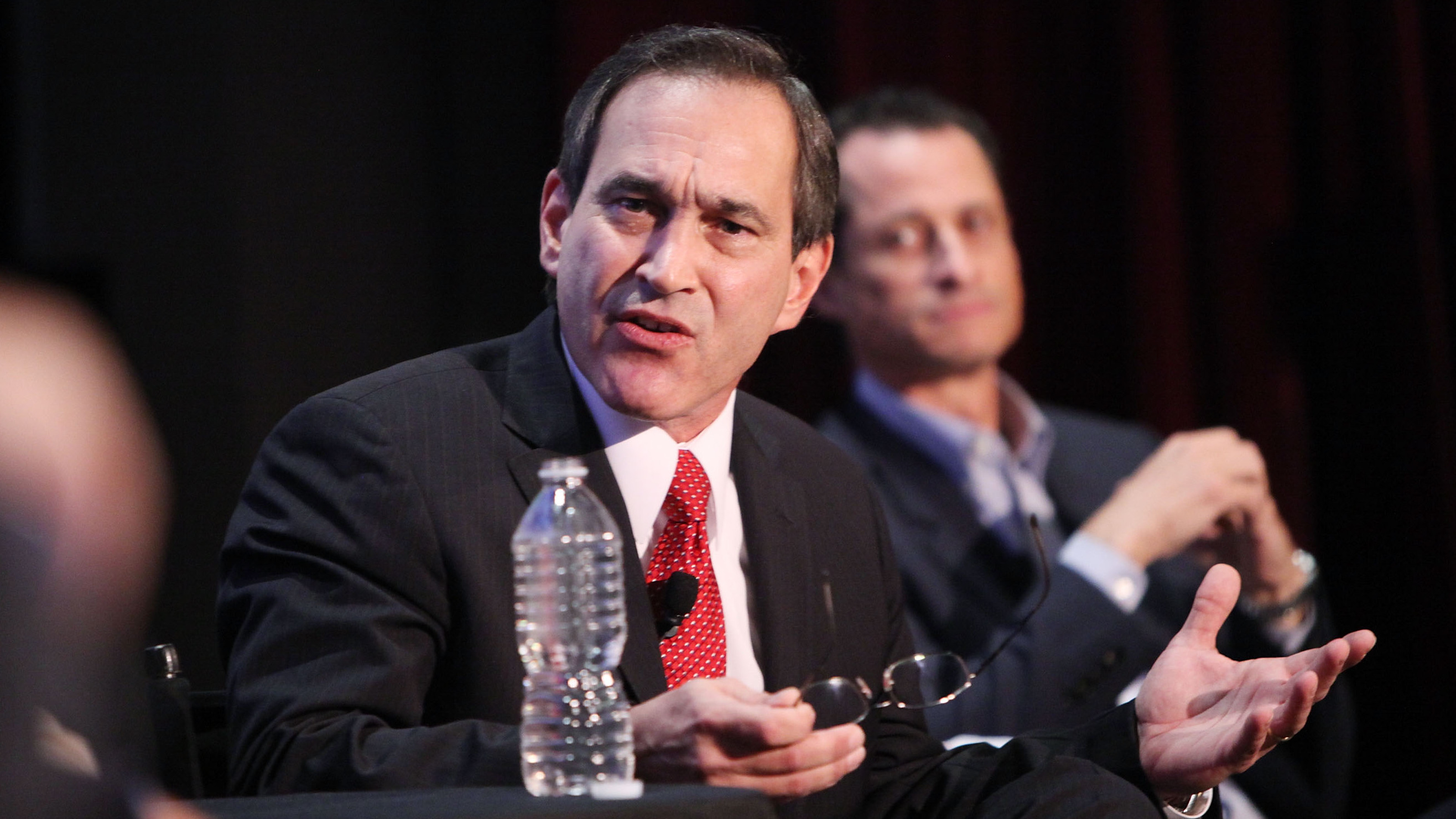
A key measure of new U.S. job creation has dropped to 189,000, a level not seen since the 1960s, surprising markets and prompting a visible reaction from anchors on CNBC, who called the number "truly incredible."
What the Number Means
The figure refers to new jobs added, and at 189,000 it sits well below the levels that markets and policymakers have grown used to over the past several years. A reading this low, last seen in the 1960s, signals a sharp cooling in the pace of hiring. When fewer jobs are created, consumer spending power tends to weaken, since more people either remain unemployed or face reduced hours and wages.
Labor market data is one of the most closely watched inputs for the U.S. Federal Reserve. The Fed has been holding interest rates at elevated levels to bring inflation down, and a weakening jobs market gives it more reason, and more political cover, to start cutting rates. Historically, when job creation slows this sharply, rate cut expectations tend to move up quickly in bond and equity markets.
Why It Matters Now
The timing is significant. The U.S. economy has been running hot for several years, and many economists had expected a gradual slowdown rather than a sudden drop to multi-decade lows. A number this far below expectations can trigger rapid repricing across asset classes, stocks, bonds, and the dollar all typically react within minutes of a jobs release.
For businesses, a cooling labor market cuts two ways. Hiring costs and wage pressure may ease, which helps margins. But if job losses are spreading broadly, consumer demand weakens too, which hurts revenue across retail, housing, and services sectors.
For workers, a sharp drop in job creation means fewer options and potentially longer searches for new roles, particularly in sectors that have already seen layoffs in recent months.
The reaction on CNBC, anchors visibly surprised and describing the data as "truly incredible", reflects how far outside normal expectations this print landed. Markets will now watch closely for any Fed signals, and the next few weeks of data will determine whether this is a one-month anomaly or the start of a deeper trend.