Samajwadi Party chief Akhilesh Yadav has accused the central government of fast-tracking the Women's Reservation Bill to circumvent a caste-based census, alleging the move is engineered to manipulate constituency boundaries ahead of the 2029 general election. The Bill, which reserves one-third of seats in Parliament and state assemblies for women, links implementation to a delimitation exercise that requires a fresh Census. Yadav's charge is that the government intends to conduct delimitation using Census data that excludes caste enumeration, effectively locking in boundaries before any caste count can inform political representation. The political mechanism at stake is straightforward: delimitation redraws constituencies, and whichever demographic data underpins that exercise shapes which communities gain or lose electoral weight. For OBC-heavy states like Uttar Pradesh, where the SP draws its core support, a delimitation without caste data could entrench existing seat distributions that underrepresent numerically significant but politically inconvenient groups. The next move to watch is whether opposition parties unite around demanding a caste census before any delimitation proceeds, and how the government frames the Census timeline.
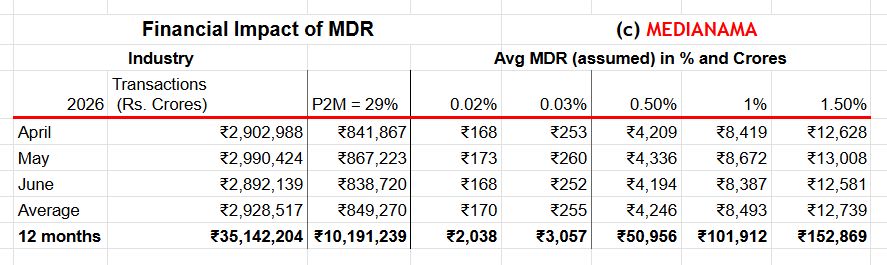
India's government plans to amend the Payment and Settlement Systems Act to restore UPI merchant discount rates, ending the zero-MDR regime in place since January 2020.
India's government has introduced the Taxation and Other Laws (Amendment) Bill, 2026, proposing changes to payments regulation, income tax, and the Finance Act to attract FDI and support Make in India. The Bill's final shape will depend on parliamentary debate and committee review.
The government's Taxation and Other Laws (Amendment) Bill, 2026, proposes to replace the blanket UPI MDR ban with a system allowing the Centre to notify which payment modes stay fee-free.
Prime Minister Narendra Modi inaugurated the Rs 5,000 crore Bhogapuram greenfield airport in Andhra Pradesh, built under a public-private partnership model. He also laid foundation stones for infrastructure projects worth nearly Rs 18,000 crore in the state, signalling a broad investment push for the region.