Prime Minister Keir Starmer has stated he was unaware that Peter Mandelson failed to obtain security clearance, a disclosure that raises direct questions about vetting processes at the senior levels of his government. The admission is politically significant because Mandelson, a close Labour ally, holds a high-profile role that would ordinarily require cleared access to sensitive material. Starmer's claim of ignorance shifts scrutiny toward how appointments are managed and who bears accountability when clearance failures go undisclosed to the top of government. The immediate pressure centres on whether Starmer's position is tenable if he was genuinely kept out of the loop on a matter of this sensitivity, or whether the explanation itself becomes the political liability. Resignation speculation has surfaced publicly, though no formal moves have been reported. What to watch: whether Mandelson retains his position, whether a formal review of the vetting process is announced, and how the Labour parliamentary party responds in the coming days.
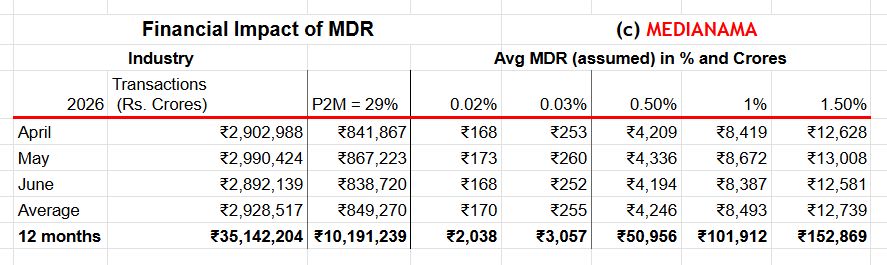
India's government plans to amend the Payment and Settlement Systems Act to restore UPI merchant discount rates, ending the zero-MDR regime in place since January 2020.
India's government has introduced the Taxation and Other Laws (Amendment) Bill, 2026, proposing changes to payments regulation, income tax, and the Finance Act to attract FDI and support Make in India. The Bill's final shape will depend on parliamentary debate and committee review.
The government's Taxation and Other Laws (Amendment) Bill, 2026, proposes to replace the blanket UPI MDR ban with a system allowing the Centre to notify which payment modes stay fee-free.
Prime Minister Narendra Modi inaugurated the Rs 5,000 crore Bhogapuram greenfield airport in Andhra Pradesh, built under a public-private partnership model. He also laid foundation stones for infrastructure projects worth nearly Rs 18,000 crore in the state, signalling a broad investment push for the region.