India to Restore UPI Merchant Fees, PhonePe Gains Most
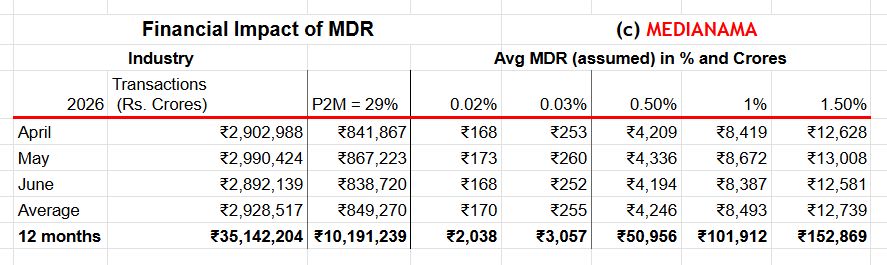
India's government plans to amend the Payment and Settlement Systems Act to restore UPI merchant discount rates, ending the zero-MDR regime in place since January 2020.
Key Takeaways
May 9, 2026 · 2 min read · By Rishabh Bhardwaj
·
AI-assisted, human-reviewed · Our editorial standards
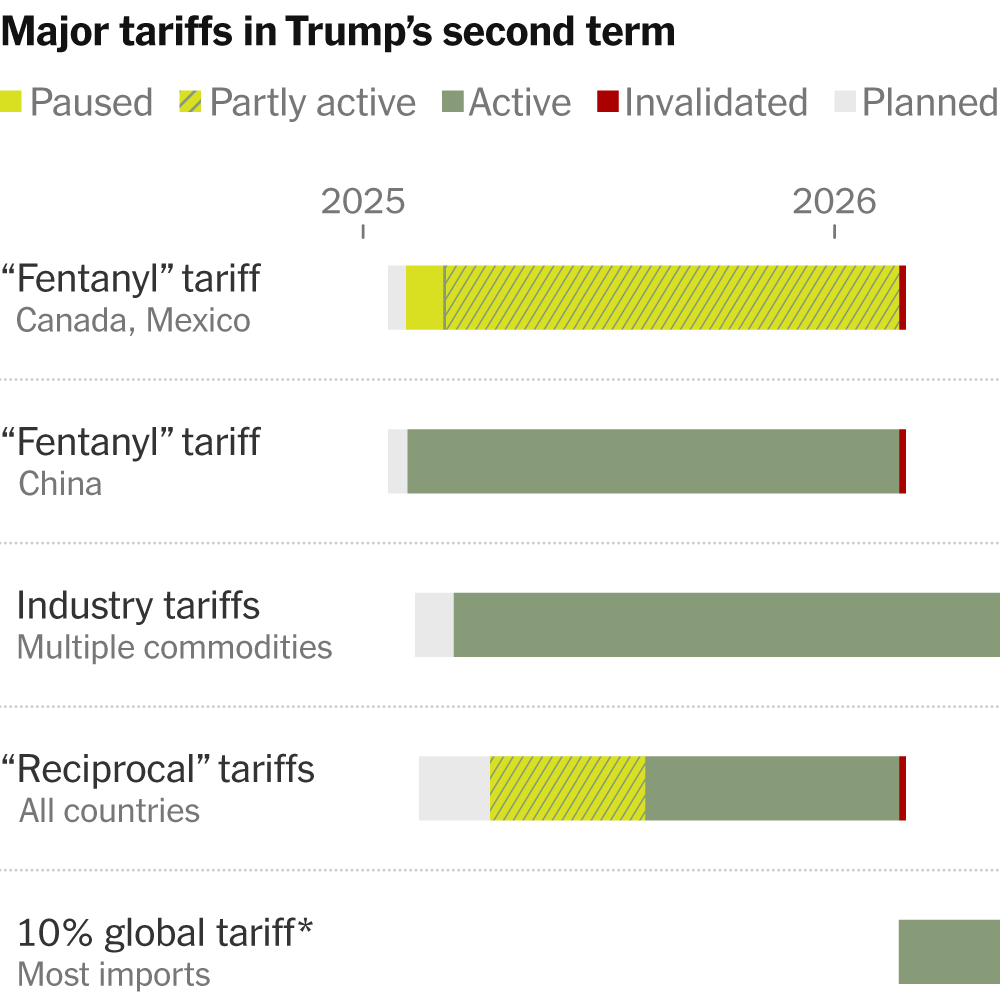
President Trump's tariff program is one of the most fluid trade policy efforts in recent U.S. history. Rates have been raised, paused, partially rolled back, and in some cases struck down by courts, often within weeks of each other. Keeping track of what is actually in force matters for any business that imports goods or manages supply chains.
Broad tariffs on goods from most countries remain active, anchored by a baseline rate that the administration put in place earlier this year. Steeper duties on Chinese imports have been the most prominent, with rates elevated well above pre-2025 levels. Sector-specific tariffs on steel, aluminum, and automobiles are also in effect, layered on top of country-level rates in some cases.
Some tariffs were announced with immediate effect, while others followed a short notice period. The result is a patchwork: the rate a U.S. importer pays today depends on the origin country, the product category, and which legal authority the administration used to impose the duty.
Federal courts have ruled certain tariffs illegal, a significant check on executive trade authority. The rulings have centered on the legal basis the administration used, specifically whether the president had the statutory power to impose duties through the mechanisms chosen. Where courts have blocked tariffs, the administration has faced pressure to either appeal or find alternative legal authority to reimpose them.
The legal challenges are ongoing, which means the tariff landscape could shift further based on court decisions rather than just White House policy choices. Businesses cannot treat current rates as stable until the litigation settles.
The administration has also signaled additional tariffs are in the pipeline, targeting specific sectors or trading partners. Negotiations with several countries are active, and the outcome of those talks could either reduce rates through bilateral deals or trigger new escalation.
For importers, the practical effect is compressed planning horizons. Costs that were fixed at the start of a supply contract may not match the duties owed by the time goods clear customs. That gap has forced some companies to renegotiate supplier terms, shift sourcing, or absorb margin hits. Retailers and manufacturers with long lead times are most exposed.
Investors tracking sectors like consumer electronics, autos, and industrial goods should watch court dockets and trade negotiation timelines closely, both can move rates faster than a formal rulemaking process would.
India's government plans to amend the Payment and Settlement Systems Act to restore UPI merchant discount rates, ending the zero-MDR regime in place since January 2020.
India's government has introduced the Taxation and Other Laws (Amendment) Bill, 2026, proposing changes to payments regulation, income tax, and the Finance Act to attract FDI and support Make in India. The Bill's final shape will depend on parliamentary debate and committee review.
The government's Taxation and Other Laws (Amendment) Bill, 2026, proposes to replace the blanket UPI MDR ban with a system allowing the Centre to notify which payment modes stay fee-free.
Prime Minister Narendra Modi inaugurated the Rs 5,000 crore Bhogapuram greenfield airport in Andhra Pradesh, built under a public-private partnership model. He also laid foundation stones for infrastructure projects worth nearly Rs 18,000 crore in the state, signalling a broad investment push for the region.