India to Restore UPI Merchant Fees, PhonePe Gains Most
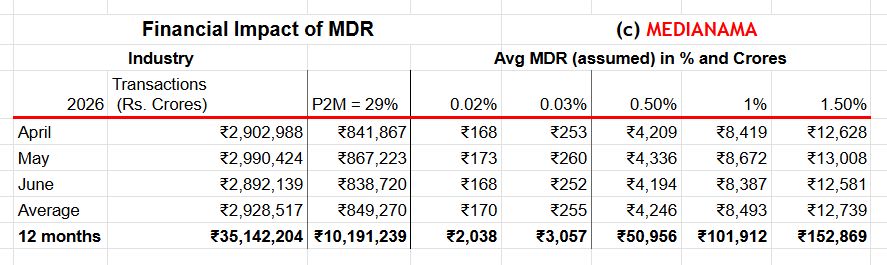
India's government plans to amend the Payment and Settlement Systems Act to restore UPI merchant discount rates, ending the zero-MDR regime in place since January 2020.
Key Takeaways
May 9, 2026 · 2 min read · By Rishabh Bhardwaj
·
AI-assisted, human-reviewed · Our editorial standards
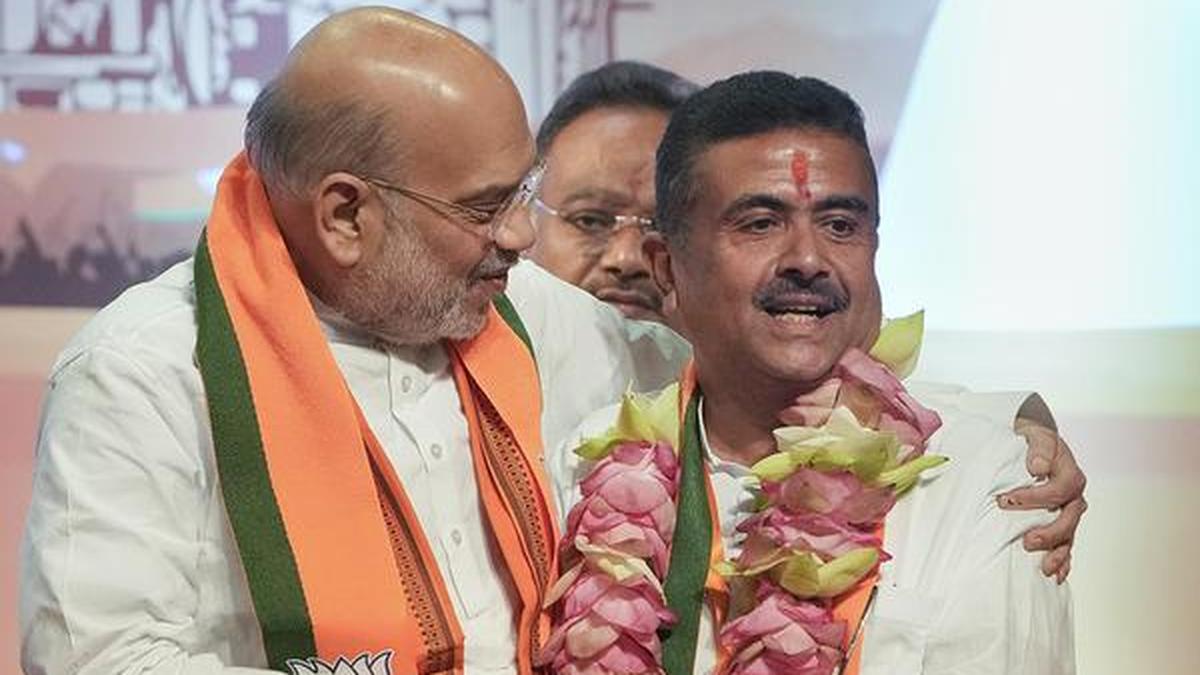
The Bharatiya Janata Party has won a decisive majority in the West Bengal Assembly elections, capturing 207 of 293 seats and ending 15 years of Trinamool Congress rule under Chief Minister Mamata Banerjee. Suvendu Adhikari is set to be sworn in as the state's first BJP Chief Minister.
The result marks a dramatic reversal in one of India's most politically contested states. The TMC, which Mamata Banerjee built into a dominant regional force after ousting the Left Front in 2011, has now suffered a similar fate. A 207-seat haul gives the BJP a comfortable working majority, well above the 148 seats needed to form a government in the 293-member house.
Suvendu Adhikari, who defected from the TMC to join the BJP before the elections, emerges as the face of the new government. His swearing-in as Chief Minister would represent both a personal political triumph and a symbol of the broader defections that reshaped the state's political landscape ahead of the vote.
A BJP government in Bengal would be significant for the party's national footprint. The state has long been a target for the BJP, which has steadily expanded its presence there since the 2019 general elections. Taking control of the state government gives the party administrative power over a large and populous state ahead of the next general election cycle.
For the TMC and Mamata Banerjee personally, the loss ends a prolonged era of dominance. How the opposition regroups, and whether Banerjee remains a force in state or national politics, will be closely watched in the weeks ahead.
The swearing-in ceremony is proceeding as a live event. Further details on cabinet composition and the new government's early policy priorities are expected to emerge shortly after the oath-taking concludes.
India's government plans to amend the Payment and Settlement Systems Act to restore UPI merchant discount rates, ending the zero-MDR regime in place since January 2020.
India's government has introduced the Taxation and Other Laws (Amendment) Bill, 2026, proposing changes to payments regulation, income tax, and the Finance Act to attract FDI and support Make in India. The Bill's final shape will depend on parliamentary debate and committee review.
The government's Taxation and Other Laws (Amendment) Bill, 2026, proposes to replace the blanket UPI MDR ban with a system allowing the Centre to notify which payment modes stay fee-free.
Prime Minister Narendra Modi inaugurated the Rs 5,000 crore Bhogapuram greenfield airport in Andhra Pradesh, built under a public-private partnership model. He also laid foundation stones for infrastructure projects worth nearly Rs 18,000 crore in the state, signalling a broad investment push for the region.