India to Restore UPI Merchant Fees, PhonePe Gains Most
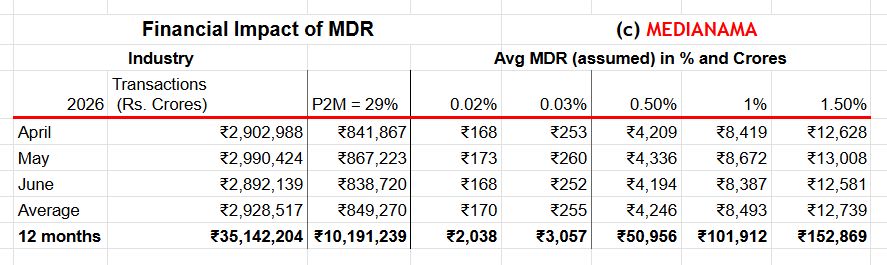
India's government plans to amend the Payment and Settlement Systems Act to restore UPI merchant discount rates, ending the zero-MDR regime in place since January 2020.
Key Takeaways
May 4, 2026 · 2 min read · By Rishabh Bhardwaj
·
AI-assisted, human-reviewed · Our editorial standards
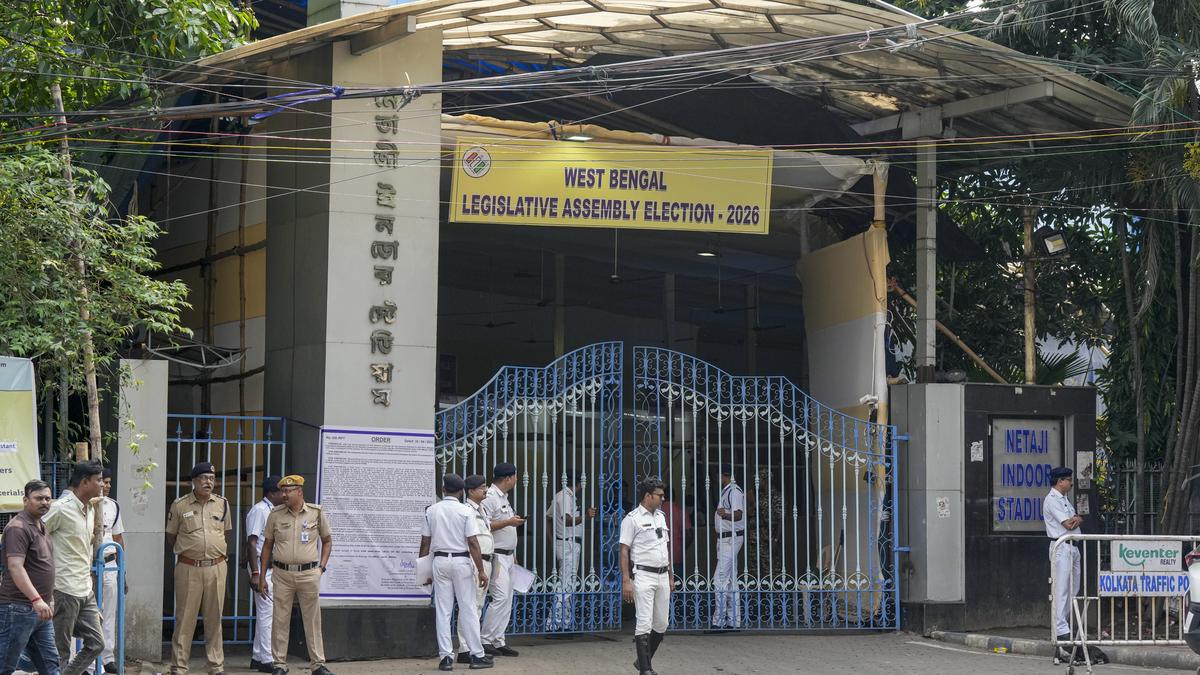
Vote counting for the West Bengal assembly election is underway, with the Trinamool Congress (TMC) defending its grip on the state and the Bharatiya Janata Party (BJP) pushing for what would be a historic first win in Bengal.
The Election Commission of India has put a tight security framework in place across all counting centres. Every centre has triple-layer security, with specialised patrols deployed in areas identified as sensitive or vulnerable. Entry is restricted to authorised personnel only, each required to carry a QR-coded identity pass to gain access.
West Bengal's assembly election drew a record voter turnout, adding weight to the outcome. A high turnout often signals strong voter sentiment on either side, though the direction of that swing will become clear as counting progresses through the day.
TMC, led by Chief Minister Mamata Banerjee, has governed West Bengal for over a decade and is seeking another term. BJP, which made significant inroads in the state during the 2019 general elections, is attempting to convert that momentum into an outright assembly majority, something the party has never achieved in Bengal.
West Bengal is one of India's most populous and politically significant states. A TMC win would cement Mamata Banerjee's position as a major opposition figure at the national level. A BJP victory would mark a fundamental shift in Bengal's political landscape and extend the party's footprint in eastern India, a region it has been working to consolidate.
For markets and business, the result carries some weight. West Bengal is a large consumer market and an industrial corridor. Policy continuity under TMC or a new government under BJP would each carry different signals for investment climate, land acquisition norms, and labour relations in the state.
The security arrangements reflect the history of post-poll violence in Bengal, which has drawn national attention in past election cycles. The QR-code entry system and layered patrols are designed to prevent booth-level disputes from spilling into counting centres.
Watch for early leads in the first two hours of counting, which will give the first clear read on whether either party is on track for a comfortable majority or whether the result is headed toward a tighter finish.
India's government plans to amend the Payment and Settlement Systems Act to restore UPI merchant discount rates, ending the zero-MDR regime in place since January 2020.
India's government has introduced the Taxation and Other Laws (Amendment) Bill, 2026, proposing changes to payments regulation, income tax, and the Finance Act to attract FDI and support Make in India. The Bill's final shape will depend on parliamentary debate and committee review.
The government's Taxation and Other Laws (Amendment) Bill, 2026, proposes to replace the blanket UPI MDR ban with a system allowing the Centre to notify which payment modes stay fee-free.
Prime Minister Narendra Modi inaugurated the Rs 5,000 crore Bhogapuram greenfield airport in Andhra Pradesh, built under a public-private partnership model. He also laid foundation stones for infrastructure projects worth nearly Rs 18,000 crore in the state, signalling a broad investment push for the region.