India to Restore UPI Merchant Fees, PhonePe Gains Most
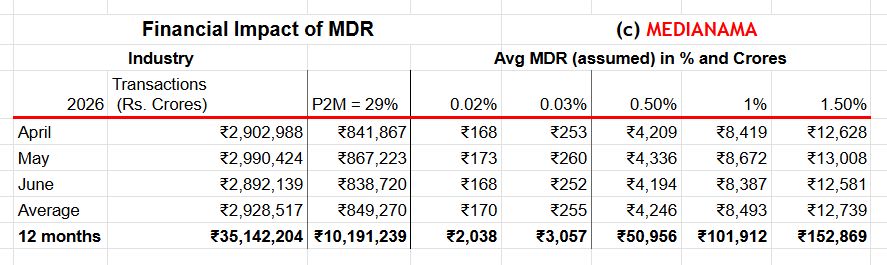
India's government plans to amend the Payment and Settlement Systems Act to restore UPI merchant discount rates, ending the zero-MDR regime in place since January 2020.
Key Takeaways
May 1, 2026 · 2 min read · By Rishabh Bhardwaj
·
AI-assisted, human-reviewed · Our editorial standards

The Indian government has formally allowed contractors to invoke Force Majeure clauses in their contracts, citing the ongoing crisis in West Asia as a qualifying event. The relief window extends up to four months, giving businesses a structured cushion against disruptions caused by the conflict.
Force Majeure is a standard contract clause that excuses a party from meeting its obligations when extraordinary events beyond its control make performance impossible or impractical. By officially tagging the West Asia situation as a qualifying trigger, the government removes any ambiguity about whether contractors can legally use the clause, that uncertainty alone was a material risk for businesses with active supply chains or project timelines running through the region.
The four-month relief period gives contractors a defined window to renegotiate timelines, restructure delivery schedules, or seek alternative sourcing without facing penalty clauses or breach-of-contract claims from government counterparts.
The relief is likely most relevant to contractors with government projects dependent on West Asia-linked supply chains, think construction materials, fuel, petrochemicals, and engineering goods. Companies facing shipping delays, port disruptions, or input shortages tied to the conflict now have a clearer legal path to seek contract extensions without financial penalties.
For private-sector contracts, this government notification may also set a precedent or reference point, strengthening the hand of businesses trying to invoke similar clauses with private counterparties.
The move also signals that the government views the West Asia conflict as serious enough to warrant formal administrative accommodation, not just a passing market disruption. That framing matters for how banks, insurers, and courts may treat related claims going forward.
What to watch: whether this relief is extended beyond four months if the conflict persists, and whether specific sectors or contract categories receive additional carve-outs or compensation mechanisms.
India's government plans to amend the Payment and Settlement Systems Act to restore UPI merchant discount rates, ending the zero-MDR regime in place since January 2020.
India's government has introduced the Taxation and Other Laws (Amendment) Bill, 2026, proposing changes to payments regulation, income tax, and the Finance Act to attract FDI and support Make in India. The Bill's final shape will depend on parliamentary debate and committee review.
The government's Taxation and Other Laws (Amendment) Bill, 2026, proposes to replace the blanket UPI MDR ban with a system allowing the Centre to notify which payment modes stay fee-free.
Prime Minister Narendra Modi inaugurated the Rs 5,000 crore Bhogapuram greenfield airport in Andhra Pradesh, built under a public-private partnership model. He also laid foundation stones for infrastructure projects worth nearly Rs 18,000 crore in the state, signalling a broad investment push for the region.