India to Restore UPI Merchant Fees, PhonePe Gains Most
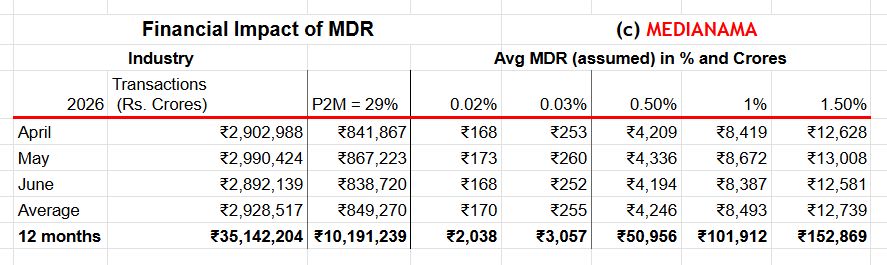
India's government plans to amend the Payment and Settlement Systems Act to restore UPI merchant discount rates, ending the zero-MDR regime in place since January 2020.
Key Takeaways
May 7, 2026 · 2 min read · By Rishabh Bhardwaj
·
AI-assisted, human-reviewed · Our editorial standards
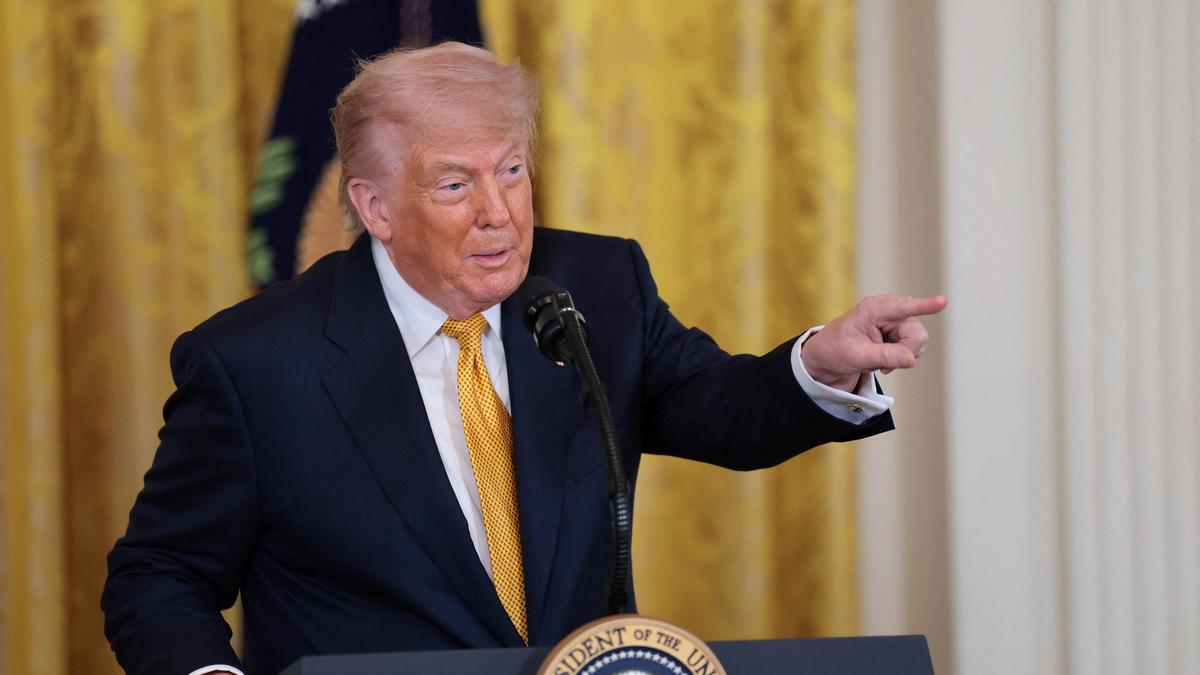
A U.S. trade court has ruled against President Donald Trump's sweeping global 10% baseline tariff, dealing the administration its first major legal setback on its broad tariff agenda. The U.S. Court of International Trade issued a 2-1 ruling that, for now, blocks the tariff from being enforced against two companies and the state of Washington.
The immediate practical scope is narrow. Only those two named companies and Washington state are shielded from the tariff at this point. But the ruling's logic is the part that matters most: if the court majority found the legal basis for the tariff flawed, other companies and states could go to court and seek the same protection.
The tariff was imposed using executive authority, which the administration argued gave the president broad power to set trade barriers in the name of national security or economic emergencies. The court majority disagreed, finding that authority does not extend to a blanket global tariff of this kind. The dissenting judge sided with the administration's interpretation.
The 10% global tariff is one of the most sweeping pieces of Trump's trade policy, a baseline levy applied broadly across imports from nearly all trading partners. Unlike targeted tariffs on specific countries or goods, this one was designed as a floor across the board, making it unusually far-reaching and legally novel.
The administration is widely expected to appeal. The case would likely move to the U.S. Court of Appeals for the Federal Circuit, and could ultimately reach the Supreme Court. Until a higher court acts, the injunction applies only to the named plaintiffs, so the tariff remains in effect for everyone else.
The real significance is the precedent it sets for challenges. Any importer, business, or state government now has a clearer legal pathway to contest the tariff in court. A wave of similar suits could follow, and if higher courts affirm the reasoning, the administration's ability to maintain the global baseline tariff would be in serious doubt.
For businesses that import goods, the ruling is a signal to watch closely. It does not immediately reduce costs for most importers, but it raises the realistic possibility that the tariff could be rolled back through the courts even if it survives politically. That uncertainty itself has consequences for supply chain planning and pricing decisions.
India's government plans to amend the Payment and Settlement Systems Act to restore UPI merchant discount rates, ending the zero-MDR regime in place since January 2020.
India's government has introduced the Taxation and Other Laws (Amendment) Bill, 2026, proposing changes to payments regulation, income tax, and the Finance Act to attract FDI and support Make in India. The Bill's final shape will depend on parliamentary debate and committee review.
The government's Taxation and Other Laws (Amendment) Bill, 2026, proposes to replace the blanket UPI MDR ban with a system allowing the Centre to notify which payment modes stay fee-free.
Prime Minister Narendra Modi inaugurated the Rs 5,000 crore Bhogapuram greenfield airport in Andhra Pradesh, built under a public-private partnership model. He also laid foundation stones for infrastructure projects worth nearly Rs 18,000 crore in the state, signalling a broad investment push for the region.