
Qatar Signals Progress in US-Iran War Talks
Qatar's foreign ministry said mediators including Qatar, Pakistan, and Oman have reached "very progressive stages" in efforts to end the US-Iran war, pushing Brent crude down more than four percent.
Key Takeaways
July 4, 2026 · 4 min read · By Rishabh Bhardwaj
·
AI-assisted, human-reviewed · Our editorial standards
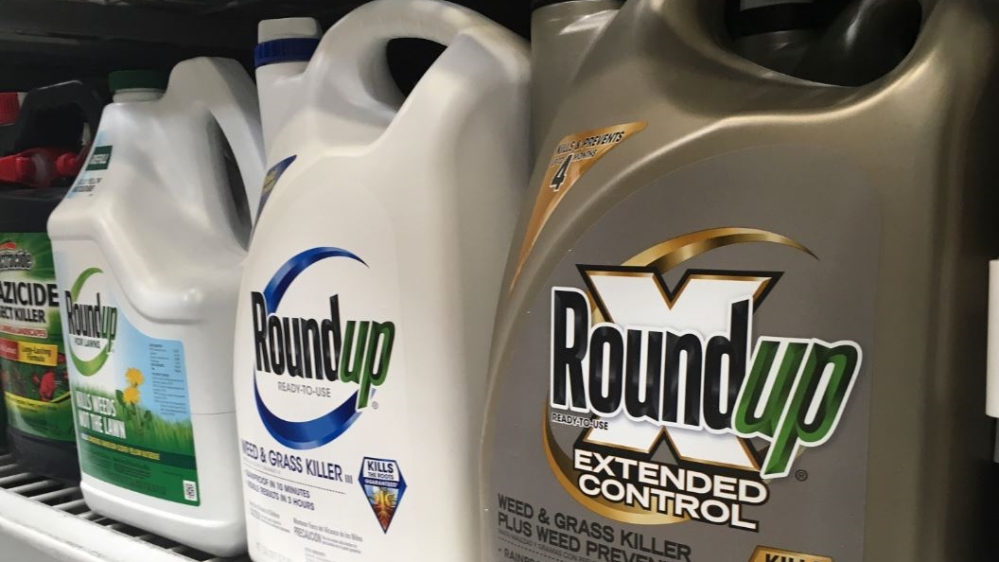
The US Supreme Court has limited the scope of cancer lawsuits against Bayer's Roundup weedkiller, delivering a significant legal victory to the company and potentially blocking tens of thousands of claims from proceeding under state law.
More than 100,000 plaintiffs had filed cases in both state and federal courts alleging that glyphosate, the active ingredient in Roundup, caused their cancer. The Supreme Court's decision scales back how many of those suits can move forward, narrowing the legal avenue that most plaintiffs had relied on to pursue compensation.
The core question before the court was whether state-level failure-to-warn claims could stand when the US Environmental Protection Agency has reviewed glyphosate and not required a cancer warning on labels. The court's ruling curtails those state claims, applying a federal preemption argument: that EPA regulatory approval can shield a company from certain state-court liability.
This is a meaningful legal shift. Before this ruling, plaintiffs could argue in state court that Bayer failed to warn consumers about cancer risk, even if the EPA had not mandated such a warning. That gap between federal regulatory silence and state tort law was the engine driving the bulk of Roundup litigation. The Supreme Court has now narrowed that gap considerably.
Bayer, which acquired Roundup maker Monsanto in 2018, had faced enormous legal exposure. The company had already paid billions of dollars to settle earlier Roundup cases and had been fighting to limit further liability ever since. A ruling that cuts off a large category of state claims directly reduces that exposure and removes a major source of uncertainty from Bayer's balance sheet.
For the 100,000-plus plaintiffs still in the pipeline, the ruling does not automatically dismiss every case. Federal court claims and suits that do not rely on the failure-to-warn theory may still proceed, depending on how courts interpret and apply the decision. But the decision removes what had been the most widely used legal theory, which is likely to force many plaintiffs and their attorneys to reassess whether their cases can survive.
The practical effect is a significant thinning of the litigation. Mass tort cases like this one live or die on the strength of a shared legal theory. Once the dominant theory is restricted, plaintiff law firms face higher hurdles to consolidate cases and pursue efficient resolution, and settlement leverage weakens on their side.
For Bayer, the ruling provides breathing room but not a complete escape. Glyphosate remains one of the most widely used herbicides in the world, and scientific debate over its cancer link has not been resolved by this court decision. The EPA maintains that glyphosate is not likely carcinogenic to humans when used as directed. The International Agency for Research on Cancer, a World Health Organization body, classified it as a probable human carcinogen in 2015. That scientific dispute will continue regardless of the legal outcome.
Investors and analysts tracking Bayer will read this ruling as a material positive. The company's stock and credit profile had been weighed down for years by the open-ended nature of the Roundup liability. Reducing the volume of viable claims directly improves the outlook for how much Bayer may ultimately owe, and it gives management more room to plan without the shadow of potentially unlimited jury verdicts in state courts.
The decision also sets a broader precedent for how federal regulatory approval interacts with state-level personal injury claims. Other industries where federal agencies set safety and labeling standards, including pharmaceuticals, pesticides, and consumer products, will be watching closely. If EPA approval can preempt state failure-to-warn claims in the Roundup context, similar arguments could be made in future litigation across those sectors.
The next steps to watch include how lower courts apply the ruling to the remaining cases, whether Congress responds with legislation to clarify the boundary between federal preemption and state tort rights, and whether Bayer moves to settle the surviving claims at a lower cost given its improved legal position.
Qatar's foreign ministry said mediators including Qatar, Pakistan, and Oman have reached "very progressive stages" in efforts to end the US-Iran war, pushing Brent crude down more than four percent.
Qatar confirmed it is mediating between the US and Iran but said no direct talks are currently planned. The clarification follows conflicting statements from President Trump, who claimed talks are under way, and Tehran, which denied any dialogue is happening.
Saudi Aramco reported sharply higher second-quarter 2026 profits as the Iran war restricts global oil supply and pushes crude prices up. Other oil supermajors also posted outsized earnings, raising concerns about sustained fuel cost pressure for importing economies.
President Trump called current Iran negotiations the "last chance" to end five months of conflict, pushing oil prices higher. Tehran denied formal talks are taking place, raising the risk of a diplomatic breakdown with direct consequences for global energy markets.