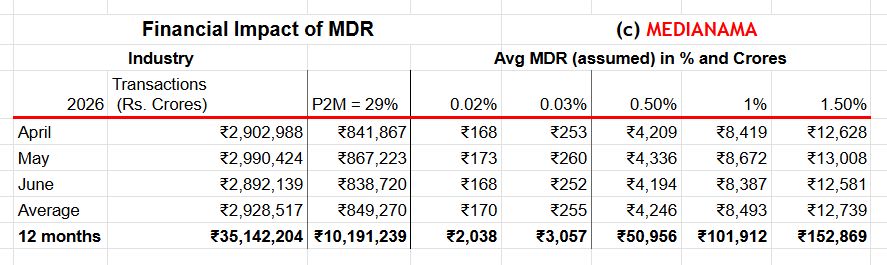
India to Restore UPI Merchant Fees, PhonePe Gains Most
India's government plans to amend the Payment and Settlement Systems Act to restore UPI merchant discount rates, ending the zero-MDR regime in place since January 2020.
Key Takeaways
June 9, 2026 · 3 min read · By Rishabh Bhardwaj
·
AI-assisted, human-reviewed · Our editorial standards
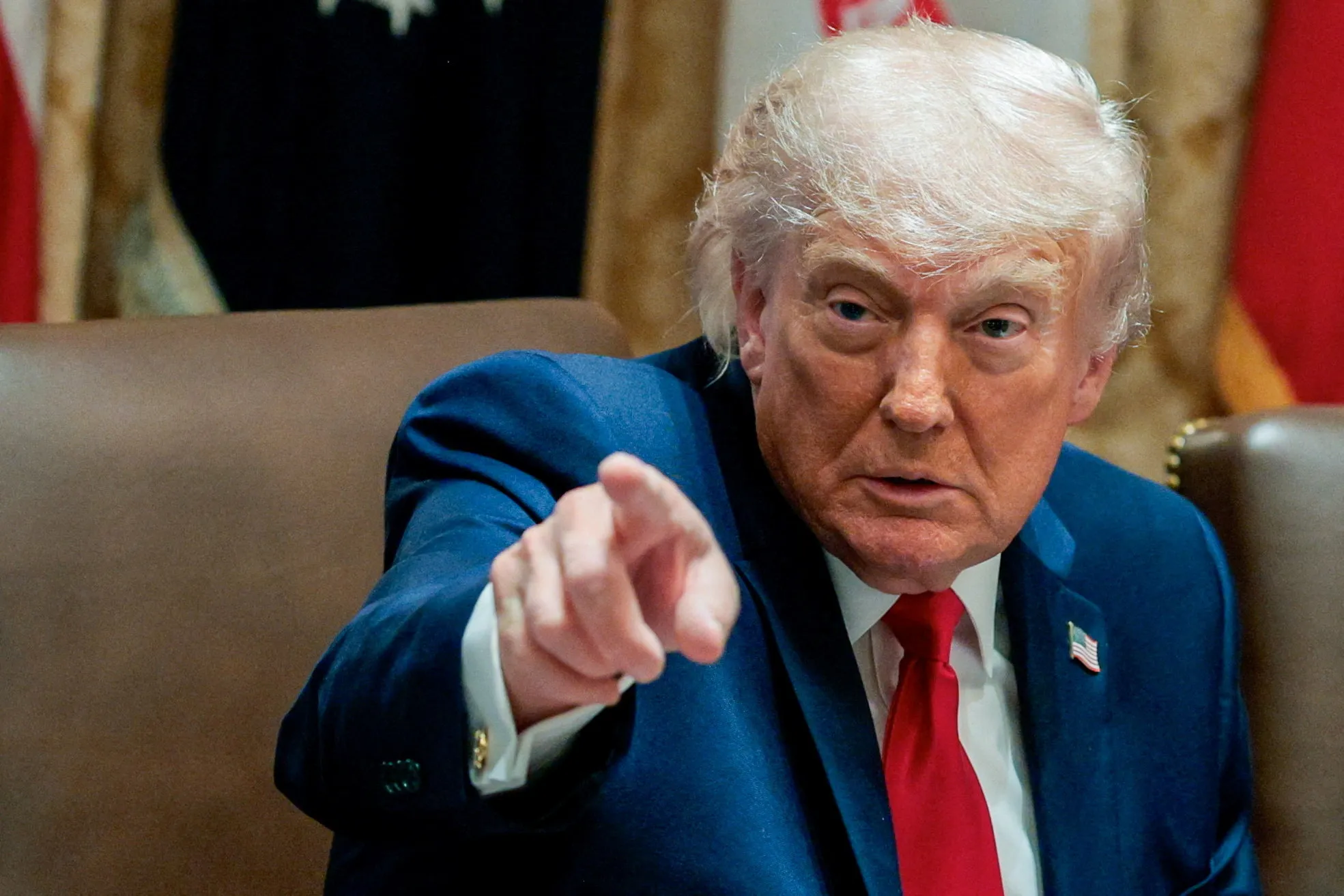
A federal judge has struck down a $100,000 fee that the Trump administration imposed on H-1B visa applications, ruling that the charge amounted to a tax and that the president lacked the authority to impose it unilaterally.
The H-1B visa is a work permit used by US employers to hire skilled foreign workers, most commonly in technology, engineering, and healthcare. It is one of the most heavily used pathways for Indian professionals to work in the United States, with Indian nationals receiving the large majority of H-1B approvals each year.
The fee in question was not a routine administrative charge. The judge's ruling classified it as a tax, which is a significant legal distinction. Under the US Constitution, only Congress has the power to impose taxes. An executive order or agency rule cannot create a tax without legislative backing. That is the constitutional wall the Trump administration ran into here.
A $100,000 surcharge on top of existing H-1B filing costs would have dramatically raised the price of hiring a skilled foreign worker. Current base fees already run into several thousand dollars when including legal costs and standard government charges. A six-figure addition would have pushed the total cost of sponsoring a single H-1B worker well beyond the reach of smaller companies and startups, while making large technology firms recalculate the economics of offshore-to-onsite transfers.
Critics of the fee argued it was designed less as a revenue measure and more as a deterrent, intended to reduce the number of H-1B applications by making the process prohibitively expensive. Supporters of the administration argued it would protect American workers by discouraging companies from using the visa program to replace domestic employees with cheaper foreign labor.
The court did not weigh those policy arguments. It focused narrowly on who had the legal power to impose the charge, and concluded the answer was Congress, not the president.
The immediate effect is that the $100,000 fee cannot be collected or enforced. Employers who were holding back applications due to the cost now face a lower financial barrier to filing. For Indian technology workers and their employers, this removes a significant obstacle that had clouded hiring and relocation plans.
The ruling does not permanently close the door on higher H-1B fees. Congress retains the power to legislate new charges, and the administration could pursue that route. What it cannot do, based on this ruling, is impose fee increases of this kind through executive action alone.
The decision also adds to a broader pattern of federal courts pushing back on executive actions related to immigration and visa policy during the Trump administration. Courts have increasingly scrutinized whether specific actions fell within existing statutory authority or required fresh legislation.
For businesses that rely on H-1B workers, the ruling provides short-term relief, but the underlying policy environment remains uncertain. The administration may appeal the decision or seek a legislative path to similar restrictions. Companies with active H-1B pipelines would be wise to monitor both the appeals process and any new congressional proposals on visa fees before treating this ruling as a settled outcome.
India's government plans to amend the Payment and Settlement Systems Act to restore UPI merchant discount rates, ending the zero-MDR regime in place since January 2020.
India's government has introduced the Taxation and Other Laws (Amendment) Bill, 2026, proposing changes to payments regulation, income tax, and the Finance Act to attract FDI and support Make in India. The Bill's final shape will depend on parliamentary debate and committee review.
The government's Taxation and Other Laws (Amendment) Bill, 2026, proposes to replace the blanket UPI MDR ban with a system allowing the Centre to notify which payment modes stay fee-free.
Prime Minister Narendra Modi inaugurated the Rs 5,000 crore Bhogapuram greenfield airport in Andhra Pradesh, built under a public-private partnership model. He also laid foundation stones for infrastructure projects worth nearly Rs 18,000 crore in the state, signalling a broad investment push for the region.