A US government shutdown has disrupted security planning for the 2026 FIFA World Cup, according to a Department of Homeland Security official. The disclosure signals that the funding lapse is creating tangible operational gaps in preparation for one of the largest sporting events ever hosted on US soil, which spans multiple American cities alongside venues in Canada and Mexico. World Cup security coordination is a multi-agency undertaking involving DHS, the Secret Service, FBI, local law enforcement, and international partners. A shutdown halts or curtails federal agency operations, delays interagency planning sessions, and can furlough personnel responsible for threat assessments, venue security design, and coordination with foreign governments. The 2026 tournament carries elevated security complexity given its tri-nation format and the sheer volume of international visitors expected, making early planning timelines critical. Delays now compress the runway for training exercises, intelligence sharing protocols, and physical security infrastructure decisions. The immediate question is how long the shutdown persists and whether Congress acts before planning gaps widen into structural deficits that cannot easily be reversed. Oversight committees and tournament organizers will be watching DHS capacity closely in the weeks ahead.
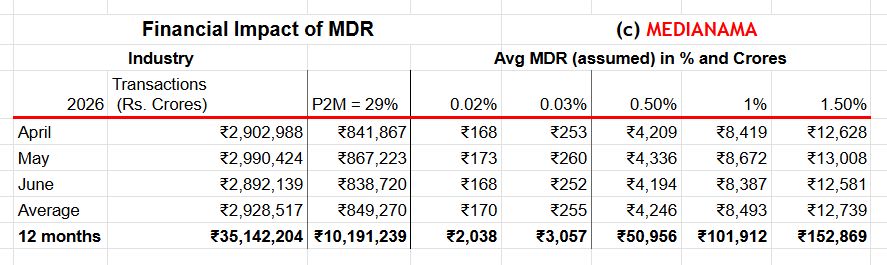
India's government plans to amend the Payment and Settlement Systems Act to restore UPI merchant discount rates, ending the zero-MDR regime in place since January 2020.
India's government has introduced the Taxation and Other Laws (Amendment) Bill, 2026, proposing changes to payments regulation, income tax, and the Finance Act to attract FDI and support Make in India. The Bill's final shape will depend on parliamentary debate and committee review.
The government's Taxation and Other Laws (Amendment) Bill, 2026, proposes to replace the blanket UPI MDR ban with a system allowing the Centre to notify which payment modes stay fee-free.
Prime Minister Narendra Modi inaugurated the Rs 5,000 crore Bhogapuram greenfield airport in Andhra Pradesh, built under a public-private partnership model. He also laid foundation stones for infrastructure projects worth nearly Rs 18,000 crore in the state, signalling a broad investment push for the region.