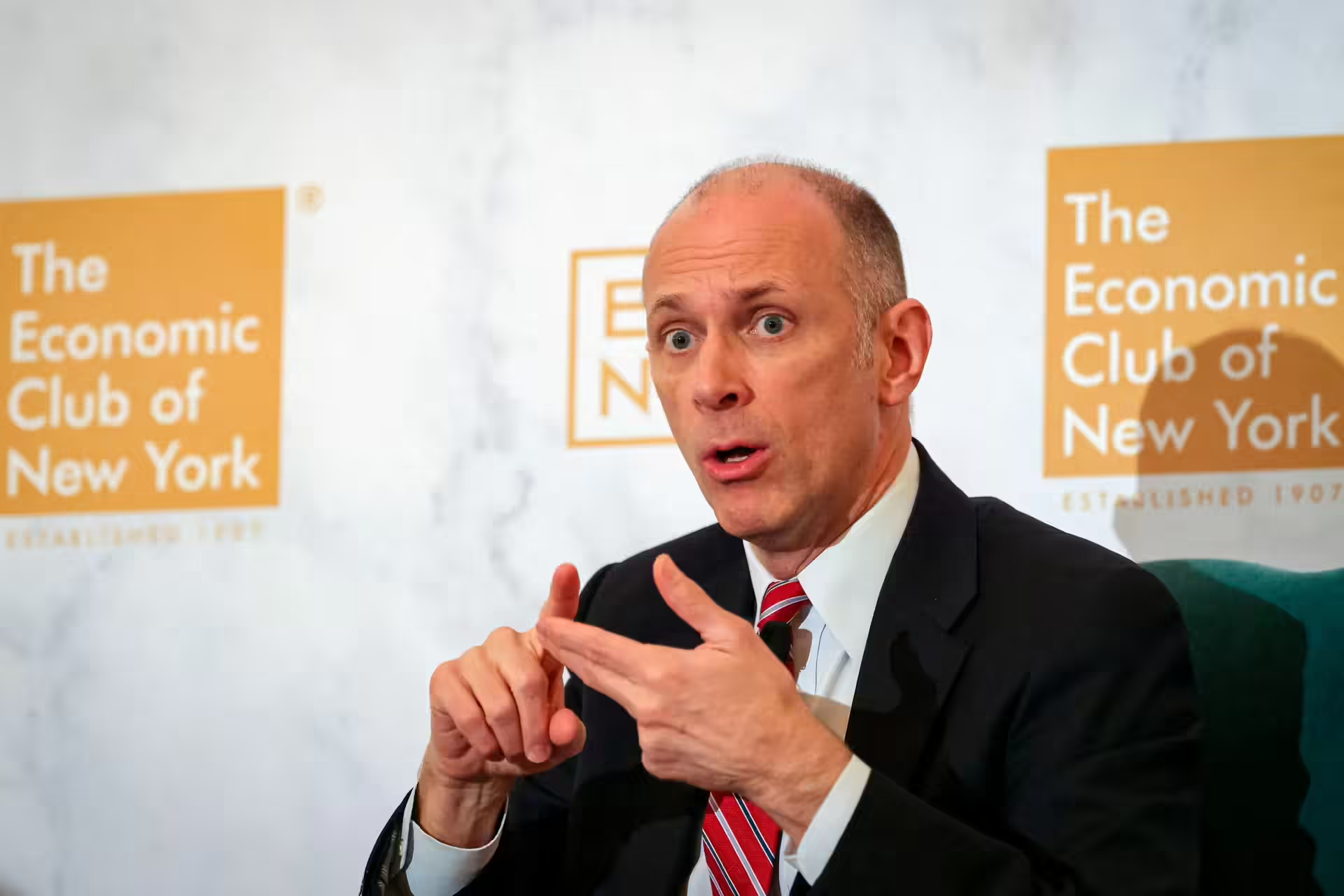
Cleveland Federal Reserve President Beth Hammack said interest rates are likely to stay where they are for a long time, pointing to persistent inflation and a broad sense of economic uncertainty as the main reasons to hold off on cuts.
Her comments suggest the Fed is in no hurry to ease monetary policy, even as markets and businesses wait for relief from high borrowing costs. The phrase "quite some time" is deliberately open-ended, but it signals the Fed's internal threshold for cutting rates remains well above where conditions currently stand.
The Inflation Mindset Problem
Hammack's sharpest concern is what she called an "inflationary mindset" taking hold among consumers and businesses. This is the idea that people start expecting prices to keep rising and then act on that expectation, by demanding higher wages, raising prices early, or locking in purchases ahead of time. Once that behavior becomes habit, it makes inflation harder to bring down even if the original causes fade.
She backed this concern with a striking framing: Americans have experienced roughly a decade's worth of price increases compressed into just five years. That kind of compression leaves lasting marks on how people think about money, spending, and contracts, exactly what central bankers worry about when they talk about inflation "becoming entrenched."
What This Means for Rates and Markets
When a Fed official says rates will be on hold for an extended period, it has direct consequences for borrowing costs across the economy. Mortgage rates, business loans, and credit card rates all stay elevated longer. Companies planning capital investment face higher financing costs. Bond markets reprice based on how long the Fed is expected to stay put.
Hammack's tone also matters because it pushes back against any market expectation of near-term rate cuts. If investors were pricing in relief later this year, comments like these shift that timeline further out.
Watch for whether other Fed officials echo this language in upcoming appearances, and whether inflation data in the coming months gives the Fed any room to soften its stance.