Cleveland Fed President Beth Hammack signaled Wednesday that interest rates are likely to stay unchanged for an extended period, telling CNBC that no imminent policy move is warranted in either direction. She left the door open to both cuts and hikes depending on how conditions evolve, a stance that reinforces the Fed's current wait-and-see posture. The comments reflect persistent uncertainty about the inflation and growth outlook, with policymakers unwilling to commit to a easing path despite market expectations that have repeatedly front-run rate cuts. For rate-sensitive markets, Hammack's framing of 'a good while' on hold compresses near-term repricing opportunities and pushes out the timeline for meaningful Fed accommodation. Investors and credit markets will be watching upcoming inflation data and Fed communications closely to gauge whether the balance of risks is shifting toward cuts or whether a re-acceleration in prices could put hikes back on the table.
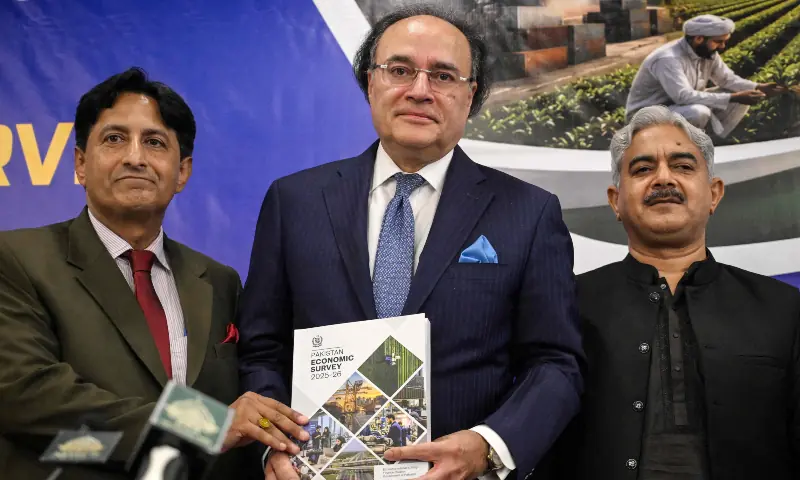
Pakistan's economy grew 3.7 percent in FY2026, its fastest rate in four years, according to the Pakistan Economic Survey presented by Finance Minister Muhammad Aurangzeb. Growth beat last year's 3.18 percent but missed the 4.2 percent target, with floods, regional conflict, and weaker food exports cited as key drags.
The Union government released an additional Rs 1,09,019 crore in tax devolution to states on August 1, 2026, separate from the regular monthly transfer. The lump-sum release aims to accelerate state capital spending in the July-September quarter, with Uttar Pradesh, Bihar, and Madhya Pradesh among the top recipients.
US mortgage rates have risen to a one-year high as markets weigh Federal Reserve rate uncertainty and Middle East conflict-driven inflation fears. Higher rates increase monthly payments for new buyers and are likely to further suppress housing market activity and refinancing.
Pakistan's Sensitive Price Index rose 13.52 percent year on year for the week ending July 2, 2026, marking 45 consecutive weeks of annual gains. Electricity up 49 percent, wheat flour up 68 percent, and LPG up 44 percent year on year are the main drivers.