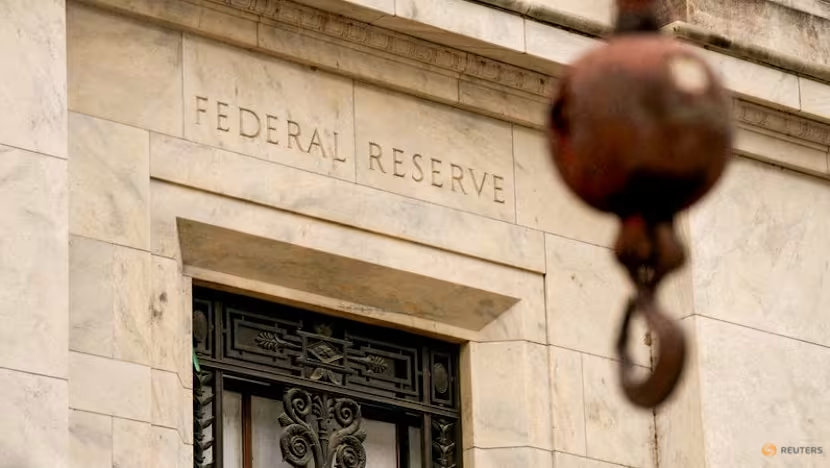
Neel Kashkari, president of the Federal Reserve Bank of Minneapolis, has said the Fed may need to raise interest rates further if the Middle East conflict pushes inflation higher. Speaking publicly, Kashkari said a series of rate hikes "could be warranted" depending on how the situation develops.
This is a notable signal coming from a Fed official. After a rapid tightening cycle that brought rates to their highest level in decades, markets had begun pricing in rate cuts as the next move. Kashkari's comments push back against that assumption, at least conditionally.
Why the Middle East Matters for US Inflation
The link runs through energy. Conflict in the Middle East can disrupt oil supply routes or spook energy markets, pushing up crude prices. Higher oil costs feed directly into fuel prices and indirectly into the cost of goods and services across the economy. If that kind of price pressure builds, the Fed's job of keeping inflation under control gets harder.
Kashkari is not predicting this outcome, he is flagging it as a risk scenario. The phrase "could be warranted" is conditional language, not a commitment. But when a Fed official names a specific trigger for further hikes, markets pay close attention, since rate expectations drive borrowing costs, bond yields, and equity valuations.
What This Means for Rates and Markets
The Fed has kept rates elevated to bring inflation down toward its 2% target. Any fresh inflationary shock, from energy prices or elsewhere, would likely delay any rate cuts and could, as Kashkari suggests, revive the case for increases. That would mean higher costs for mortgages, business loans, and credit cards for longer.
For investors, the key question is whether Middle East tensions escalate enough to meaningfully move energy prices. If oil stays contained, Kashkari's scenario may not materialise. If supply disruptions widen, the Fed's calculus changes fast.
Watch for Fed commentary on inflation expectations and energy prices in the weeks ahead, as well as any shift in the fed funds futures market, which tracks where traders expect rates to go.