Turkey's Environment and Climate Change Minister Murat Kurum told Reuters that COP31, scheduled for November, will prioritize converting prior U.N. climate commitments into concrete action, with climate financing as the central agenda item. Turkey will host and chair the summit, giving Ankara a significant role in shaping the negotiating agenda and outcome documents. Climate financing has been a persistent fault line in U.N. climate talks, with developing nations pressing wealthy economies for larger and more reliable capital flows to fund mitigation and adaptation. The Turkish presidency's stated focus on implementation over new pledges signals an intent to hold parties accountable to existing commitments rather than layer on additional targets. Observers will watch whether Turkey can broker consensus on financing mechanisms that have repeatedly stalled, and whether major emitters and donor nations show up with credible capital commitments ahead of the summit.
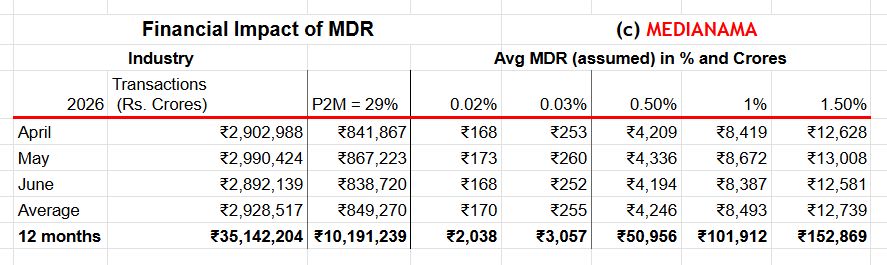
India's government plans to amend the Payment and Settlement Systems Act to restore UPI merchant discount rates, ending the zero-MDR regime in place since January 2020.
India's government has introduced the Taxation and Other Laws (Amendment) Bill, 2026, proposing changes to payments regulation, income tax, and the Finance Act to attract FDI and support Make in India. The Bill's final shape will depend on parliamentary debate and committee review.
The government's Taxation and Other Laws (Amendment) Bill, 2026, proposes to replace the blanket UPI MDR ban with a system allowing the Centre to notify which payment modes stay fee-free.
Prime Minister Narendra Modi inaugurated the Rs 5,000 crore Bhogapuram greenfield airport in Andhra Pradesh, built under a public-private partnership model. He also laid foundation stones for infrastructure projects worth nearly Rs 18,000 crore in the state, signalling a broad investment push for the region.