India to Restore UPI Merchant Fees, PhonePe Gains Most
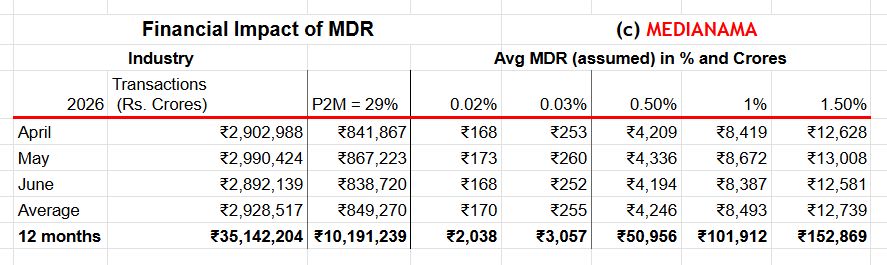
India's government plans to amend the Payment and Settlement Systems Act to restore UPI merchant discount rates, ending the zero-MDR regime in place since January 2020.
Key Takeaways
May 1, 2026 · 2 min read · By Rishabh Bhardwaj
·
AI-assisted, human-reviewed · Our editorial standards
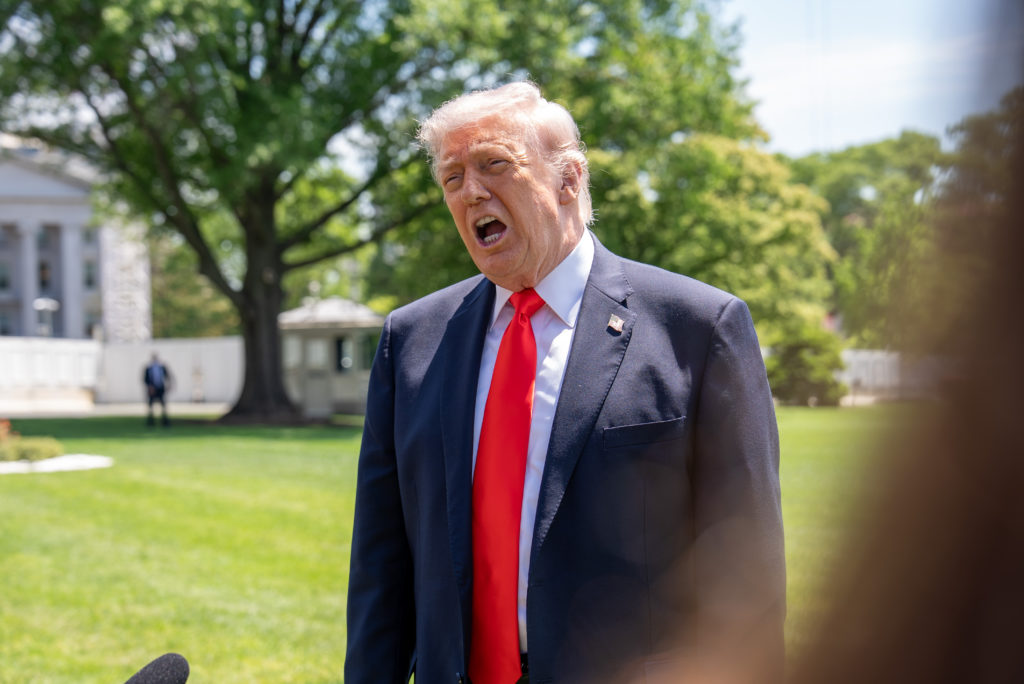
President Donald Trump told Congress that a legal deadline requiring legislative approval to continue military hostilities against Iran does not apply, because, in his view, the hostilities have already ended.
The claim matters because the War Powers Resolution sets a strict clock on any president who commits U.S. forces to combat without a congressional declaration of war. Under that law, the president must notify Congress within 48 hours and, unless Congress authorizes the action, must halt operations within 60 days. By declaring hostilities "terminated," Trump is arguing the clock stops and no vote is needed.
In a letter to Congress, Trump stated that the hostilities have "terminated", a word choice that carries legal weight under the War Powers Resolution framework. But the same letter also signaled the situation with Iran remains unsettled, making clear that conflict could resume. That combination, a formal legal declaration of termination alongside language suggesting the dispute is unresolved, puts Congress in an awkward position.
Lawmakers who want oversight of any future military action would need to push back actively, either by passing a resolution requiring withdrawal of forces or by demanding a new war powers notification if hostilities restart. Historically, Congress has rarely succeeded in forcing a president's hand on war powers questions, and courts have generally declined to intervene.
The practical effect of Trump's position is that the executive branch retains maximum flexibility. If the administration decides to strike Iran again, it could argue a fresh 60-day window begins only at that point, resetting the clock rather than facing an expired one. Critics of broad presidential war powers would argue this interpretation renders the War Powers Resolution largely unenforceable.
The tension between the letter's legal declaration and its cautionary tone about Iran's future behavior is the key detail to watch. If military action resumes, the administration's argument that hostilities had genuinely "terminated" will face immediate legal and political scrutiny on Capitol Hill.
India's government plans to amend the Payment and Settlement Systems Act to restore UPI merchant discount rates, ending the zero-MDR regime in place since January 2020.
India's government has introduced the Taxation and Other Laws (Amendment) Bill, 2026, proposing changes to payments regulation, income tax, and the Finance Act to attract FDI and support Make in India. The Bill's final shape will depend on parliamentary debate and committee review.
The government's Taxation and Other Laws (Amendment) Bill, 2026, proposes to replace the blanket UPI MDR ban with a system allowing the Centre to notify which payment modes stay fee-free.
Prime Minister Narendra Modi inaugurated the Rs 5,000 crore Bhogapuram greenfield airport in Andhra Pradesh, built under a public-private partnership model. He also laid foundation stones for infrastructure projects worth nearly Rs 18,000 crore in the state, signalling a broad investment push for the region.