India to Restore UPI Merchant Fees, PhonePe Gains Most
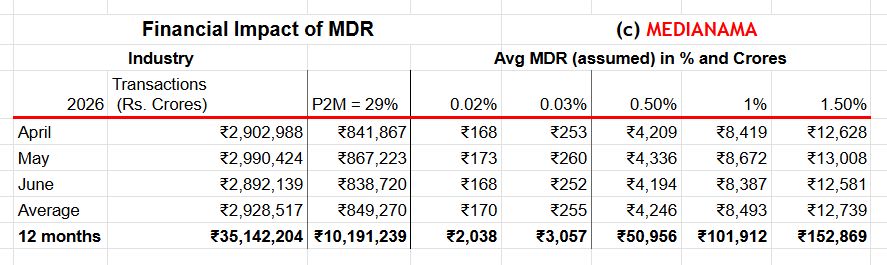
India's government plans to amend the Payment and Settlement Systems Act to restore UPI merchant discount rates, ending the zero-MDR regime in place since January 2020.
Key Takeaways
July 10, 2026 · 4 min read · By Rishabh Bhardwaj
·
AI-assisted, human-reviewed · Our editorial standards
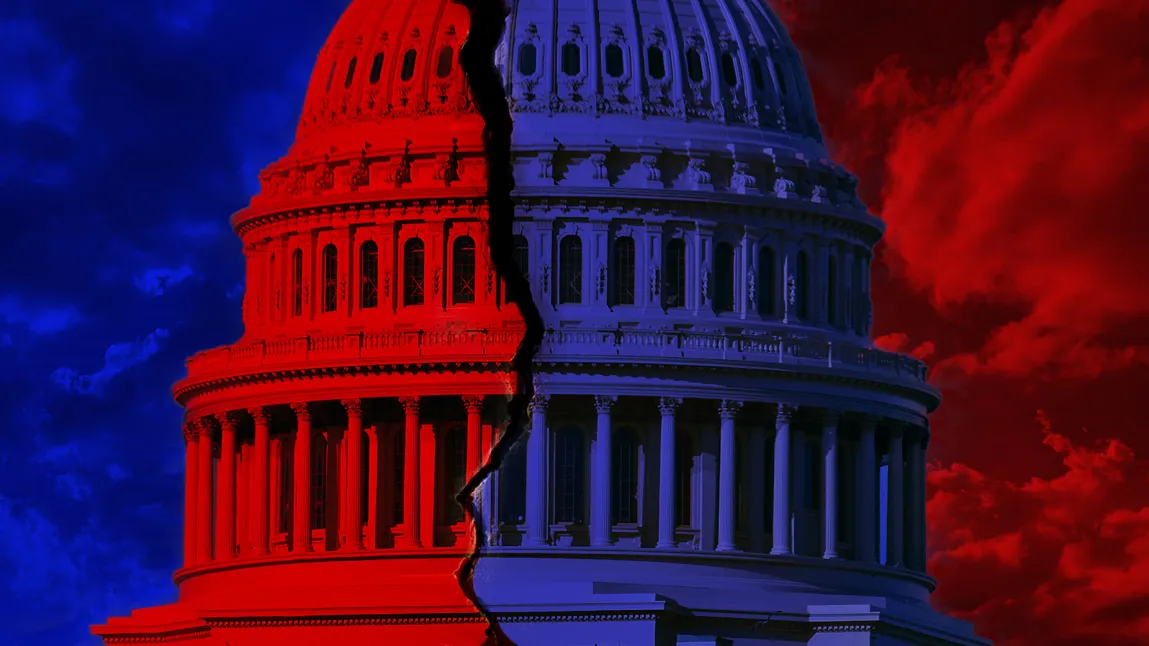
President Donald Trump has removed all three remaining members of the Election Assistance Commission, the federal agency responsible for setting voting system standards across the country, leaving it without any commissioners ahead of the 2026 midterm elections.
According to multiple sources familiar with the matter, Trump fired the two Democratic commissioners, Benjamin Hovland and Thomas Hicks. The Republican commissioner, Christy McCormick, was allowed to resign. The fourth seat had already been vacant since Don Palmer, a Republican, resigned in April 2026. The EAC now has no sitting members at all.
The Election Assistance Commission was created by Congress in 2003 to do a specific job: set technical standards for state voting systems and distribute federal funding for election infrastructure upgrades. Its four-member board is deliberately designed to be evenly split between Republicans and Democrats, with members nominated by the president on the recommendation of congressional leaders and confirmed by the Senate. That bipartisan structure was a feature, not a bug. The agency often reached unanimous decisions despite its partisan composition.
Clearing the board gives Trump the ability to nominate replacements who may be more willing to act on his election priorities. In March 2025, Trump issued an executive order directing the EAC to revise the national voter registration form to require documentary proof of U.S. citizenship, rather than the current system where voters attest to citizenship under penalty of perjury. The Trump-aligned law firm America First Legal had formally petitioned the EAC to make that change. The agency posted a public comment notice and received hundreds of thousands of responses, but never held a vote on the matter before its members were removed.
A White House official declined to confirm the specific firings but told ProPublica that the president "reserves the right to remove individuals that may not be totally aligned with the important task of securing America's elections and ensuring every legal vote is counted." The official added that the administration has been working across agencies to "safeguard elections from fraud and abuse" ahead of the midterms.
Hovland declined to comment on his firing. Hicks and McCormick did not immediately respond to requests for comment.
Voter advocacy groups and Democratic state election officials reacted quickly. Cisco Aguilar, Nevada's secretary of state and chair of the Democratic Association of Secretaries of State, called the move "reckless and irresponsible" and said the burden of filling the gap would fall on secretaries of state and local administrators. The Bipartisan Policy Center described the departures as a "significant loss" for one of the few federal institutions explicitly built around bipartisan governance.
The practical concern is concrete. The EAC is the primary federal body that certifies voting equipment and publishes technical guidelines that states rely on when purchasing or updating systems. Without commissioners, the agency cannot hold votes, approve new voting machine standards, or formally act on the citizenship proof proposal or any other pending matter. State and local election officials, who are already managing tight budgets and staffing pressures heading into a midterm cycle, lose a key source of technical guidance and funding coordination.
The commission has had a troubled record, marked by chronic vacancies, underfunding, and partisan gridlock. But in recent years it had made measurable progress, passing updated standards for voting machines and publishing new resources for election administrators. That momentum now stalls.
What comes next depends on whether Trump moves quickly to nominate new commissioners and whether the Senate confirms them before the midterm election calendar tightens. A fully reconstituted board aligned with the administration's priorities could clear the way for the citizenship documentation requirement on voter registration forms, a change that would have significant downstream effects on how millions of Americans register to vote across nearly every state.
India's government plans to amend the Payment and Settlement Systems Act to restore UPI merchant discount rates, ending the zero-MDR regime in place since January 2020.
India's government has introduced the Taxation and Other Laws (Amendment) Bill, 2026, proposing changes to payments regulation, income tax, and the Finance Act to attract FDI and support Make in India. The Bill's final shape will depend on parliamentary debate and committee review.
The government's Taxation and Other Laws (Amendment) Bill, 2026, proposes to replace the blanket UPI MDR ban with a system allowing the Centre to notify which payment modes stay fee-free.
Prime Minister Narendra Modi inaugurated the Rs 5,000 crore Bhogapuram greenfield airport in Andhra Pradesh, built under a public-private partnership model. He also laid foundation stones for infrastructure projects worth nearly Rs 18,000 crore in the state, signalling a broad investment push for the region.