The Trump administration announced Friday that firing squads are now a permitted method of execution in federal death penalty cases. The change reinstates an option that had not been used at the federal level in modern times, expanding the methods available to carry out capital punishment beyond lethal injection. The federal government resumed executions under Trump's first term after a 17-year pause, and the administration has signaled an aggressive posture on capital punishment going into his second term. Lethal injection has faced repeated legal challenges over drug availability and protocols, which has stalled executions in many jurisdictions. Allowing firing squads gives federal authorities an alternative method that is less dependent on pharmaceutical supply chains. The policy applies to federal cases, meaning it affects prisoners on federal death row rather than those held under state jurisdiction. Each state sets its own rules, and some already permit firing squads. Legal challenges to the new federal policy are likely, as opponents argue execution method choices raise constitutional questions under the Eighth Amendment's prohibition on cruel and unusual punishment. Watch for court filings contesting the policy and whether any scheduled federal executions move forward under the new rules.
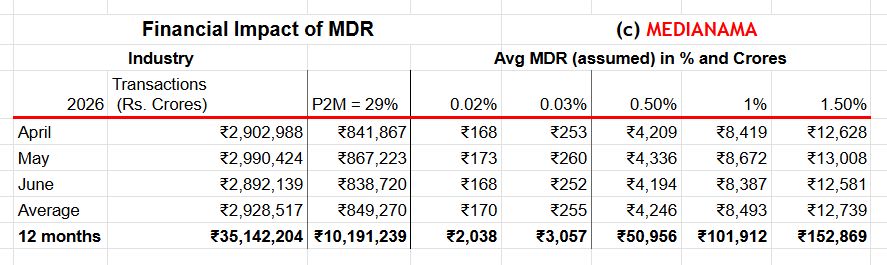
India's government plans to amend the Payment and Settlement Systems Act to restore UPI merchant discount rates, ending the zero-MDR regime in place since January 2020.
India's government has introduced the Taxation and Other Laws (Amendment) Bill, 2026, proposing changes to payments regulation, income tax, and the Finance Act to attract FDI and support Make in India. The Bill's final shape will depend on parliamentary debate and committee review.
The government's Taxation and Other Laws (Amendment) Bill, 2026, proposes to replace the blanket UPI MDR ban with a system allowing the Centre to notify which payment modes stay fee-free.
Prime Minister Narendra Modi inaugurated the Rs 5,000 crore Bhogapuram greenfield airport in Andhra Pradesh, built under a public-private partnership model. He also laid foundation stones for infrastructure projects worth nearly Rs 18,000 crore in the state, signalling a broad investment push for the region.