India to Restore UPI Merchant Fees, PhonePe Gains Most
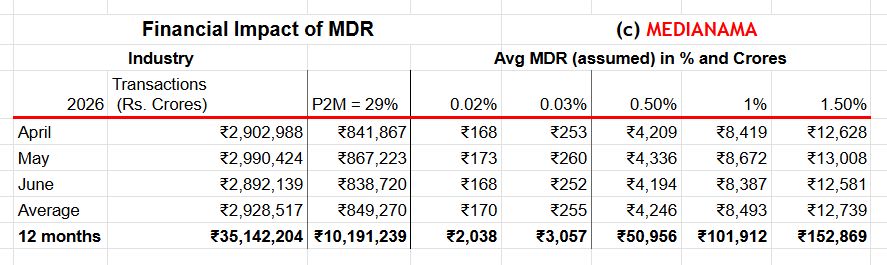
India's government plans to amend the Payment and Settlement Systems Act to restore UPI merchant discount rates, ending the zero-MDR regime in place since January 2020.
Key Takeaways
July 9, 2026 · 5 min read · By Rishabh Bhardwaj
·
AI-assisted, human-reviewed · Our editorial standards
Deportations of immigrants who entered the United States as unaccompanied minors have tripled under President Donald Trump's second term, according to a first-of-its-kind analysis of Immigration and Customs Enforcement data. Immigration courts, which report to the Justice Department, have issued more than 10,000 removal or voluntary departure orders per month for immigrant minors, a rate nearly four times higher than during Trump's first term. The vast majority of those removed had no criminal history in the United States.
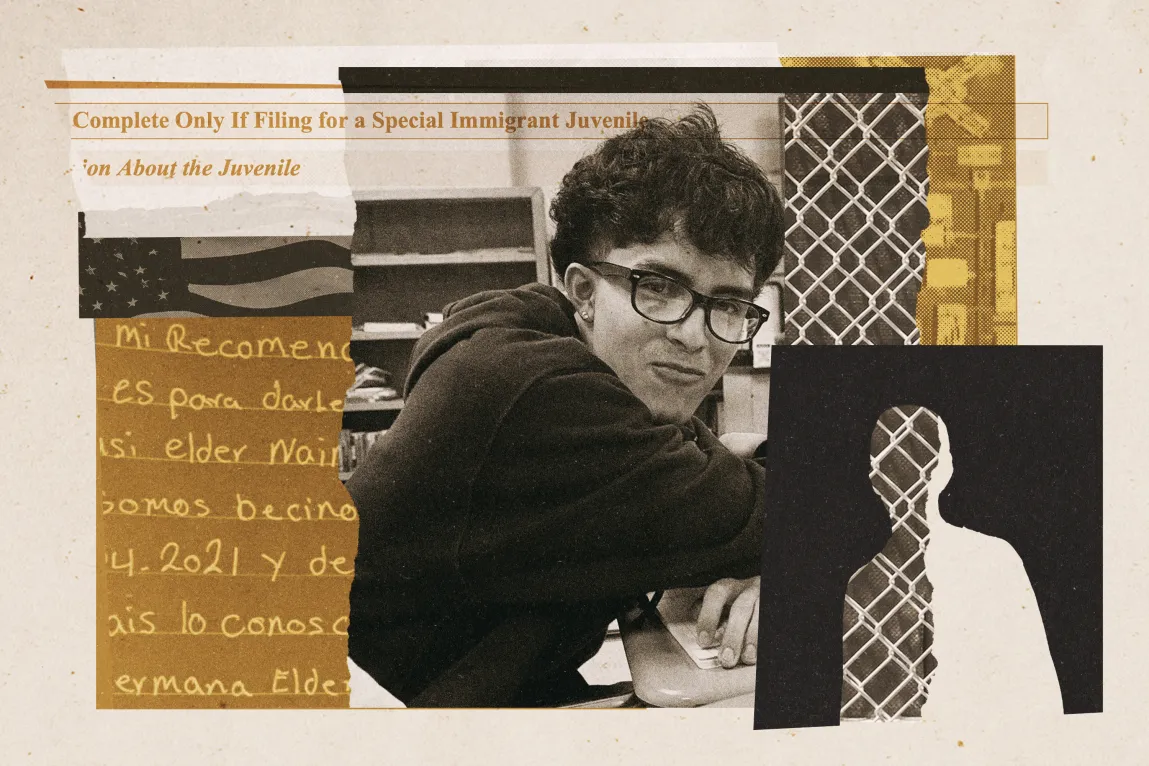
The story of Elder Chavez puts a human face on those numbers. Chavez crossed the border alone from Honduras at 14, was granted Special Immigrant Juvenile Status (SIJ), enrolled in high school in Alabama, and was working toward permanent residency. In December, Alabama state police pulled him over for driving 15 mph over the speed limit and without a license. Once officers confirmed he was an immigrant, they called ICE. He has been held at Louisiana's Winn Correctional Center for six months and faces deportation, despite his pending appeal and a habeas petition.
SIJ is a legal status Congress created specifically for immigrants under 21 who can prove in family court that they were abused, neglected, or abandoned by at least one parent. It does not, on its own, grant lawful permanent residence. A Biden-era "deferred action" policy had shielded SIJ holders from deportation while they waited, often years, for green cards to become available. The Trump administration ended that policy early in its second term. After advocacy groups sued, federal judges ordered the government to restore both funding for legal services and access to deferred action. U.S. Citizenship and Immigration Services said it would grant deferred action only under "compelling circumstances on a case-by-case basis."
The administration has also moved to defund advocacy groups that provide legal representation to unaccompanied minors, and federal agents reportedly visited Washington-area legal aid offices seeking client files without warrants. Some advocates say they still have not been paid funds courts ordered restored. The Department of Homeland Security has not responded to questions about the office visits.
Inside immigration courts, the pace of removal orders has accelerated sharply. In one April session in a New York courtroom, Judge Jem Sponzo issued deportation orders for 25 minors in roughly three hours, with some hearings lasting only minutes. An 8-year-old Ecuadorian girl whose mother had separately won asylum was ordered deported. Attorneys said they felt blindsided. Sponzo, citing instructions from court leadership, denied nearly every request for more time to build asylum or SIJ cases. Sponzo has since been fired, along with more than 100 other immigration judges since Trump returned to office. The Justice Department has not explained those firings.
Trump administration officials argue that programs for unaccompanied minors have been riddled with fraud and that their existence encouraged children to make dangerous border crossings. Officials point to roughly 450,000 unaccompanied minors who arrived under President Joe Biden, saying many were inadequately vetted and some were found working illegally or became victims of exploitation. A July 2025 government report cited by the administration said some 19,000 SIJ petitioners had criminal arrest records since 2013, including some with serious charges. White House spokesperson Abigail Jackson said Trump is "undoing the damage Biden did."
The ICE data underlying the ProPublica analysis was obtained through Freedom of Information Act requests and validated with outside experts, including researchers from the Transactional Records Access Clearinghouse and UCLA School of Law. A Department of Homeland Security spokesperson said the agency "could not verify the veracity" of the data without providing specifics.
Federal courts have been a significant counterweight. The National Immigration Project tracked 263 cases involving immigrants who entered as unaccompanied minors or SIJ applicants. Federal judges ordered releases or bond hearings in all but 12 of them since the start of Trump's second term. Among those released: Fredy Martinez, 20, a Honduran-born high school graduate in Texas who was detained while delivering a DoorDash order on his bike and held for eight months at an El Paso tent facility before a federal judge ruled his detention illegal. A Guatemalan teenager named Carlos, detained on his way to work at a car wash in New York despite having SIJ and deferred action, was freed after more than two months when a federal court intervened.
Conditions at Winn, where Chavez remains, have drawn scrutiny. A recent report by the DHS Office of Inspector General described leaking ceilings, dirty food preparation areas, and a prohibited choke hold used by a guard. Two migrants died at the facility earlier this year. DHS said it is working to address the issues and noted its "death rates are lower than most state prisons."
For Chavez, the months in detention have cost him half his junior year of high school. He missed a required English test and a history project deadline. Without regular adjustments, he worries his braces, paid for by his sister, will cause lasting damage. He missed the birth of a nephew. His appeal continues, and a small network of supporters, including his former cellmate Carlos Della Valle and Della Valle's wife Angela, have organized letter-writing campaigns and helped pay off his outstanding traffic tickets. "I had so many plans," Chavez said in a video call from detention. "But now everything is ruined."
India's government plans to amend the Payment and Settlement Systems Act to restore UPI merchant discount rates, ending the zero-MDR regime in place since January 2020.
India's government has introduced the Taxation and Other Laws (Amendment) Bill, 2026, proposing changes to payments regulation, income tax, and the Finance Act to attract FDI and support Make in India. The Bill's final shape will depend on parliamentary debate and committee review.
The government's Taxation and Other Laws (Amendment) Bill, 2026, proposes to replace the blanket UPI MDR ban with a system allowing the Centre to notify which payment modes stay fee-free.
Prime Minister Narendra Modi inaugurated the Rs 5,000 crore Bhogapuram greenfield airport in Andhra Pradesh, built under a public-private partnership model. He also laid foundation stones for infrastructure projects worth nearly Rs 18,000 crore in the state, signalling a broad investment push for the region.