India to Restore UPI Merchant Fees, PhonePe Gains Most
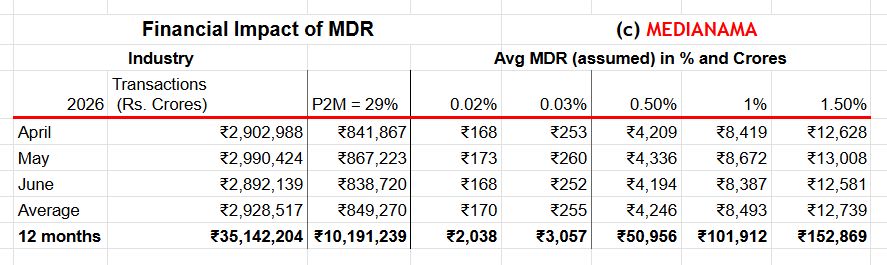
India's government plans to amend the Payment and Settlement Systems Act to restore UPI merchant discount rates, ending the zero-MDR regime in place since January 2020.
Key Takeaways
May 9, 2026 · 2 min read · By Rishabh Bhardwaj
·
AI-assisted, human-reviewed · Our editorial standards
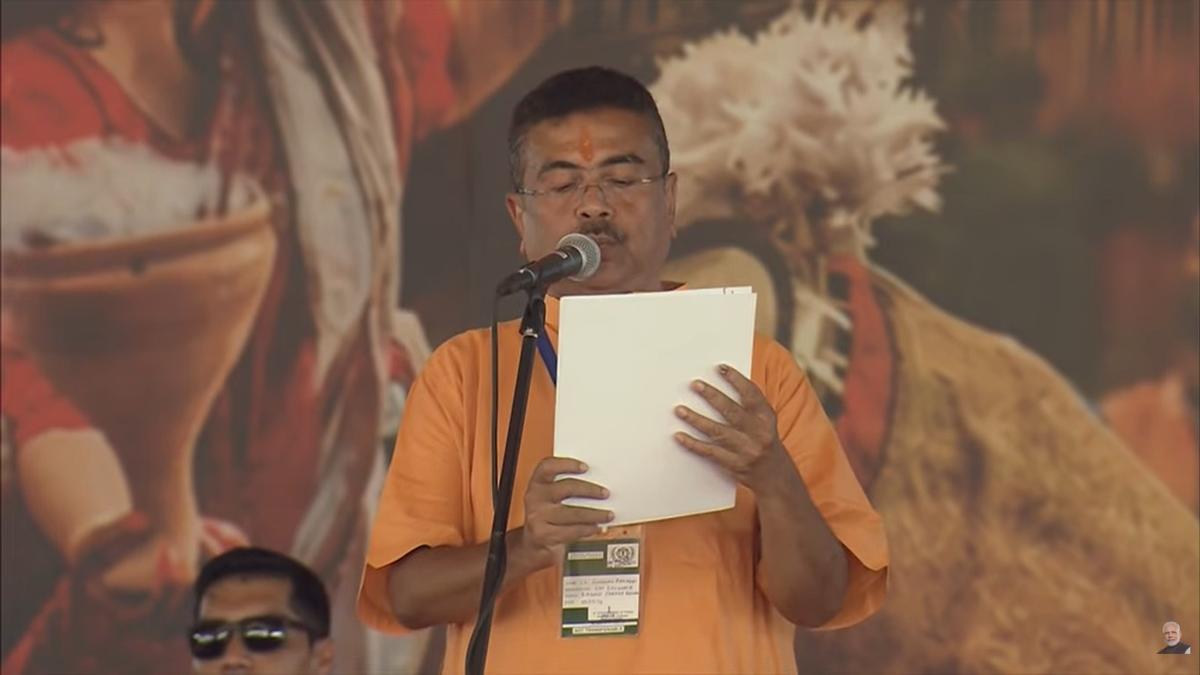
Suvendu Adhikari was sworn in as West Bengal's first BJP Chief Minister on Tuesday, ending the Trinamool Congress's long hold on the state. Governor R.N. Ravi administered the oath of office and secrecy at a ceremony attended by Prime Minister Narendra Modi, Union Ministers, Chief Ministers of NDA-ruled states, and senior BJP leaders. Five others were simultaneously sworn in as Ministers.
West Bengal has been governed by the Trinamool Congress under Mamata Banerjee since 2011. The BJP's victory marks the first time the party has won the state, turning one of India's most politically contested battlegrounds. The swearing-in drew the NDA's top leadership, signalling the national importance the BJP places on this win.
Adhikari is a well-known figure in Bengal politics. He was previously a senior TMC leader before switching to the BJP, and his presence at the top of the new government is significant, he was the party's main campaign face in the state and defeated Mamata Banerjee in the Nandigram constituency in the assembly election.
The formation of a BJP government in West Bengal shifts the political balance in eastern India in a meaningful way. The state has 42 Lok Sabha seats, the third highest in the country, making it a critical piece of any national electoral calculation. A BJP government in Kolkata also gives the party administrative control over a state it has long targeted as a priority.
For governance, the new administration inherits a state with significant fiscal challenges, including a high debt load and spending pressures. How the new cabinet chooses to manage state finances, law and order, and its relationship with the central government will be closely watched in the coming months.
The five ministers sworn in alongside Adhikari have not yet been publicly assigned portfolios. Cabinet portfolio allocation and the formation of a full ministry will be the immediate next step to watch.
India's government plans to amend the Payment and Settlement Systems Act to restore UPI merchant discount rates, ending the zero-MDR regime in place since January 2020.
India's government has introduced the Taxation and Other Laws (Amendment) Bill, 2026, proposing changes to payments regulation, income tax, and the Finance Act to attract FDI and support Make in India. The Bill's final shape will depend on parliamentary debate and committee review.
The government's Taxation and Other Laws (Amendment) Bill, 2026, proposes to replace the blanket UPI MDR ban with a system allowing the Centre to notify which payment modes stay fee-free.
Prime Minister Narendra Modi inaugurated the Rs 5,000 crore Bhogapuram greenfield airport in Andhra Pradesh, built under a public-private partnership model. He also laid foundation stones for infrastructure projects worth nearly Rs 18,000 crore in the state, signalling a broad investment push for the region.