Marvell Commits $250 Mn to India Chip Expansion
Marvell Technology will invest $250 million in India over three years, doubling its workforce and expanding offices in Bengaluru and Hyderabad to advance AI and cloud chip design.
Key Takeaways
May 7, 2026 · 2 min read · By Rishabh Bhardwaj
·
AI-assisted, human-reviewed · Our editorial standards
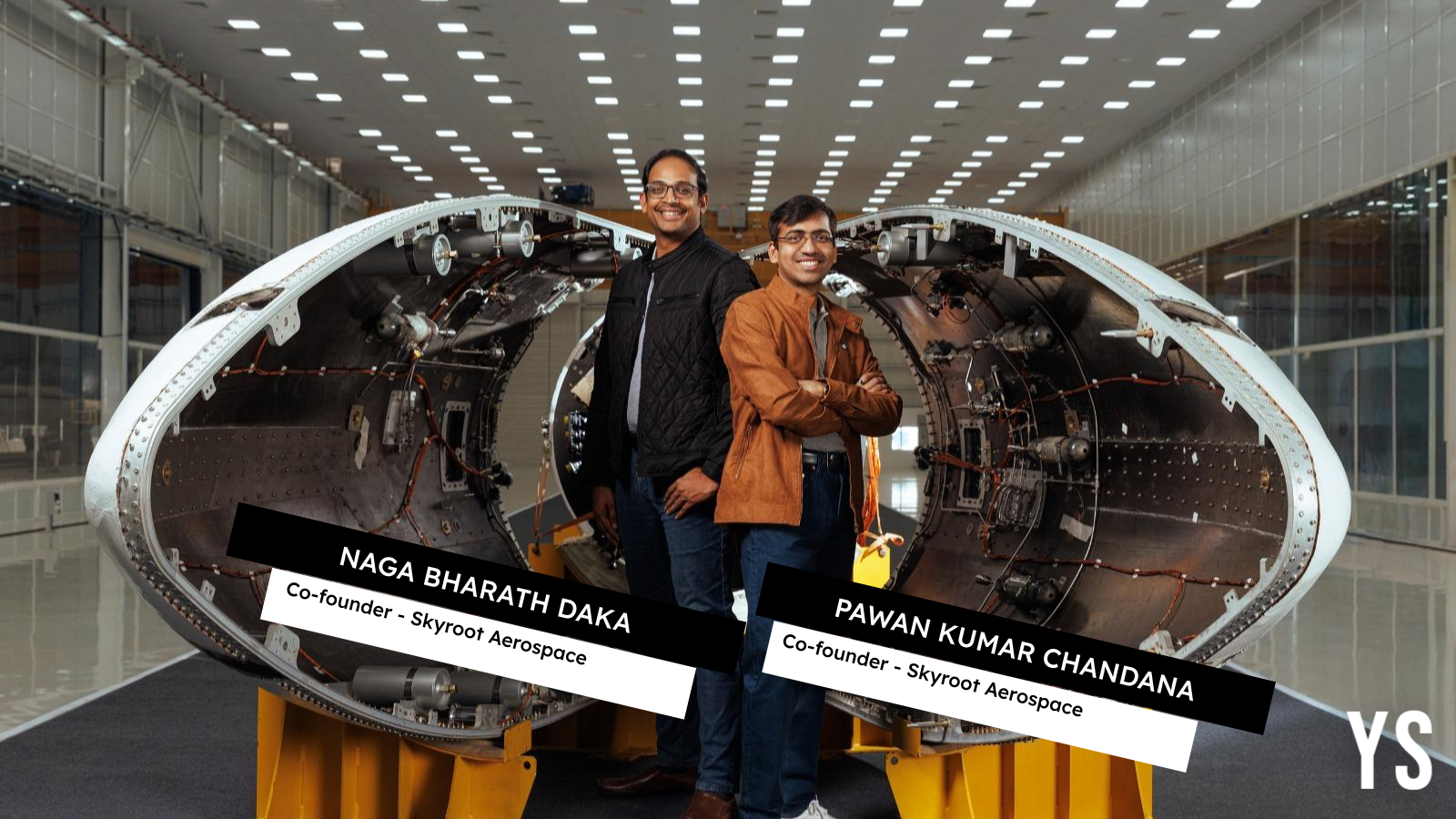
Hyderabad-based Skyroot Aerospace has raised $60 million in a funding round co-led by Sherpalo Ventures and GIC, pushing its pre-money valuation to $1.1 billion. That makes it India's first spacetech unicorn, a milestone that signals growing investor confidence in the country's private space sector.
The round also drew in funds managed by BlackRock, along with Playbook Partners, Shanghvi Family Office, and existing backers Greenko Group and Arkam Ventures. Ram Shriram, founder of Sherpalo Ventures and one of Google's earliest investors, will join Skyroot's board as part of the deal.
Skyroot plans to use the capital to fund commercial launch operations for its Vikram-1 rocket, billed as India's first private orbital launch vehicle. Vikram-1 is designed to carry small satellites of up to 350 kilograms into low Earth orbit, targeting the fast-growing market for on-demand satellite deployment. The rocket uses an all-carbon composite structure and runs on in-house solid and liquid propulsion systems, which Skyroot says are built for fast manufacturing and frequent launches.
This is a meaningful step up from the company's earlier milestone. In 2022, Skyroot launched Vikram-S, becoming the first private Indian company to send a rocket to space. That was a suborbital flight. Vikram-1 would be orbital, a much harder technical bar that opens the door to actual satellite deployment contracts.
India opened its space sector to private players only in recent years, and Skyroot's unicorn status is the first major valuation landmark to emerge from that reform. The $60 million raise, backed by a sovereign wealth fund (GIC is Singapore's), a global asset manager (BlackRock), and a high-profile Silicon Valley name (Shriram), suggests international capital is now taking Indian commercial space seriously, not just as a national project but as a competitive global launch business.
The small satellite launch market is expanding rapidly as more companies and governments seek affordable, flexible access to orbit. Skyroot is positioning Vikram-1 to compete on cost and turnaround speed, which are the two factors that matter most to small satellite operators shopping for a launch provider.
Watch for the timing of the Vikram-1 launch and whether Skyroot secures commercial payload contracts ahead of it, those will be the real test of whether the valuation holds and whether India can carve out a durable share of the global launch market.
Marvell Technology will invest $250 million in India over three years, doubling its workforce and expanding offices in Bengaluru and Hyderabad to advance AI and cloud chip design.
Microsoft, Nvidia, SpaceX, and Palantir have joined the newly formed Open Secure AI Alliance alongside dozens of U.S. and European tech companies. The group aims to set shared AI security standards as fallout from a cyber attack on OpenAI pushes the industry toward coordinated defenses.
Skyroot Aerospace's Vikram-1 became India's first privately built rocket to reach orbit, making India only the third country after the US and China with a private orbital launch capability.
India has approved a ₹1.25 lakh crore ISM 2.0 that replaces the earlier grant-only model with a grant-plus-equity structure, co-investing alongside private venture capital in fabless chip design startups.