A Senate vote to block a U.S. arms sale to Israel drew 40 of 47 Democratic senators in support, a margin rights advocates and analysts are calling an historic break from the party's traditionally unified backing of Israeli military aid. The resolutions targeted military bulldozers, a specific category of equipment rather than a broad arms package, but the vote count carries significant political weight given the Democratic Party's long record of near-unanimous support for U.S.-Israel security cooperation. The mechanism here is congressional disapproval resolutions, a legislative tool that forces a public vote on executive arms transfer decisions and compels senators to go on record. The resolutions did not pass, meaning the sale proceeds, but the 40-vote bloc signals a structural shift in Democratic caucus politics around Israel policy. Observers should track whether this voting pattern extends to broader or higher-value arms packages, and whether it reshapes White House calculus on future military transfer notifications to Congress.
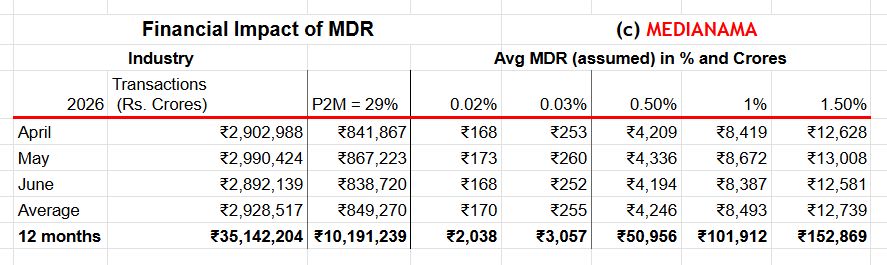
India's government plans to amend the Payment and Settlement Systems Act to restore UPI merchant discount rates, ending the zero-MDR regime in place since January 2020.
India's government has introduced the Taxation and Other Laws (Amendment) Bill, 2026, proposing changes to payments regulation, income tax, and the Finance Act to attract FDI and support Make in India. The Bill's final shape will depend on parliamentary debate and committee review.
The government's Taxation and Other Laws (Amendment) Bill, 2026, proposes to replace the blanket UPI MDR ban with a system allowing the Centre to notify which payment modes stay fee-free.
Prime Minister Narendra Modi inaugurated the Rs 5,000 crore Bhogapuram greenfield airport in Andhra Pradesh, built under a public-private partnership model. He also laid foundation stones for infrastructure projects worth nearly Rs 18,000 crore in the state, signalling a broad investment push for the region.