India to Restore UPI Merchant Fees, PhonePe Gains Most
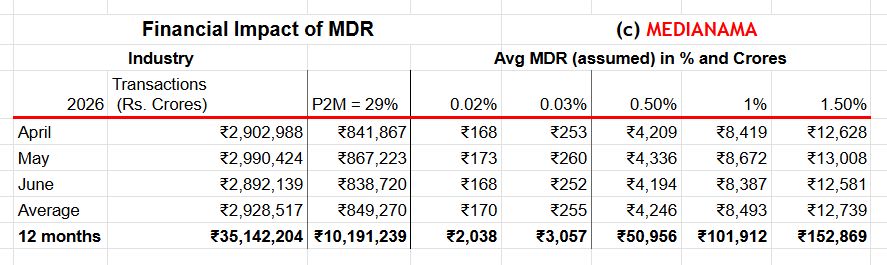
India's government plans to amend the Payment and Settlement Systems Act to restore UPI merchant discount rates, ending the zero-MDR regime in place since January 2020.
Key Takeaways
May 10, 2026 · 3 min read · By Rishabh Bhardwaj
·
AI-assisted, human-reviewed · Our editorial standards

India's markets regulator SEBI has proposed a tighter set of rules for open market share buybacks, the most common method companies use to return cash to shareholders by buying their own stock on stock exchanges. The proposals cover three main areas: a stricter timeline, restrictions on promoter share sales during buybacks, and a relaxed requirement on merchant banker appointments.
Under the draft framework, companies conducting open market buybacks would have a fixed window of 66 working days to complete the process. Setting a defined timeline is meant to prevent companies from leaving buyback programs open indefinitely, which can create uncertainty about capital allocation and suppress price discovery in the stock.
SEBI also proposes a promoter share freeze during the buyback period. This means company promoters, the founding shareholders or controlling groups, would not be able to sell their shares while the company is actively buying stock in the open market. The logic is straightforward: allowing promoters to sell into a company-funded buyback creates a conflict of interest, effectively letting insiders exit at prices supported by the company's own cash. A freeze closes that gap.
On the compliance side, SEBI is proposing to make the appointment of a merchant banker optional for open market buybacks, easing a procedural requirement that currently adds cost and process overhead for companies. Merchant bankers are typically hired to oversee compliance and documentation in buyback transactions. Making their role optional reduces the administrative burden, particularly for smaller listed firms running routine buyback programs.
Open market buybacks are the dominant route for listed Indian companies returning surplus cash to shareholders, so any rule change here has broad market relevance. The promoter freeze, if adopted, directly addresses a long-standing governance concern: that buybacks can be used to provide a price floor that benefits promoter exits rather than minority shareholders.
The 66-working-day cap adds predictability for institutional investors tracking capital return programs, since an open-ended buyback window makes it harder to model how much cash will actually leave a company's balance sheet and when. A defined limit forces companies to execute or close the program, improving disclosure discipline.
The easing on merchant banker appointments moves in the opposite direction, reducing compliance friction, suggesting SEBI is trying to balance governance tightening with operational practicality. Companies, especially mid-sized ones, have flagged the cost and time involved in mandatory intermediary appointments for transactions they consider routine.
These are proposals at this stage, meaning SEBI will likely invite public comment before finalizing the rules. Watch for the regulator's consultation deadline and how industry bodies respond to the promoter freeze provision, which is likely to draw the most debate.
India's government plans to amend the Payment and Settlement Systems Act to restore UPI merchant discount rates, ending the zero-MDR regime in place since January 2020.
India's government has introduced the Taxation and Other Laws (Amendment) Bill, 2026, proposing changes to payments regulation, income tax, and the Finance Act to attract FDI and support Make in India. The Bill's final shape will depend on parliamentary debate and committee review.
The government's Taxation and Other Laws (Amendment) Bill, 2026, proposes to replace the blanket UPI MDR ban with a system allowing the Centre to notify which payment modes stay fee-free.
Prime Minister Narendra Modi inaugurated the Rs 5,000 crore Bhogapuram greenfield airport in Andhra Pradesh, built under a public-private partnership model. He also laid foundation stones for infrastructure projects worth nearly Rs 18,000 crore in the state, signalling a broad investment push for the region.