India to Restore UPI Merchant Fees, PhonePe Gains Most
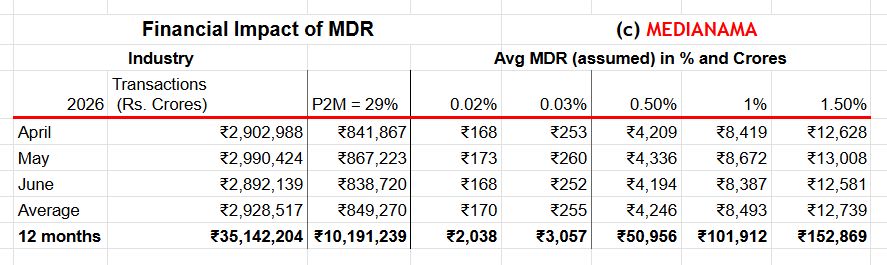
India's government plans to amend the Payment and Settlement Systems Act to restore UPI merchant discount rates, ending the zero-MDR regime in place since January 2020.
Key Takeaways
May 9, 2026 · 3 min read · By Rishabh Bhardwaj
·
AI-assisted, human-reviewed · Our editorial standards
India's markets regulator SEBI has proposed a significant overhaul of the rules governing share buybacks, the process by which listed companies repurchase their own shares from the open market or existing shareholders. The regulator has opened the proposals for public comment, signalling that formal rule changes could follow once feedback is reviewed.
The proposals cover several fronts. On compliance, SEBI wants to simplify the paperwork and procedural burden companies currently face when executing buybacks. One notable suggestion is removing the mandatory requirement to appoint a merchant banker, a registered financial intermediary who currently oversees the buyback process. Cutting this requirement would reduce cost and friction for companies, particularly smaller ones, though it also removes a layer of independent oversight.
SEBI also wants companies to communicate more clearly with shareholders during buybacks. Currently, shareholders may not always have a full picture of a buyback's terms, timeline, or impact on their holdings. Better disclosure would help investors make more informed decisions about whether to tender their shares or hold.
A third area of focus is preventing companies from breaching minimum public shareholding norms through buybacks. Listed companies in India are required to maintain a minimum level of shares in public hands, currently 25% for most companies. A poorly structured buyback can inadvertently push promoter shareholding above permissible limits, reducing the public float and potentially affecting stock liquidity. SEBI's proposal aims to close this gap with clearer guardrails.
Buybacks have become a common capital return tool for Indian corporates, especially in sectors like technology and financial services where companies generate significant cash. Any rule change affects how and when companies can return capital to shareholders, which in turn affects stock valuations, earnings per share calculations, and overall market sentiment around cash-rich companies.
Simplifying the process could encourage more frequent buybacks, potentially providing a floor of demand for shares during market downturns. On the other hand, removing mandatory merchant banker oversight raises questions about whether smaller or less experienced management teams will execute buybacks in a way that treats all shareholders fairly.
The public comment process means the final rules may look different from what SEBI has proposed. Market participants, including institutional investors, listed companies, and merchant bankers themselves, are likely to weigh in, particularly on the oversight question.
Watch for the comment deadline and whether SEBI narrows or widens the merchant banker requirement based on feedback. The final rules will set the compliance template for buybacks across all listed Indian companies.
India's government plans to amend the Payment and Settlement Systems Act to restore UPI merchant discount rates, ending the zero-MDR regime in place since January 2020.
India's government has introduced the Taxation and Other Laws (Amendment) Bill, 2026, proposing changes to payments regulation, income tax, and the Finance Act to attract FDI and support Make in India. The Bill's final shape will depend on parliamentary debate and committee review.
The government's Taxation and Other Laws (Amendment) Bill, 2026, proposes to replace the blanket UPI MDR ban with a system allowing the Centre to notify which payment modes stay fee-free.
Prime Minister Narendra Modi inaugurated the Rs 5,000 crore Bhogapuram greenfield airport in Andhra Pradesh, built under a public-private partnership model. He also laid foundation stones for infrastructure projects worth nearly Rs 18,000 crore in the state, signalling a broad investment push for the region.