India to Restore UPI Merchant Fees, PhonePe Gains Most
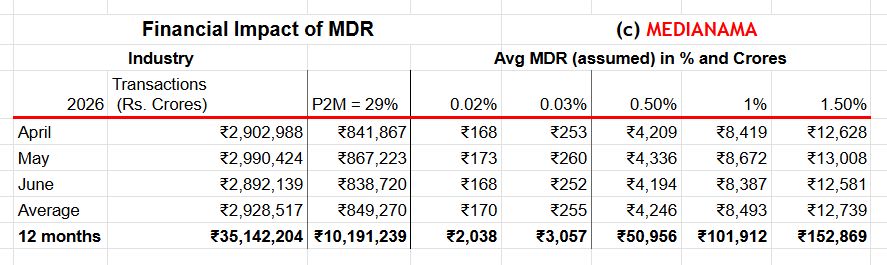
India's government plans to amend the Payment and Settlement Systems Act to restore UPI merchant discount rates, ending the zero-MDR regime in place since January 2020.
Key Takeaways
May 2, 2026 · 2 min read · By Rishabh Bhardwaj
·
AI-assisted, human-reviewed · Our editorial standards
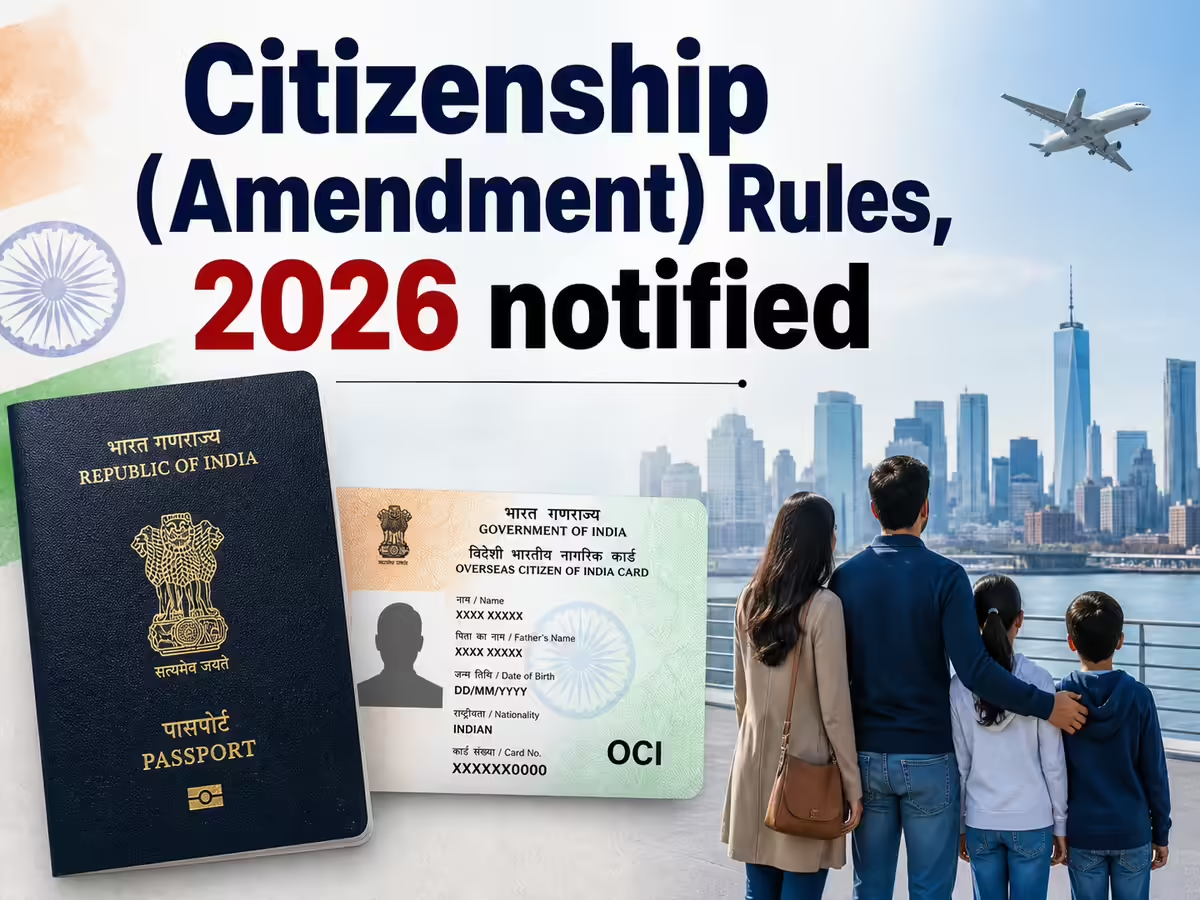
India has notified the Citizenship (Amendment) Rules, 2026, introducing a set of procedural changes that affect Overseas Citizens of India (OCI) cardholders and minor children who hold passports from more than one country.
The most direct change for families: minor children are no longer permitted to hold two passports simultaneously. This closes a gap that previously allowed dual passport holdings during childhood, a practice that created ambiguity around citizenship status and documentation.
The rules shift the entire OCI process online. Applications, approvals, and the cards themselves, now issued as e-OCI cards, are handled digitally. This replaces older paper-based procedures and is designed to reduce processing delays and improve record accuracy. Renouncing or cancelling an OCI card also follows a defined electronic process under the new framework, giving applicants a clearer procedural path than before.
Biometric data collected from OCI holders can now be used to speed up immigration clearance. This means frequent travellers holding OCI cards may move through entry points faster, as border systems can match biometric records without manual document checks.
The shift to digital registration matters most for the Indian diaspora, particularly those managing OCI status for children born abroad or to parents of different nationalities. Earlier, the rules around dual passports for minors were less explicitly enforced; the 2026 amendment draws a harder line.
For existing OCI holders, the move to e-OCI cards means physical card replacements may be phased out over time. The government has not yet clarified a transition deadline for those holding older physical cards, which is worth tracking.
Procedurally, a fully online system reduces the need for in-person visits to consulates or regional passport offices, a meaningful change for OCI applicants living in countries with limited Indian diplomatic presence.
The rules do not change OCI eligibility criteria or the rights attached to OCI status. What has changed is the administrative layer: how you apply, how your card is issued, and how your biometric data is used at the border.
India's government plans to amend the Payment and Settlement Systems Act to restore UPI merchant discount rates, ending the zero-MDR regime in place since January 2020.
India's government has introduced the Taxation and Other Laws (Amendment) Bill, 2026, proposing changes to payments regulation, income tax, and the Finance Act to attract FDI and support Make in India. The Bill's final shape will depend on parliamentary debate and committee review.
The government's Taxation and Other Laws (Amendment) Bill, 2026, proposes to replace the blanket UPI MDR ban with a system allowing the Centre to notify which payment modes stay fee-free.
Prime Minister Narendra Modi inaugurated the Rs 5,000 crore Bhogapuram greenfield airport in Andhra Pradesh, built under a public-private partnership model. He also laid foundation stones for infrastructure projects worth nearly Rs 18,000 crore in the state, signalling a broad investment push for the region.