The combined unfunded liability of US Medicare and Social Security has surged to $130 trillion, according to a new report that frames the figure as a structural shortfall rather than a cyclical budget problem. The gap represents the difference between projected program obligations and the revenue streams currently committed to funding them over the long term. Both programs face demographic pressure as the ratio of working-age contributors to retiree beneficiaries continues to narrow, compressing the tax base that supports payouts. Medicare's cost trajectory is further strained by persistent healthcare inflation running above general price levels. The scale of the shortfall signals that some combination of benefit adjustments, tax increases, or eligibility changes is mathematically inevitable without new revenue sources. For individuals, the practical exposure is concentrated in retirement income planning: relying solely on Social Security distributions or expecting Medicare to cover full healthcare costs in retirement carries growing actuarial risk. Analysts and financial planners generally point to private savings vehicles, supplemental insurance, and diversified income streams as partial offsets. Legislative action on either program remains the key variable to watch.
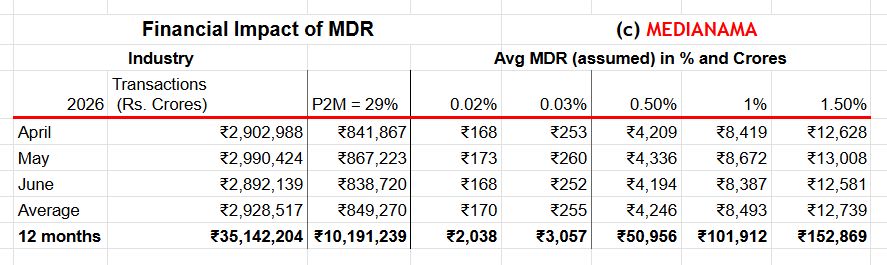
India's government plans to amend the Payment and Settlement Systems Act to restore UPI merchant discount rates, ending the zero-MDR regime in place since January 2020.
India's government has introduced the Taxation and Other Laws (Amendment) Bill, 2026, proposing changes to payments regulation, income tax, and the Finance Act to attract FDI and support Make in India. The Bill's final shape will depend on parliamentary debate and committee review.
The government's Taxation and Other Laws (Amendment) Bill, 2026, proposes to replace the blanket UPI MDR ban with a system allowing the Centre to notify which payment modes stay fee-free.
Prime Minister Narendra Modi inaugurated the Rs 5,000 crore Bhogapuram greenfield airport in Andhra Pradesh, built under a public-private partnership model. He also laid foundation stones for infrastructure projects worth nearly Rs 18,000 crore in the state, signalling a broad investment push for the region.