The Reserve Bank of India has raised the retail exposure limit for banks to Rs 10 crore, up from the previous threshold, and cut risk weights on such loans, giving banks meaningful capital relief. The changes follow a review of draft norms issued in October 2025, with the RBI incorporating feedback before finalising the rules. Risk weights determine how much capital a bank must set aside against a loan. Lower weights mean banks need less capital per rupee lent, freeing up funds to extend more credit. The retail segment covers individual borrowers and small businesses, so the higher exposure cap lets banks lend larger sums to this group while still qualifying for the lighter capital treatment. Banks with sizeable retail books stand to benefit most, as their capital ratios improve without raising fresh equity. Watch for how lenders deploy the freed capital, whether into retail loan growth, margin improvement, or buffer building, as that will signal the real-world effect of this policy shift.
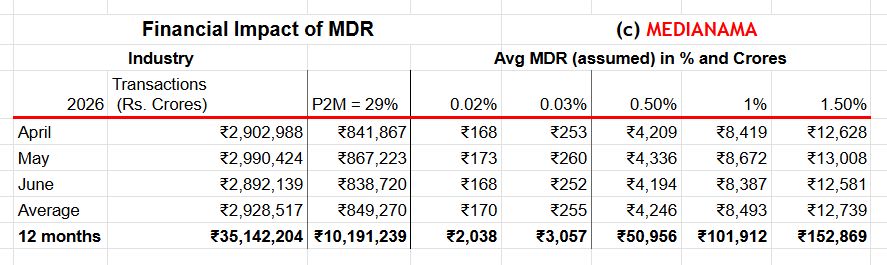
India's government plans to amend the Payment and Settlement Systems Act to restore UPI merchant discount rates, ending the zero-MDR regime in place since January 2020.
India's government has introduced the Taxation and Other Laws (Amendment) Bill, 2026, proposing changes to payments regulation, income tax, and the Finance Act to attract FDI and support Make in India. The Bill's final shape will depend on parliamentary debate and committee review.
The government's Taxation and Other Laws (Amendment) Bill, 2026, proposes to replace the blanket UPI MDR ban with a system allowing the Centre to notify which payment modes stay fee-free.
Prime Minister Narendra Modi inaugurated the Rs 5,000 crore Bhogapuram greenfield airport in Andhra Pradesh, built under a public-private partnership model. He also laid foundation stones for infrastructure projects worth nearly Rs 18,000 crore in the state, signalling a broad investment push for the region.