Jerome Powell confirmed he will leave his role as Federal Reserve chair when his term ends in May but will stay on the Fed's board of governors until 2028. The statement addresses pressure from President Trump, who had publicly pushed for Powell's removal. Powell's decision to remain on the board preserves some continuity even as leadership changes at the top. Kevin Warsh, Trump's nominee for Fed chair, cleared a Senate committee vote today, moving him closer to confirmation. A full Senate vote is the next step before Warsh formally takes over. The Fed chair sets the tone for interest rate decisions that affect borrowing costs across the economy, from mortgages to business loans. A change in leadership often signals a potential shift in how aggressively the central bank responds to inflation or slowing growth. Markets and analysts will watch whether Warsh, once confirmed, moves to cut rates faster than Powell's Fed had signaled, given Trump's repeated calls for lower borrowing costs.
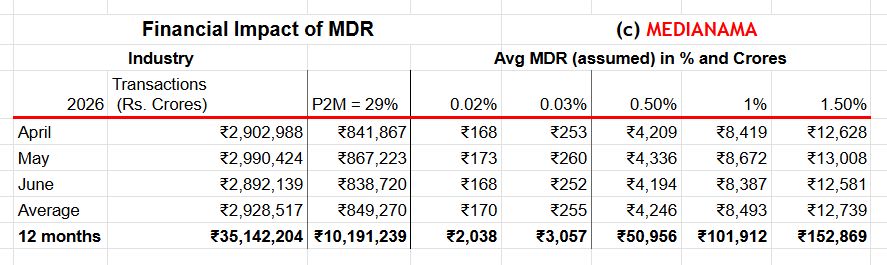
India's government plans to amend the Payment and Settlement Systems Act to restore UPI merchant discount rates, ending the zero-MDR regime in place since January 2020.
India's government has introduced the Taxation and Other Laws (Amendment) Bill, 2026, proposing changes to payments regulation, income tax, and the Finance Act to attract FDI and support Make in India. The Bill's final shape will depend on parliamentary debate and committee review.
The government's Taxation and Other Laws (Amendment) Bill, 2026, proposes to replace the blanket UPI MDR ban with a system allowing the Centre to notify which payment modes stay fee-free.
Prime Minister Narendra Modi inaugurated the Rs 5,000 crore Bhogapuram greenfield airport in Andhra Pradesh, built under a public-private partnership model. He also laid foundation stones for infrastructure projects worth nearly Rs 18,000 crore in the state, signalling a broad investment push for the region.