India to Restore UPI Merchant Fees, PhonePe Gains Most
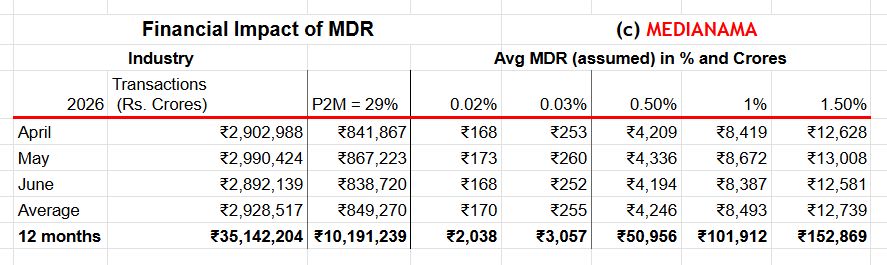
India's government plans to amend the Payment and Settlement Systems Act to restore UPI merchant discount rates, ending the zero-MDR regime in place since January 2020.
Key Takeaways
May 10, 2026 · 2 min read · By Rishabh Bhardwaj
·
AI-assisted, human-reviewed · Our editorial standards
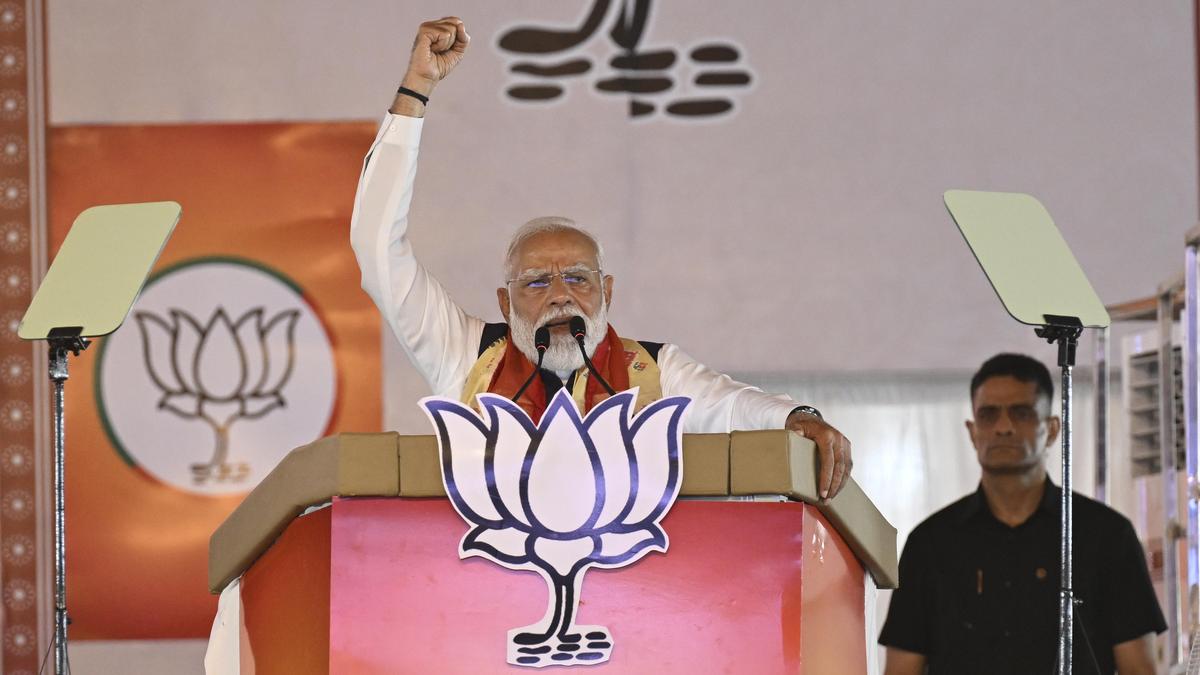
Prime Minister Narendra Modi has asked Indian citizens to reduce fuel consumption and avoid foreign travel, drawing a direct parallel to habits formed during the COVID-19 pandemic.
Modi specifically called for reviving work-from-home arrangements, online conferences, and virtual meetings, tools that became widespread during the pandemic lockdowns. The appeal appears aimed at cutting India's demand for imported oil at a time when global energy markets remain volatile.
India imports roughly 85% of its crude oil needs, making the country highly sensitive to global price swings and currency pressure. Any sustained rise in oil prices widens India's trade deficit and puts downward pressure on the rupee, which in turn raises the cost of a broad range of imports beyond just fuel.
By framing fuel conservation as a civic duty and invoking the pandemic-era shift to remote work, Modi is signalling that the government sees demand-side management, reducing how much fuel people consume, as a meaningful lever, not just a symbolic gesture.
It is unclear whether Modi's appeal will be backed by formal policy measures such as revised work-from-home guidelines for government employees, incentives for private firms, or restrictions on foreign travel. A voluntary call from the Prime Minister carries weight as a signal of intent, but its real-world impact on fuel demand will depend on whether institutions and employers follow through.
For markets, the statement is worth noting as a possible precursor to broader energy policy moves. If the government follows up with structured demand-reduction steps, sectors tied to aviation, hospitality, and fuel retail could feel the effect. Investors in Indian oil marketing companies will be watching for any shift in subsidy posture or pricing policy that might accompany this push.
India's government plans to amend the Payment and Settlement Systems Act to restore UPI merchant discount rates, ending the zero-MDR regime in place since January 2020.
India's government has introduced the Taxation and Other Laws (Amendment) Bill, 2026, proposing changes to payments regulation, income tax, and the Finance Act to attract FDI and support Make in India. The Bill's final shape will depend on parliamentary debate and committee review.
The government's Taxation and Other Laws (Amendment) Bill, 2026, proposes to replace the blanket UPI MDR ban with a system allowing the Centre to notify which payment modes stay fee-free.
Prime Minister Narendra Modi inaugurated the Rs 5,000 crore Bhogapuram greenfield airport in Andhra Pradesh, built under a public-private partnership model. He also laid foundation stones for infrastructure projects worth nearly Rs 18,000 crore in the state, signalling a broad investment push for the region.