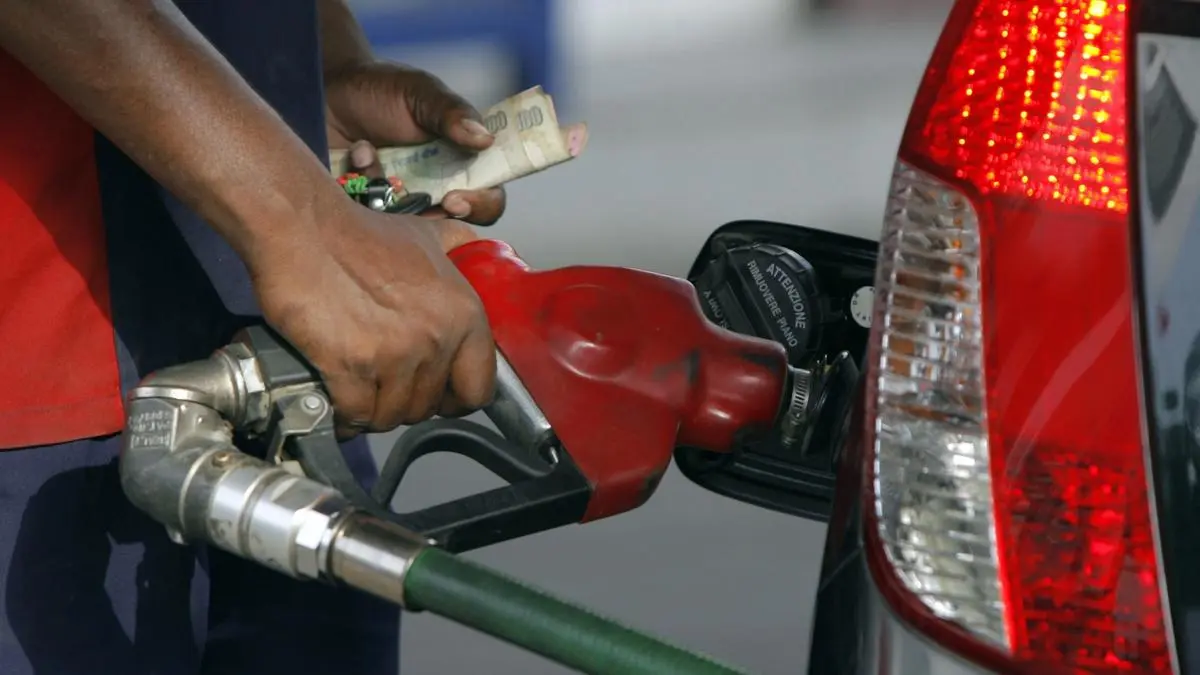
Petrol and diesel prices in India may rise soon, as global crude oil costs have surged sharply from last year's levels. Crude oil, which was around $70 per barrel last year, has averaged over $114 per barrel this month, a jump of more than 60% that puts heavy pressure on fuel pricing in India. India imports roughly 85% of its crude oil needs, so global price swings feed directly into domestic fuel costs. Indian state-run oil companies, which sell petrol and diesel, have been absorbing losses rather than passing the full cost to consumers, but that gap is becoming harder to sustain. When oil marketing companies sell fuel below their purchase cost, they run into losses that eventually force a price revision or require government support. The longer crude stays elevated, the stronger the case for a retail price hike becomes. Watch for any official signal from the government or oil ministry on a revision in the administered fuel price. A hike would push up transport and logistics costs across the economy, feeding into broader consumer price inflation.
Pakistan's economy grew 3.7 percent in FY2026, its fastest rate in four years, according to the Pakistan Economic Survey presented by Finance Minister Muhammad Aurangzeb. Growth beat last year's 3.18 percent but missed the 4.2 percent target, with floods, regional conflict, and weaker food exports cited as key drags.
The Union government released an additional Rs 1,09,019 crore in tax devolution to states on August 1, 2026, separate from the regular monthly transfer. The lump-sum release aims to accelerate state capital spending in the July-September quarter, with Uttar Pradesh, Bihar, and Madhya Pradesh among the top recipients.
US mortgage rates have risen to a one-year high as markets weigh Federal Reserve rate uncertainty and Middle East conflict-driven inflation fears. Higher rates increase monthly payments for new buyers and are likely to further suppress housing market activity and refinancing.
Pakistan's Sensitive Price Index rose 13.52 percent year on year for the week ending July 2, 2026, marking 45 consecutive weeks of annual gains. Electricity up 49 percent, wheat flour up 68 percent, and LPG up 44 percent year on year are the main drivers.