Chua Eng Kiam was sentenced to two months in jail for using fabricated loan arrangements to post the S$1.5 million bail for Ng Yu Zhi, his son-in-law and the accused in one of Singapore's largest alleged investment fraud cases. Chua stood bail using funds he did not personally own, disguising the source through sham lending structures that misrepresented his financial standing to the court. The mechanism of the offence centres on the integrity of the bail system: surety arrangements require the guarantor to demonstrate genuine personal financial capacity, and substituting borrowed or third-party funds undermines the court's risk assessment of flight risk. Chua's conviction adds a secondary legal layer to the Ng Yu Zhi case, which involves alleged nickel trading fraud totalling hundreds of millions of dollars. Courts and prosecutors will likely scrutinise surety arrangements more closely in high-value bail applications going forward, particularly where defendants face large-scale financial crime charges.
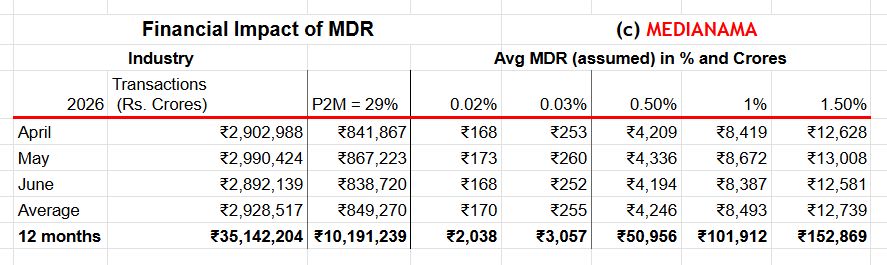
India's government plans to amend the Payment and Settlement Systems Act to restore UPI merchant discount rates, ending the zero-MDR regime in place since January 2020.
India's government has introduced the Taxation and Other Laws (Amendment) Bill, 2026, proposing changes to payments regulation, income tax, and the Finance Act to attract FDI and support Make in India. The Bill's final shape will depend on parliamentary debate and committee review.
The government's Taxation and Other Laws (Amendment) Bill, 2026, proposes to replace the blanket UPI MDR ban with a system allowing the Centre to notify which payment modes stay fee-free.
Prime Minister Narendra Modi inaugurated the Rs 5,000 crore Bhogapuram greenfield airport in Andhra Pradesh, built under a public-private partnership model. He also laid foundation stones for infrastructure projects worth nearly Rs 18,000 crore in the state, signalling a broad investment push for the region.