India to Restore UPI Merchant Fees, PhonePe Gains Most
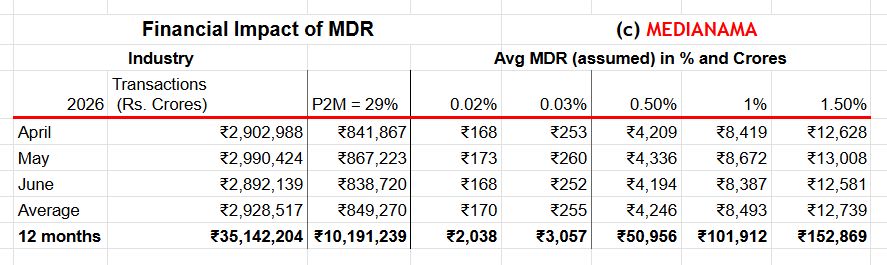
India's government plans to amend the Payment and Settlement Systems Act to restore UPI merchant discount rates, ending the zero-MDR regime in place since January 2020.
Key Takeaways
May 12, 2026 · 3 min read · By Rishabh Bhardwaj
·
AI-assisted, human-reviewed · Our editorial standards
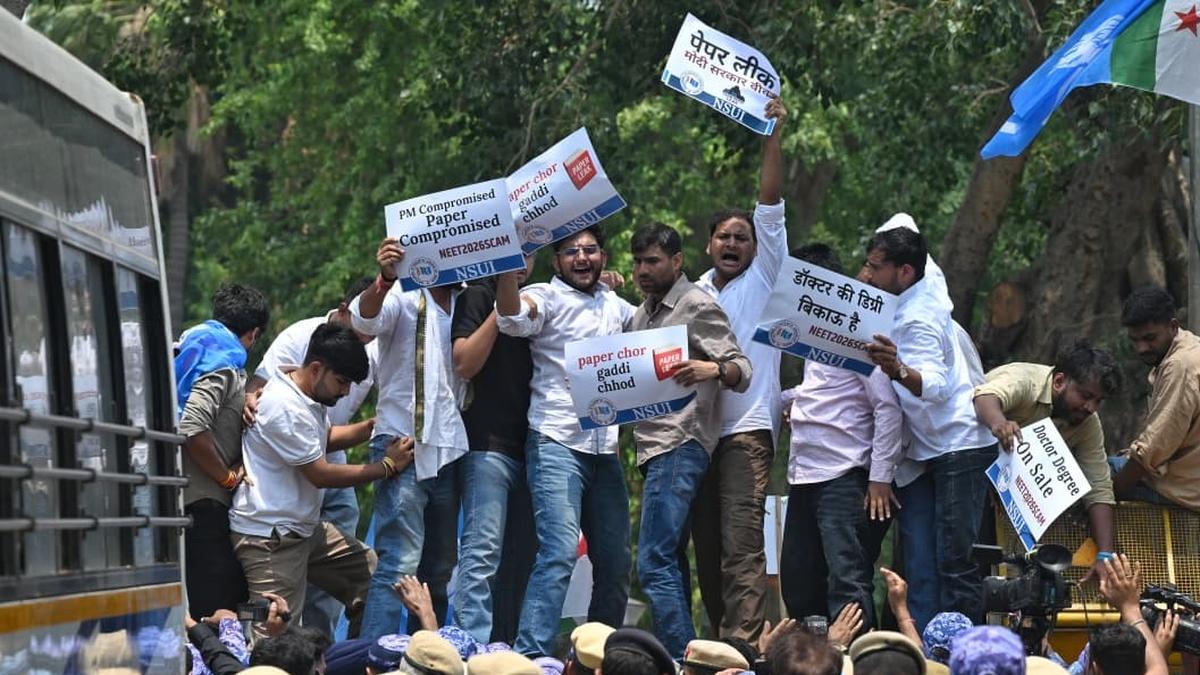
India's central medical entrance exam, NEET-UG, has been cancelled for 2026, with fresh dates to be announced separately. The Central Bureau of Investigation has been called in to probe allegations of paper leaks connected to the examination.
NEET-UG is the single national gateway for students seeking admission to undergraduate medical and dental programs across India. Millions of students sit the exam each year, making it one of the most competitive and high-stakes tests in the country. A cancellation at this scale disrupts admissions timelines across hundreds of medical colleges, both government and private.
The cancellation follows allegations that question papers were leaked ahead of the exam. The CBI, India's premier federal investigation agency, has been brought in to examine these claims. The agency typically handles cases with national significance or those involving multiple states, which signals the seriousness with which authorities are treating the allegations.
Paper leak controversies in high-stakes Indian exams are not new, but a full cancellation with a CBI probe marks an escalation in the official response. The decision to scrap the exam entirely, rather than investigate after results, suggests authorities had enough reason to doubt the integrity of the process.
Students who had already appeared for NEET-UG 2026 now face an uncertain wait. Fresh examination dates have not been set yet, and will be notified separately. Until then, the medical admissions cycle for 2026 is effectively on hold.
For aspiring doctors, this means months of preparation may need to be extended further, with no clear timeline in sight. Many students, especially those from lower-income households who rely on state-run coaching or self-study, face a disproportionate burden from a delayed and rescheduled exam.
Medical colleges, which typically begin their admissions process once NEET-UG results are declared, will also have to wait. Seat allocation, counselling rounds, and fee payment deadlines will all shift depending on when the fresh exam is held.
The CBI investigation adds another layer of uncertainty. If the probe uncovers a broad or organised leak network, it could lead to criminal charges, potential disqualification of candidates found to have accessed leaked material, and further scrutiny of the exam administration body.
NEET-UG has faced controversy in previous years as well, including allegations of irregularities in 2024 that prompted widespread protests and parliamentary debate. The repeat of such concerns in 2026 is likely to intensify calls for structural reforms in how the exam is designed, administered, and secured.
The National Testing Agency, which administers NEET-UG, will face renewed pressure over its processes. Questions around secure paper printing, distribution logistics, and the role of intermediaries in the leak chain are likely to form the core of the CBI inquiry.
For now, students are advised to monitor official government and NTA channels for rescheduled exam dates. The political pressure to hold a credible re-examination quickly will be high, but rushing the process without fixing the identified vulnerabilities risks repeating the same problems.
India's government plans to amend the Payment and Settlement Systems Act to restore UPI merchant discount rates, ending the zero-MDR regime in place since January 2020.
India's government has introduced the Taxation and Other Laws (Amendment) Bill, 2026, proposing changes to payments regulation, income tax, and the Finance Act to attract FDI and support Make in India. The Bill's final shape will depend on parliamentary debate and committee review.
The government's Taxation and Other Laws (Amendment) Bill, 2026, proposes to replace the blanket UPI MDR ban with a system allowing the Centre to notify which payment modes stay fee-free.
Prime Minister Narendra Modi inaugurated the Rs 5,000 crore Bhogapuram greenfield airport in Andhra Pradesh, built under a public-private partnership model. He also laid foundation stones for infrastructure projects worth nearly Rs 18,000 crore in the state, signalling a broad investment push for the region.