India to Restore UPI Merchant Fees, PhonePe Gains Most
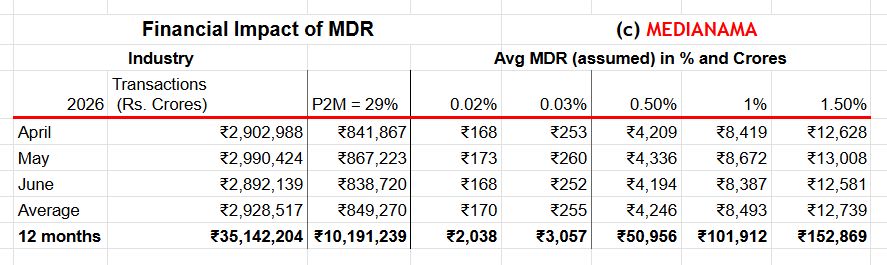
India's government plans to amend the Payment and Settlement Systems Act to restore UPI merchant discount rates, ending the zero-MDR regime in place since January 2020.
Key Takeaways
May 7, 2026 · 2 min read · By Rishabh Bhardwaj
·
AI-assisted, human-reviewed · Our editorial standards
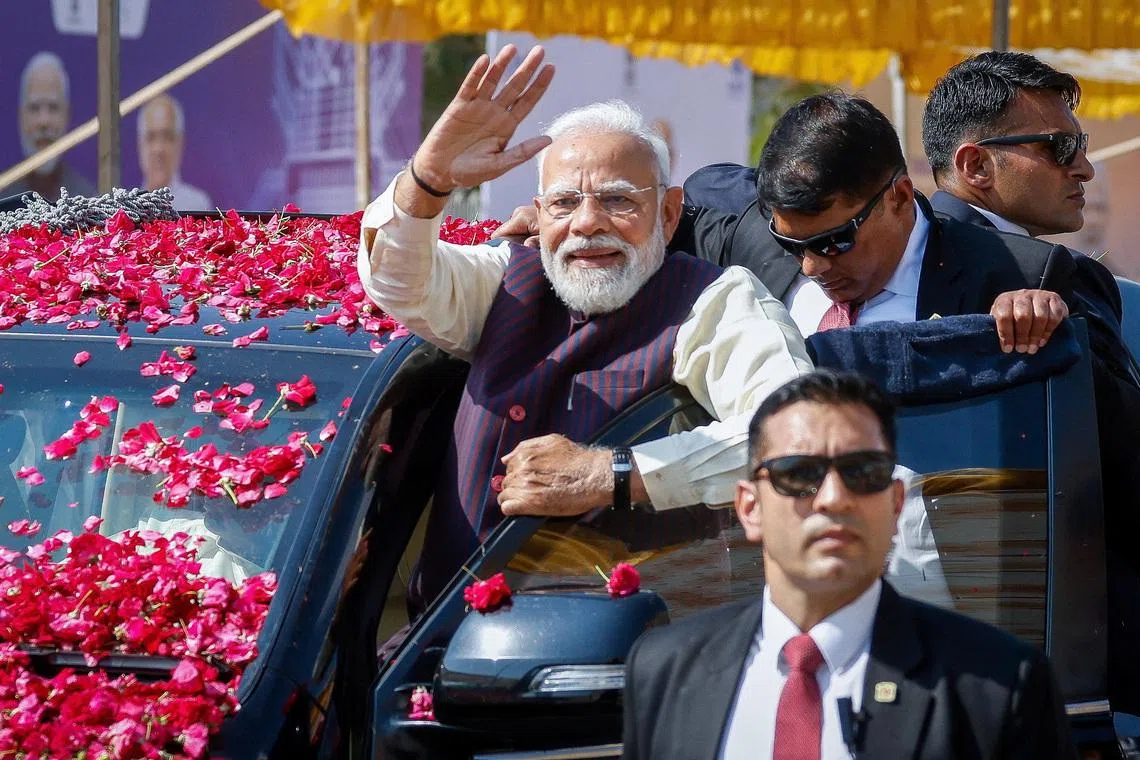
Narendra Modi's Bharatiya Janata Party was on course for significant wins in state elections as of Monday, a result that political leaders and analysts say could give the ruling party fresh momentum to push through two of its most consequential policy agendas: uniform civil laws and large-scale infrastructure investment.
State election results in India function as a political barometer. Strong showings at the state level reinforce the ruling party's mandate and reduce friction in advancing national-level reforms, particularly those that face resistance from opposition-controlled states or require broad political capital to sustain.
The uniform civil code, often called the UCC, is a long-standing BJP ambition. It would replace the separate personal laws that currently govern marriage, divorce, inheritance, and adoption for Hindus, Muslims, Christians, and other religious communities with a single, religion-neutral legal framework. Critics argue it threatens minority rights; supporters frame it as a step toward legal equality. Advancing it requires both political will and legislative bandwidth, both of which a strong state-level showing could supply.
Infrastructure is the second pillar. The Modi government has made capital spending on roads, railways, ports, and housing a defining feature of its economic strategy. State governments are key partners in executing these projects, land acquisition, permits, and local contracting all run through state-level machinery. A broader base of BJP-controlled states would smooth that execution path considerably.
The practical question is sequencing. The UCC is politically sensitive and legislatively complex; the BJP may use renewed confidence to move it forward in parliament or push states to adopt their own versions, as Uttarakhand already has. On infrastructure, expect spending announcements and project clearances to follow swiftly if the wins are as large as early indications suggest.
Analysts will be watching whether the margins of victory are wide enough to signal a durable shift in voter sentiment ahead of any future national elections, or whether the results reflect more localised factors. Either way, Monday's outcomes look set to shape India's policy calendar for the near term.
India's government plans to amend the Payment and Settlement Systems Act to restore UPI merchant discount rates, ending the zero-MDR regime in place since January 2020.
India's government has introduced the Taxation and Other Laws (Amendment) Bill, 2026, proposing changes to payments regulation, income tax, and the Finance Act to attract FDI and support Make in India. The Bill's final shape will depend on parliamentary debate and committee review.
The government's Taxation and Other Laws (Amendment) Bill, 2026, proposes to replace the blanket UPI MDR ban with a system allowing the Centre to notify which payment modes stay fee-free.
Prime Minister Narendra Modi inaugurated the Rs 5,000 crore Bhogapuram greenfield airport in Andhra Pradesh, built under a public-private partnership model. He also laid foundation stones for infrastructure projects worth nearly Rs 18,000 crore in the state, signalling a broad investment push for the region.