India to Restore UPI Merchant Fees, PhonePe Gains Most
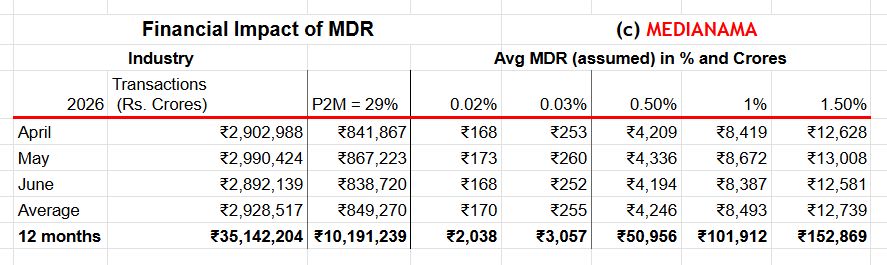
India's government plans to amend the Payment and Settlement Systems Act to restore UPI merchant discount rates, ending the zero-MDR regime in place since January 2020.
Key Takeaways
May 10, 2026 · 2 min read · By Rishabh Bhardwaj
·
AI-assisted, human-reviewed · Our editorial standards

Prime Minister Narendra Modi has asked Indian citizens to reduce their petrol consumption, citing tensions in the Middle East, and urged a return to the kind of disciplined habits seen during the Covid-19 pandemic.
Modi framed the appeal in terms of national duty, saying patriotism is not limited to sacrificing one's life for the country but also means living responsibly and fulfilling everyday obligations during difficult periods. The call suggests the government sees the Middle East conflict as a real risk to India's energy supply or import bill, even if no specific supply disruption has been announced.
India imports roughly 85% of its crude oil needs, making it acutely sensitive to price spikes or supply shocks from the Middle East, which is a major sourcing region. Any sustained rise in global oil prices feeds directly into India's trade deficit, puts pressure on the rupee, and can push up retail fuel prices at home, raising costs for transport, logistics, and everyday consumers.
The reference to Covid-era measures is significant. During the pandemic, the government successfully encouraged citizens to change behavior at scale through public messaging. Invoking that period signals that Modi is betting on a similar voluntary, sentiment-driven response rather than rationing or formal controls.
The appeal is currently framed as a civic call rather than a policy mandate, so there is no enforcement mechanism attached. The practical impact will depend on how widely the message is adopted. If Middle East tensions escalate and oil prices rise sharply, the government may follow up with more concrete steps, such as adjustments to fuel taxes, import diversification moves, or formal conservation guidelines.
For markets, the signal worth tracking is whether this rhetoric precedes any formal policy action on fuel pricing or subsidy management. For consumers, the immediate ask is simply to drive less and use fuel more carefully, echoing the voluntary restraint the government promoted during the pandemic years.
India's government plans to amend the Payment and Settlement Systems Act to restore UPI merchant discount rates, ending the zero-MDR regime in place since January 2020.
India's government has introduced the Taxation and Other Laws (Amendment) Bill, 2026, proposing changes to payments regulation, income tax, and the Finance Act to attract FDI and support Make in India. The Bill's final shape will depend on parliamentary debate and committee review.
The government's Taxation and Other Laws (Amendment) Bill, 2026, proposes to replace the blanket UPI MDR ban with a system allowing the Centre to notify which payment modes stay fee-free.
Prime Minister Narendra Modi inaugurated the Rs 5,000 crore Bhogapuram greenfield airport in Andhra Pradesh, built under a public-private partnership model. He also laid foundation stones for infrastructure projects worth nearly Rs 18,000 crore in the state, signalling a broad investment push for the region.