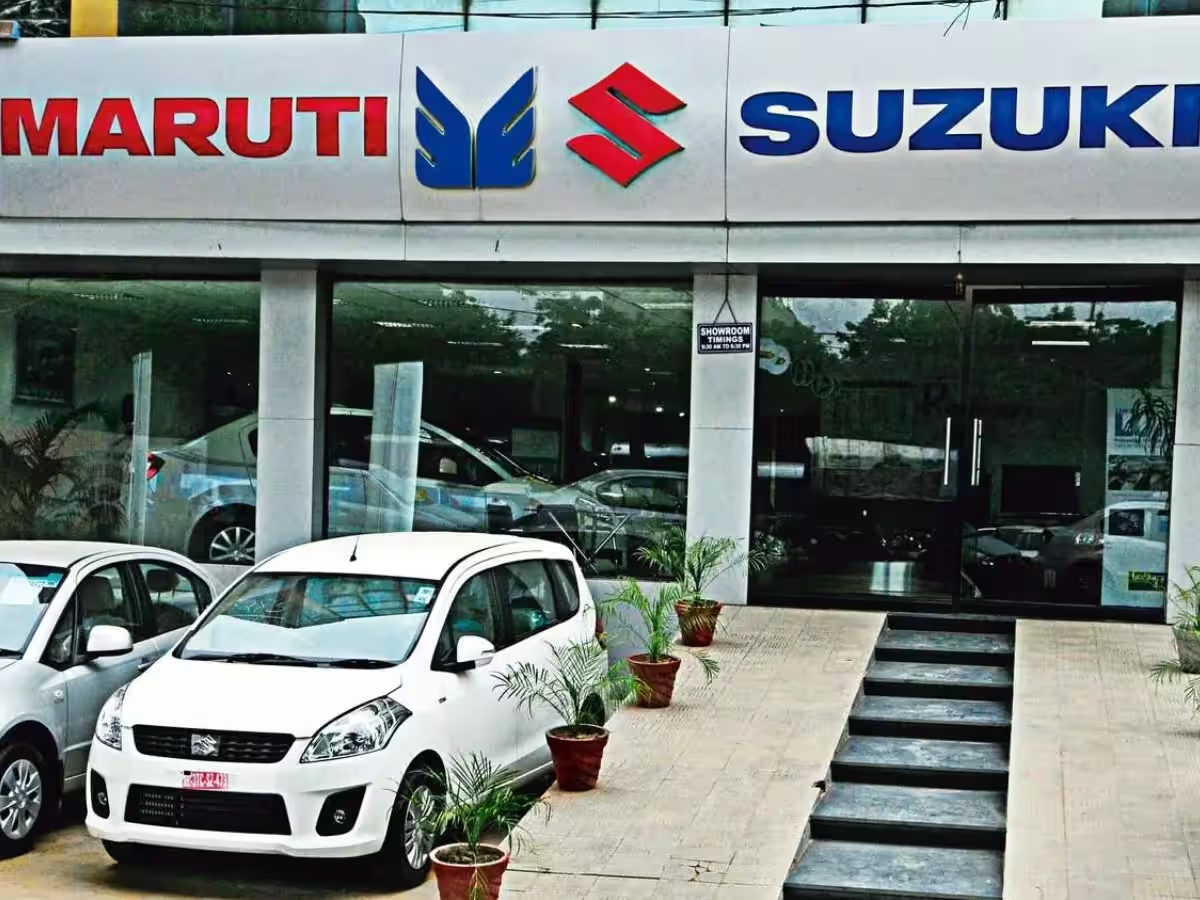
Maruti Suzuki posted its best-ever monthly domestic sales figure in July 2026, crossing two lakh units for the first time. The automaker reported a 42.4% jump in domestic sales compared to July 2025, a result that stands out even against an already strong base period for the Indian passenger vehicle market.
Including exports and OEM (original equipment manufacturer) supplies, where Maruti builds vehicles for other brands, total sales reached 2,41,421 units in the month. That combined figure gives a fuller picture of the company's production and distribution capacity running at peak levels.
Every segment contributed to the record
What makes the July number particularly significant is its breadth. Maruti Suzuki reported growth across all passenger vehicle segments, meaning the surge was not driven by a single model launch or a narrow product category. Entry-level hatchbacks, compact SUVs, and mid-size vehicles all contributed, pointing to a broad-based demand recovery rather than a one-off spike.
A 42.4% year-on-year rise is a large move for a market leader of Maruti's scale. The company already holds the largest share of India's passenger vehicle market, so growing at this rate suggests the overall market expanded sharply, and that Maruti captured more than its proportional share of that expansion.
Why this matters for the sector
A record monthly sales print from the country's largest carmaker is a direct signal for the broader auto sector. Component suppliers, dealerships, and financing companies all feel volume movements at Maruti, given its scale. A sustained trend at these levels would likely put upward pressure on capacity utilisation across the supply chain.
For investors, the data point matters ahead of quarterly earnings. July closes the first month of Maruti's fiscal second quarter, and a strong opening month sets a positive tone for revenue and margin expectations, assuming average selling prices held firm. The company's mix across segments will determine whether the volume gain translates cleanly into revenue growth.
The record also reinforces a wider narrative around Indian consumer demand holding up in mid-2026. Passenger vehicle purchases are typically sensitive to financing costs, fuel prices, and general economic confidence. A month of this magnitude, delivered without any extraordinary discounting signals visible in the data, suggests underlying demand remains healthy rather than artificially stimulated.
From a competitive standpoint, Maruti's performance will pressure rivals to report their own July numbers in context. Hyundai, Tata Motors, and Mahindra all compete in overlapping segments, and a 42.4% jump by the market leader raises the bar for what counts as a strong month across the industry.
What to watch next: whether August sustains the momentum or whether some of July's volume reflected demand pulled forward, possibly by pre-festive buying activity. The festive season typically boosts auto sales from October onward, so a strong July outside that window is notable. Maruti's next monthly sales disclosure and its Q2 FY27 earnings commentary will clarify whether this is a new demand floor or an exceptional month.