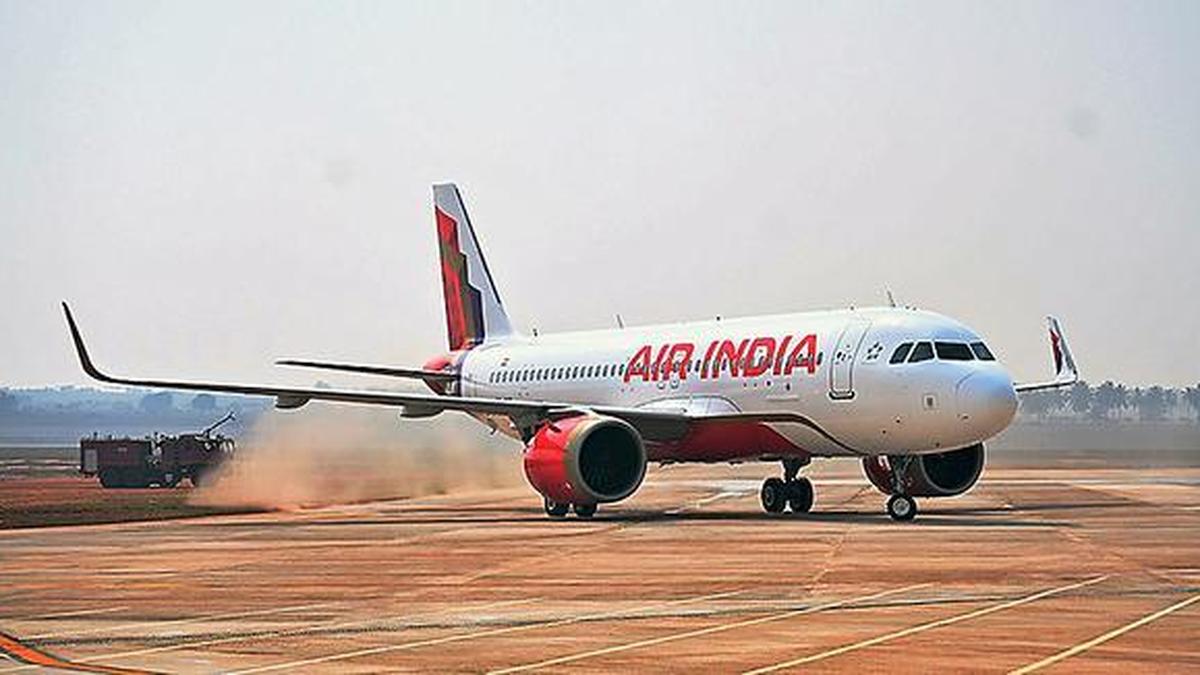
Air India posted a net loss of ₹22,238 crore for FY26, more than doubling its losses from the previous year, as the Tata Group airline struggles to turn profitable after its privatisation. The scale of the loss has forced a significant revision to the recovery timeline, with Tata Sons chairman N Chandrasekaran acknowledging that the turnaround could now take up to a decade, well beyond the original five-year plan.
Air India was acquired by the Tata Group in early 2022 after decades of state ownership left it financially hollowed out. The group launched a sweeping transformation programme called Vihaan.AI, a five-year strategy covering fleet expansion, network growth, cabin upgrades, and service overhaul. The intent was to rebuild Air India into a globally competitive full-service carrier within five years. That timeline is now being stretched to as long as ten years.
Why Losses Are Still Climbing
The more-than-doubling of losses in a single year points to the enormous cost base that comes with a full-scale airline restructuring. Fleet induction, pilot hiring, cabin retrofits, new route launches, and technology investments all carry heavy upfront costs before they generate returns. Airline turnarounds are capital-intensive by nature, and Air India is simultaneously trying to absorb legacy inefficiencies while building new capabilities from scratch.
The airline has been aggressively expanding its fleet, placing some of the largest aircraft orders in Indian aviation history. Bringing new planes into service requires training crews, building maintenance capacity, and filling seats on new routes, all of which burn cash in the early stages. Revenue growth, while likely underway, has not yet offset this structural cost surge.
The extended timeline also reflects the complexity of competing in a market dominated by IndiGo, which controls a commanding domestic share, while also trying to reclaim premium international traffic. Air India is investing in both full-service and low-cost operations through its airline group, which adds management and capital complexity.
What the Tata Sons Dividend Signals
Tata Sons, the holding company at the top of the Tata Group, recommended a final dividend of ₹1,10,717 per share for its own shareholders. That figure is notable because Tata Sons is a closely held entity, so the dividend flows primarily to its major shareholders rather than to public markets. It signals that the broader Tata Group holding company remains financially healthy, even as one of its largest turnaround bets continues to absorb losses.
The contrast matters for understanding the group's capacity to sustain Air India's recovery. Tata Sons has the balance sheet depth and income from other group companies, including TCS, to fund a prolonged airline transformation. Chandrasekaran's revised ten-year horizon is therefore less a distress signal and more a realistic recalibration of how long profitable scale takes to build in aviation.
For India's aviation sector, the revised timeline means Air India will remain a loss-making competitor for several more years. That is likely to keep competitive pressure on pricing, particularly on international routes where Air India is re-establishing its footprint. It also means continued large-scale capital deployment into Indian aviation infrastructure, from ground handling to MRO capacity.
Investors and analysts watching the Tata Group will track whether Air India's revenue trajectory begins to show a credible path to breakeven, even if full profitability is years away. The key metrics to watch include load factors on new international routes, yield improvement as the premium cabin product is upgraded, and whether the airline group's combined low-cost and full-service model starts generating operating leverage.
The revised ten-year window sets a new benchmark for accountability. Chandrasekaran has now publicly anchored the expectation, which means annual loss figures will be measured against whether the airline is on a credible improvement curve, not just against profitability itself.